
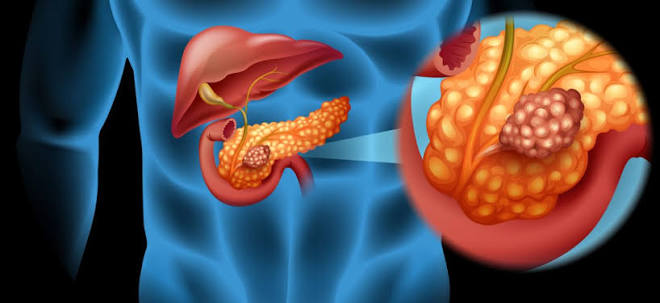
Familial pancreatic cancer is pancreatic cancer that clusters in families. The formal definition is two or more first degree relatives, a parent, sibling or child, with the disease. It accounts for roughly 5 to 10 percent of all pancreatic cancers. The risk climbs with each affected relative, and when the cancers appear at younger ages.
According to Dr. Sandeep Nayak, Surgical Oncologist in India, “Most pancreatic cancer isn’t inherited, but a real fraction is. When two or more close relatives have had it, that pattern matters. It points to a gene running through the family. Identifying those people early lets us watch them properly, and with pancreatic cancer, finding it early is the whole game.”
Have a family history of pancreatic cancer?
What Raises the Risk?
A handful of factors decide how strongly pancreatic cancer runs in a family.
- Number of relatives : One affected relative nudges the risk. Two or more first degree relatives pushes it into genuinely high territory.
- Age at diagnosis : Cancers showing up young hint at a stronger inherited driver than the same cancer late in life.
- The genes : Inherited faults in BRCA2, PALB2, ATM and others carry the risk down generations. BRCA2 is the most common culprit.
- Linked cancers : A family history of breast, ovarian or colorectal cancer can raise pancreatic risk too. The genes overlap.
Knowing the pattern shapes how closely someone is watched, and pancreatic cancer care for high risk families starts long before any symptom appears.
Why Does Identifying It Matter?
Spotting familial risk early changes what’s possible, because this cancer punishes late diagnosis hard.
- Surveillance : High risk people can enter screening programmes, usually MRI or endoscopic ultrasound, to catch changes early.
- The early window : Pancreatic cancer found before it spreads is far more survivable. Surveillance is built around finding that window.
- Genetic testing : Confirming a gene fault tells a whole family who’s at risk and who can be reassured. Clarity for everyone.
- Lifestyle : Smoking multiplies inherited risk sharply. For high risk families, stopping is one of the few levers that genuinely helps.
The reason all this effort matters comes down to pancreatic cancer survival, which shifts dramatically depending on how early the disease is caught.
Why Choose Dr. Sandeep Nayak for Pancreatic Cancer Care?
Dr. Sandeep Nayak is a surgical oncologist with 24 years behind him and a fellowship in laparoscopic and robotic onco-surgery. He treats the full range of pancreatic disease, including robotic Whipple surgery, and works with high risk patients where family history shapes the plan. The approach starts with understanding the family pattern, since a person with inherited risk needs watching, not waiting. That foresight is what catches these cancers in time.
With pancreatic cancer, timing decides almost everything. A tumour found early enough to remove offers a real chance at cure. The same tumour found late rarely does. For families carrying this risk, structured surveillance and an experienced surgical team are what turn an inherited threat into something that can actually be managed.
Frequently Asked Questions
What is familial pancreatic cancer?
It’s pancreatic cancer in families with two or more affected first degree relatives.
Does family history raise pancreatic cancer risk?
Yes. Risk rises with more affected relatives and with cancers appearing at younger ages.
Which genes are linked to it?
BRCA2, BRCA1, PALB2, ATM and a few others are linked to inherited risk.
Can high risk people be screened?
Yes. Surveillance with MRI or endoscopic ultrasound is offered to selected high risk people.
References
- Familial pancreatic cancer surveillance strategy — National Library of Medicine
- Family history and pancreatic cancer risk — National Library of Medicine
Disclaimer: This blog is for informational and educational purposes only and is not a substitute for professional medical advice or diagnosis.
