
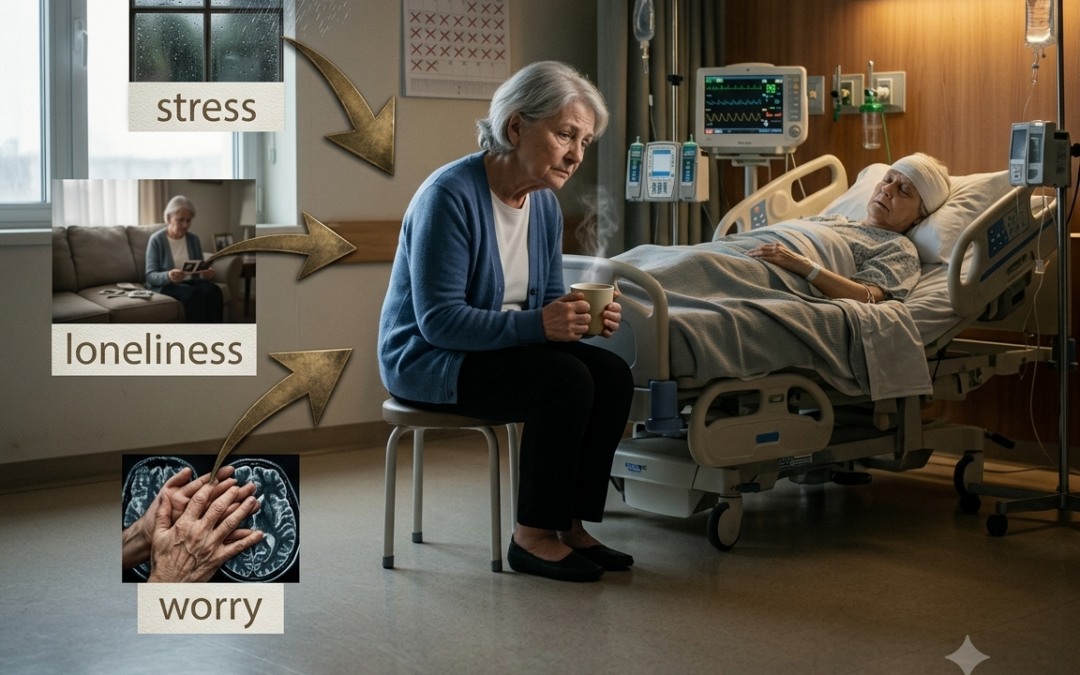
Cancer caregivers can avoid burnout by setting boundaries that actually hold, asking for help from family and friends without guilt attached, taking regular breaks without feeling like you’re abandoning anyone, and genuinely prioritising your own health, sleep, food, and movement, alongside everything you’re doing for someone else.
According to Dr. Sandeep Nayak, surgical oncologist in Bangalore with over 24 years of experience treating solid tumors, “Families often show up entirely focused on the patient, which makes sense, but I’ve watched caregivers run themselves into the ground doing it. A caregiver who’s exhausted and depleted genuinely can’t support anyone well for long. Taking care of yourself isn’t selfish here, it’s actually part of taking care of them.”
Supporting a loved one through cancer and feeling stretched thin?
Why Caregiver Burnout Happens So Easily?
- The role rarely comes with a break, appointments, treatment schedules, and daily care can stretch on for months without a clear end point.
- Guilt often stops caregivers from asking for help, even when family and friends genuinely want to be involved.
- Caregivers frequently put their own health, sleep, meals, exercise, on hold, telling themselves it’s temporary.
- Emotional exhaustion builds quietly, and it’s often only noticed once it’s already significant.
We’ve written about how families can stay close and supportive without added anxiety in Can I Hug My Family Member Going Through Chemo?, worth reading if you’re navigating the everyday, practical side of caregiving right now.
Practical Ways to Actually Protect Yourself?
- Set boundaries early, decide what you can realistically take on and communicate it clearly rather than letting it build up silently.
- Ask for specific help, not vague offers, a friend who says “let me know if you need anything” usually needs an actual task to step in on.
- Build in regular breaks, even short ones, without treating them as something you need to justify or earn.
- Keep your own sleep, meals, and movement as non-negotiable, not the first things to get sacrificed when things get busy.
- Consider counselling or a caregiver support group, this isn’t a sign you’re not coping, it’s a genuinely useful resource.
Why Choose Dr. Sandeep Nayak ?
Dr. Sandeep Nayak has spent more than two decades in surgical oncology, and families navigating the caregiving side of a cancer diagnosis have been part of that work throughout. He currently serves as Chairman of Oncology Services for Karnataka and heads Surgical Oncology and Robotic Surgery at KIMS Hospital, Bangalore. What tends to matter most to families isn’t the title though, it’s that caregivers get seen too, not just the patient, with honest guidance on what’s sustainable and what isn’t. That attention to the whole family is often where things get missed elsewhere.
Supporting someone through cancer and running on empty yourself? You don’t have to manage that alone. Call +91 9482202240 and get someone to actually walk you through it.
Frequently Asked Questions
Is it normal to feel guilty about taking breaks as a caregiver?
Honestly, most caregivers go through this at some point. Doesn’t mean you’re failing at anything, it’s just what this role tends to do to people over time
How do I ask family for help without feeling like a burden?
Try being specific instead of vague. “Can you handle school pickup on Tuesdays” lands very differently than “let me know if you can help,” people actually know what to do with the first one.
What are signs of caregiver burnout to watch for?
Feeling wiped out all the time, snapping at people more than usual, sleep that’s just not working, going numb emotionally, worth paying attention to these instead of brushing them off.
Should I consider a support group even if I'm managing okay?
Sure, why not. It doesn’t have to be a last resort thing, getting that support early can actually help you avoid hitting the point where you’re not managing okay anymore.
References
NCI — Caring for the Caregiver
ACS — Caregiver Resource Guide
Disclaimer: This blog is for informational and educational purposes only and is not a substitute for professional medical advice or diagnosis.
