
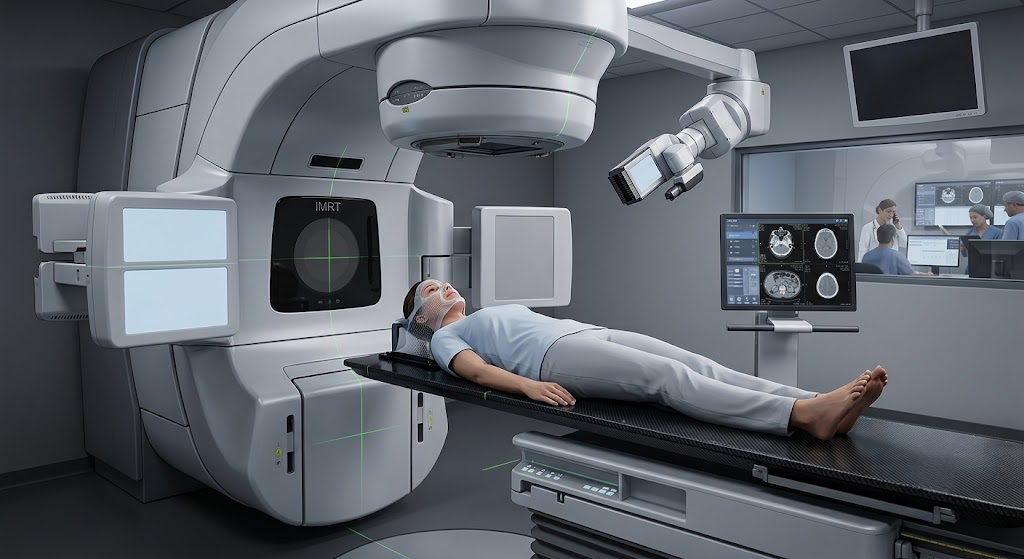
Yes, radiation therapy can sometimes lead to a second cancer later in life, though it’s genuinely rare. Radiation works by damaging the DNA of cancer cells, but healthy cells nearby the treatment area can take some of that damage too. Years down the line, in a small number of cases, that damage can turn into a new, separate cancer, sometimes a solid tumour, sometimes leukaemia.
According to Dr. Sandeep Nayak, surgical oncologist in Bangalore with over 24 years of experience treating solid tumors, “This is a real risk, I won’t pretend otherwise, but it needs to be weighed against what radiation actually does for the cancer sitting in front of us right now. For the vast majority of patients, the benefit of treating the existing cancer massively outweighs a small, long-term risk that may or may not ever materialise decades later.”
Concerned about long-term risks from radiation therapy?
What Actually Raises the Risk?
- Younger age at the time of radiation generally means a longer lifespan ahead for a second cancer to potentially develop, so children and young adults carry somewhat higher lifetime risk than older patients.
- Higher radiation doses and larger treatment areas are associated with greater risk compared to smaller, more targeted doses.
- The specific area treated matters, some tissues are more radiation-sensitive than others.
- Modern techniques, more precisely targeted than older radiation methods, have meaningfully reduced this risk compared to what patients faced decades ago.
We’ve written more about how modern radiation techniques are designed with this exact concern in mind in Understanding Radiation After Robotic Radical Prostatectomy, worth reading if precision and long-term safety are on your mind.
Keeping This Risk in Perspective?
- The absolute risk of a second cancer from radiation is small, most patients who receive radiation never develop one.
- Regular follow-up after treatment is partly designed to catch anything unusual early, whether related to the original cancer or not.
- Not getting needed radiation to avoid a small future risk usually carries far greater risk from the cancer that’s actually being treated right now.
- This conversation is worth having directly with your radiation oncologist before treatment starts, not after, so you understand your specific risk profile.
Why Choose Dr. Sandeep Nayak ?
Dr. Sandeep Nayak has spent more than two decades in surgical oncology, and honest conversations about long-term treatment risk, radiation included, have been part of that work throughout. He currently serves as Chairman of Oncology Services for Karnataka and heads Surgical Oncology and Robotic Surgery at KIMS Hospital, Bangalore. What tends to matter most to patients isn’t the title though, it’s that risks get explained honestly and in proportion, not minimised and not exaggerated either. That straightforward approach is often where things get missed elsewhere.
Frequently Asked Questions
How common is a second cancer caused by radiation?
Genuinely uncommon. It affects a small percentage of patients who receive radiation, and modern techniques have lowered that risk further compared to older approaches.
How many years later can a radiation-related second cancer show up?
Often a decade or more after treatment, which is part of why long-term follow-up care remains important well after active treatment ends.
Does this mean I should avoid radiation therapy?
Not usually, no. For most patients, the benefit of treating the existing cancer significantly outweighs this small, long-term risk.
Can anything reduce this risk if I need radiation?
Modern, precisely targeted radiation techniques already reduce exposure to healthy surrounding tissue compared to older methods, which lowers this risk meaningfully.
References
NCI — Risk Factors: Radiation
ACS — Second Cancers
Disclaimer: This blog is for informational and educational purposes only and is not a substitute for professional medical advice or diagnosis.
