When Is Pain in Cancer a Surgical Emergency?

When Is Pain in Cancer a Surgical Emergency?

Most cancer pain is chronic and managed with medication. But some pain in cancer patients signals something acute and structural. Obstruction, perforation, bleeding, spinal cord compression. These aren’t pain management problems. They’re surgical problems. And the window between symptom onset and irreversible damage can be hours, not days.

According to Prof. Dr. Sandeep Nayak, Surgical Oncologist in India, “Cancer patients and families sometimes wait too long with sudden severe pain because they assume it’s part of the disease. Sometimes it is. But sometimes it’s a perforation or a cord compression that needs an operating theatre or emergency imaging within hours. The rule I give families is simple. If the pain is sudden, severe and different from what’s been there before, go to a surgeon the same day. Don’t manage it at home.”

Sudden severe pain in a cancer patient is not routine. It needs same-day assessment.

What Types of Pain Signal a Surgical Emergency?

Four situations change cancer pain from chronic to urgent.

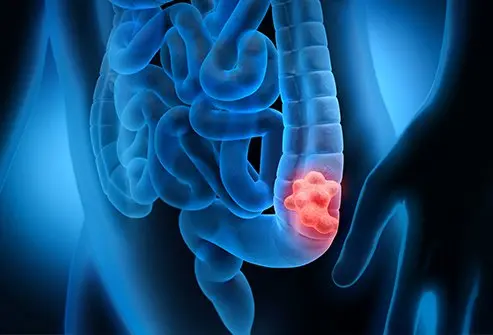
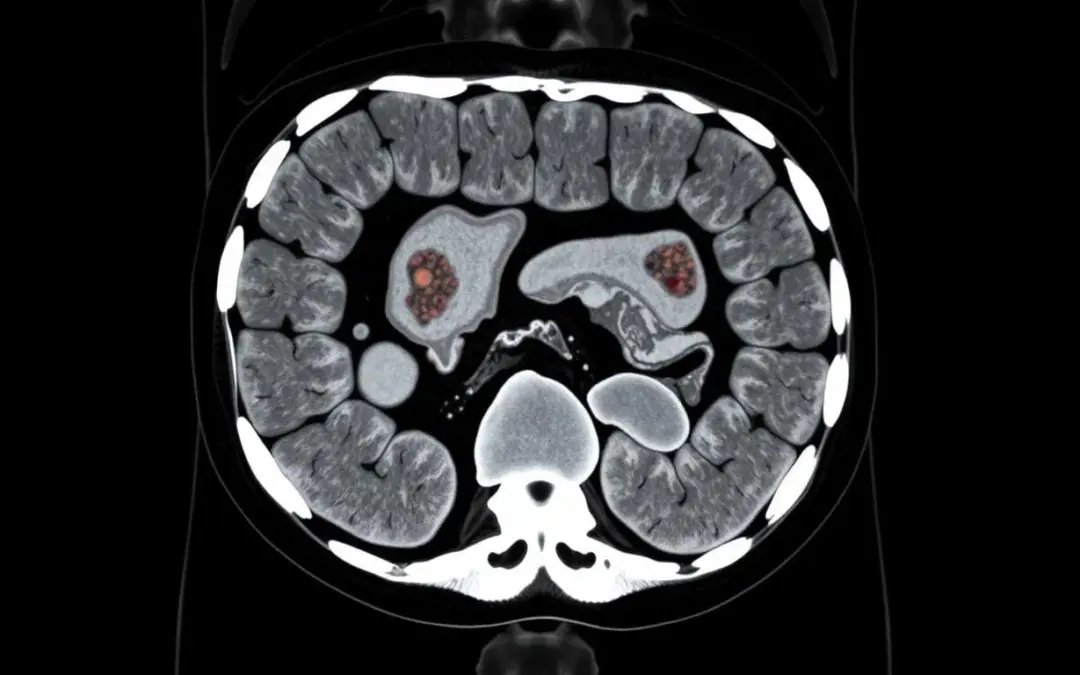
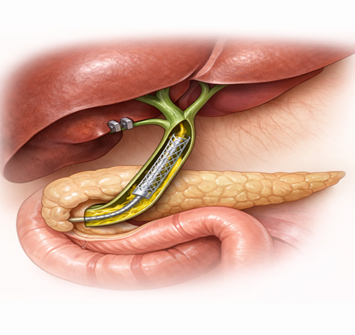
  • Bowel obstruction: Crampy, colicky, worsening abdominal pain with bloating, no bowel movements and vomiting. Colon, ovarian and peritoneal cancers are common causes. If the bowel perforates, it becomes a life-threatening emergency within hours. Go to hospital, not a GP.
  • Perforation: Sudden onset, severe abdominal pain, rigid abdomen, fever. A tumour has eroded through the bowel wall or stomach. Air under the diaphragm on X-ray confirms it. Needs emergency surgery. Minutes matter here.
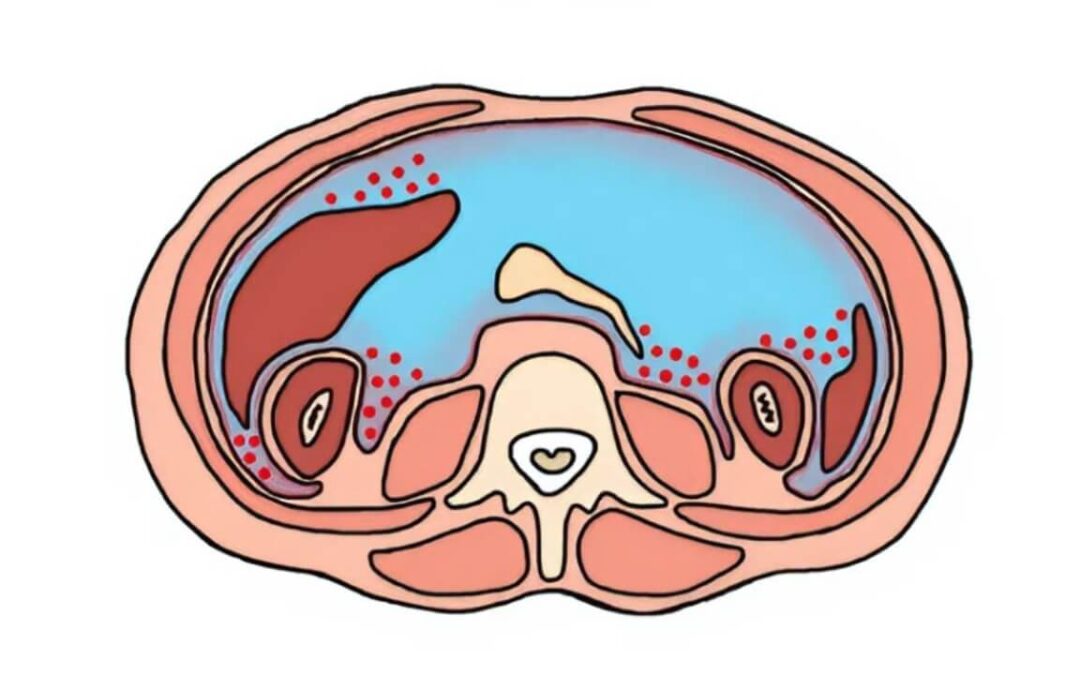
  • Haemorrhage: Sudden severe pain in the abdomen or flank alongside dropping blood pressure, rapid pulse or visible blood in stool or urine. Tumour bleeding can be catastrophic. Stable patients may be embolised. Unstable ones need the operating theatre.
  • Spinal cord compression: Sudden severe back pain with progressive leg weakness, numbness or loss of bladder or bowel control. Bone metastases compressing the spinal cord. Same-day MRI and often emergency surgery or radiation within 24 hours. Every hour of delay reduces the chance of neurological recovery.

For cancer patients who reach emergency surgery, robotic cancer surgery is available for appropriate elective cases but true surgical emergencies are managed with whatever approach gets the patient safe fastest.

What Distinguishes Surgical Emergency Pain From Chronic Cancer Pain?

The distinction is in the character of the pain, not just the intensity.

  • Sudden onset vs gradual: Chronic cancer pain builds over days or weeks. Surgical emergency pain often strikes sharply within minutes. A patient who was comfortable two hours ago and is now writhing needs urgent assessment, not a dose increase.
  • New location or new character: Pain in a familiar site that suddenly shifts character, from dull ache to sharp cramp or constant burning, suggests something structural has changed. Obstruction, bleeding and perforation all change the pain character before the clinical signs appear.
  • Associated features: Fever with abdominal pain. Leg weakness with back pain. Absence of bowel sounds with distension. These combinations move the assessment from pain management into emergency surgery territory immediately.
  • Failure to respond to opioids: Visceral pain from obstruction or perforation often doesn’t respond to typical opioid doses the way chronic cancer pain does. A patient taking regular morphine who reports no relief from additional doses has a warning sign that something acute is happening.

For patients and families wanting to understand how cancer surgery decisions are made generally, our blog on cancer surgery explains the full clinical picture including when urgency applies.

Why Choose Dr. Sandeep Nayak for Cancer Surgical Emergencies?

Dr. Sandeep Nayak has spent 24 years in surgical oncology. He holds DNB qualifications in Surgical Oncology and General Surgery, plus a fellowship in Laparoscopic and Robotic Onco Surgery. He manages surgical emergencies in cancer patients including bowel obstruction, perforation, haemorrhage and post-operative complications, working with the emergency and ICU teams at KIMS Hospital to stabilise and operate when the clinical picture demands it.

What makes surgical emergencies in cancer patients different from standard emergencies is the background disease. Getting it right requires a surgeon who understands both the oncological context and the acute presentation, not just one or the other. Call +91 8104310753 to book your consultation.

Frequently Asked Questions

When is cancer pain a surgical emergency?

When it signals obstruction, perforation, bleeding or spinal cord compression.

What does bowel obstruction pain feel like in cancer?

Crampy, colicky, worsening pain with bloating and no bowel movements.

Is back pain in cancer ever an emergency?

Yes, sudden severe back pain with leg weakness needs same day imaging.

Should cancer patients go to emergency for sudden severe pain?

Yes, sudden severe pain in a cancer patient always warrants urgent assessment.

Disclaimer: This blog is for informational purposes only and is not a substitute for professional medical advice.

Is Appendix Cancer Different From Colon Cancer?

Is Appendix Cancer Different From Colon Cancer?

The appendix sits next to the colon, but cancer arising there is a different disease entirely. Different cell types, different spread pattern, different staging system, different treatment. Most appendix cancers are slow-growing mucin-producing tumours. Colon cancer is overwhelmingly adenocarcinoma. Treating one like the other is a clinical mistake with real consequences.

According to Prof. Dr. Sandeep Nayak, Surgical Oncologist in India, “Patients come in having been told it’s just colon cancer in the appendix. It isn’t. The biology is different, the staging is different, and the treatment is completely different. Appendix cancer with peritoneal spread needs cytoreductive surgery and HIPEC, not standard colorectal chemotherapy. Getting that distinction right at the start is the difference between a potentially curative operation and the wrong treatment entirely.”

Appendix cancer needs a specialist who knows the difference. Colon cancer protocols don’t apply.

How Is Appendix Cancer Clinically Different From Colon Cancer?

Four things set them apart. At every level.

  • Different tumour types: Most appendix cancers are low-grade mucinous neoplasms, goblet cell carcinoids or well-differentiated neuroendocrine tumours. Colon cancer is almost always adenocarcinoma from the colonic lining. Different cell origin. Different biological behaviour. Different prognosis.
  • Different spread pattern: Colon cancer travels through lymphatics and blood to reach the liver and lungs. Appendix cancer, when it ruptures, seeds mucin directly across the peritoneal surfaces. That’s pseudomyxoma peritonei. It coats the abdomen rather than travelling to distant organs via the bloodstream.
  • Different staging approach: Colon cancer uses TNM staging based on depth of invasion and nodal spread. Appendix cancer with peritoneal involvement uses the Peritoneal Cancer Index to measure the extent of abdominal surface disease. Entirely different system, entirely different criteria for what’s resectable.
  • Different systemic chemotherapy response: FOLFOX and FOLFIRI, standard colorectal regimens, have very limited activity in low-grade appendiceal mucinous tumours. The biology doesn’t respond the same way. Applying colon cancer chemotherapy to appendix cancer produces poor results because the target is wrong.

For patients whose appendix cancer requires surgical removal as part of their treatment plan, robotic cancer surgery provides minimally invasive right hemicolectomy with precision and faster recovery than open approaches.

How Is Appendix Cancer Treated Differently?

The treatment is specific to how this cancer spreads. Not interchangeable with colon cancer.

  • Right hemicolectomy for localised disease: Cancer confined to the appendix without peritoneal seeding. Remove the appendix and the right colon together. No HIPEC needed at this stage. Surveillance follows.
  • CRS and HIPEC for peritoneal spread: When appendix cancer has seeded the peritoneal surfaces, cytoreductive surgery removes all visible disease across the abdomen. Heated intraperitoneal chemotherapy follows immediately in the same operation. Not palliative. For selected patients it’s potentially curative.
  • Pseudomyxoma peritonei: A ruptured appendix tumour has released mucin throughout the abdomen. Managed with CRS and HIPEC at experienced centres. Five-year survival above 50 percent in published series. Not a death sentence if the right team is involved.
  • Watch and wait for very early LAMN: Low-grade appendiceal mucinous neoplasm, no rupture, no peritoneal involvement, confined to the appendix wall. Appendicectomy alone may be sufficient. Close surveillance required afterwards.

For patients who want to understand what HIPEC involves and what survival outcomes look like for appendix cancer specifically, our blog on HIPEC surgery covers it in detail.

Why Choose Dr. Sandeep Nayak for Appendix Cancer Treatment?

Dr. Sandeep Nayak has spent 24 years in surgical oncology. He holds DNB qualifications in Surgical Oncology and General Surgery, plus a fellowship in Laparoscopic and Robotic Onco Surgery. He performs CRS and HIPEC for appendix cancer with peritoneal spread, right hemicolectomy for localised disease, and presents every appendix cancer case to the tumour board so the plan reflects the actual biology of the tumour, not a default colon cancer protocol.

The difference between being treated as a colon cancer patient and being treated as an appendix cancer patient with peritoneal disease is the difference between the wrong chemotherapy and a potentially curative operation. That distinction is what MACS Clinic exists to make. Call +91 8104310753 to book your consultation.

Frequently Asked Questions

Is appendix cancer the same as colon cancer?

No, appendix cancer is a separate disease with different tumour types and spread.

How does appendix cancer spread differently?

It spreads to the peritoneal lining rather than lymph nodes or bloodstream first.

What is pseudomyxoma peritonei?

A jelly-like spread of mucin across the abdomen from a ruptured appendix tumour.

Is HIPEC used for appendix cancer?

Yes, CRS and HIPEC is the standard treatment for appendix cancer with peritoneal spread.

Disclaimer: This blog is for informational purposes only and is not a substitute for professional medical advice.

Can Uterine Cancer Be Treated Without Removing the Uterus?

Can Uterine Cancer Be Treated Without Removing the Uterus?

In a narrow but clearly defined group of patients, yes. Very early, low-grade uterine cancer in young women who want to preserve fertility can be managed with hormonal therapy rather than surgery. The criteria are strict. Outside them, hysterectomy remains the standard treatment.

According to Prof. Dr. Sandeep Nayak, Surgical Oncologist in India, “Uterine preservation in endometrial cancer is not a compromise. For the right patient, grade 1 stage IA disease with no myometrial invasion, hormonal therapy has published response rates above 70 percent and pregnancy outcomes that are genuinely encouraging. But patient selection is everything. This is not a route for any uterine cancer patient who wants to avoid surgery. The tumour board has to confirm the case fits the criteria before we consider it.”

Uterine preservation is possible for some. Stage, grade and fertility goals all decide it.

When Can the Uterus Be Preserved?

Strict criteria apply. All four need to be met.

  • Grade 1 endometrioid adenocarcinoma only: The most common and least aggressive subtype. High-grade histology, serous, clear cell or carcinosarcoma, are not candidates. Those need surgery without exception.
  • Stage IA, no myometrial invasion: Cancer confined to the endometrium, not grown into the uterine muscle wall. MRI confirms this. Any myometrial invasion, even superficial, puts the patient outside preservation criteria.
  • Strong desire to preserve fertility: Uterine preservation is a fertility-sparing decision, not a convenience one. Patients who have completed their family are offered hysterectomy, which remains the most reliable cure with the lowest recurrence risk.
  • Willingness for intensive surveillance: Hormonal therapy requires hysteroscopy and biopsy every 3 to 6 months to confirm response. No response within 6 months means surgery. Patients must commit to this schedule fully.

For patients who proceed to minimally invasive robotic hysterectomy after hormonal therapy fails or at any stage of uterine cancer, robotic cancer surgery delivers precise pelvic surgery with faster recovery than open approaches.

When Is Hysterectomy the Necessary Treatment?

Most uterine cancer patients fall here. The indications are clear.

  • Stage IB and above: Cancer has grown into the myometrium or beyond. Hormonal therapy cannot reach or control disease that has invaded the muscle wall or spread further. Surgery is the only curative option.
  • High-grade histology: Grade 2, grade 3, serous, clear cell or carcinosarcoma subtypes. Aggressive biology. Hormonal therapy has no meaningful role. Robotic radical hysterectomy with lymph node dissection is the standard approach.
  • Failed hormonal therapy: No complete response confirmed on biopsy by 6 months. Continuing hormonal therapy beyond this risks allowing disease to progress. Hysterectomy is offered without further delay.
  • Completed family or no fertility wish: For women who don’t need fertility preservation, hysterectomy removes the cancer and eliminates the risk of recurrence in the remaining uterus. The safest path when fertility isn’t the goal.

For patients who want to understand what uterine cancer curability means across stages and treatment types, our blog on uterine cancer curable explains the full picture.

Why Choose Dr. Sandeep Nayak for Uterine Cancer Treatment?

Dr. Sandeep Nayak has spent 24 years in surgical oncology. He holds DNB qualifications in Surgical Oncology and General Surgery, plus a fellowship in Laparoscopic and Robotic Onco Surgery. He performs robotic radical hysterectomy with lymph node dissection for uterine cancer, evaluates every eligible young patient for hormonal preservation at the tumour board, and ensures fertility goals are part of the treatment conversation from the very first consultation.

That fertility-first discussion at diagnosis, not as an afterthought once the surgical plan is already set, is what gives young women with uterine cancer a real choice rather than a decision made for them. Call +91 8104310753 to book your consultation.

Frequently Asked Questions

Can uterine cancer be treated without removing the uterus?

Yes, in very early low-grade cases hormonal therapy can preserve the uterus.

Who qualifies for uterine preservation in endometrial cancer?

Young women with grade 1 stage IA endometrioid cancer wanting to preserve fertility.

What hormone is used to treat early uterine cancer?

Progestins like medroxyprogesterone acetate or levonorgestrel intrauterine device.

When is hysterectomy unavoidable in uterine cancer?

Stage IB and above, high-grade histology or failure to respond to hormonal therapy.

Disclaimer: This blog is for informational purposes only and is not a substitute for professional medical advice.

 Is Bladder Preservation Possible in Bladder Cancer?

 Is Bladder Preservation Possible in Bladder Cancer?

Bladder preservation is possible in bladder cancer, and for the majority of patients it’s the standard path. Around 75 percent of diagnoses are non-muscle invasive. The tumour hasn’t reached the bladder muscle. Those cases are almost always managed without removing the bladder. Even muscle invasive disease has a preservation route, chemoradiation combined with initial surgery, that delivers comparable outcomes to cystectomy in the right patients.

According to Prof. Dr. Sandeep Nayak, Surgical Oncologist in India, “Bladder removal is not the automatic answer for every muscle invasive bladder cancer. Trimodal therapy, TURBT followed by concurrent chemoradiation, has published outcomes comparable to cystectomy in the right patient. The decision rests on tumour characteristics, bladder function, patient fitness, and whether the cancer responds to the initial resection. The tumour board makes that call with all four factors on the table.”

Losing the bladder is not inevitable. Stage and response decide what’s actually possible.

When Can the Bladder Be Preserved?

Three situations support bladder preservation. Each has clear criteria.

  • Non-muscle invasive bladder cancer: Stages Ta, T1 and carcinoma in situ. The tumour hasn’t grown into the bladder muscle. TURBT removes it endoscopically. No open surgery, no cystectomy. Intravesical BCG or chemotherapy follows to reduce the chance of it coming back.
  • Trimodal therapy for muscle invasive: TURBT removes as much visible tumour as possible. Concurrent chemoradiation follows. Works best in single tumours, no hydronephrosis, complete or near-complete initial resection and a bladder that still functions well.
  • Partial cystectomy in rare cases: A small number of patients with a single accessible tumour and adequate remaining bladder capacity can have just that segment removed. Strict patient selection. Not the majority.
  • Response-guided approach: Some centres restage with cystoscopy and biopsy after initial treatment. Complete responders are followed closely. Salvage cystectomy is available if disease persists or returns.

For patients whose bladder cancer requires robotic surgery whether TURBT, partial or radical cystectomy, robotic cancer surgery brings precision and faster recovery compared to open approaches.

When Is Cystectomy the Necessary Option?

Some situations make bladder removal the safest clinical choice.

  • Muscle invasive, not trimodal-eligible: Multifocal tumours, hydronephrosis, incomplete initial TURBT, or poor bladder function. These features make chemoradiation unlikely to achieve durable control. Radical cystectomy is the standard.
  • No response to chemoradiation: If restaging after trimodal therapy shows residual or recurrent muscle invasive disease, salvage cystectomy becomes necessary. Continuing bladder preservation after a failed response adds risk without benefit.
  • High-grade recurrent non-muscle invasive: Multiple BCG failures with high-grade recurrent disease or progression toward muscle invasion. The bladder is no longer responding to bladder-sparing treatment. Cystectomy earlier is better than cystectomy later.
  • Extensive or locally advanced disease: T4 tumours involving adjacent organs, or disease where the bladder itself is structurally compromised. Preservation is no longer functionally or oncologically sound.

For patients at the earliest stage where preservation is most achievable, our blog on bladder cancer warning signs explains what early symptoms look like and why they matter so much.

Why Choose Dr. Sandeep Nayak for Bladder Cancer Treatment?

Dr. Sandeep Nayak has spent 24 years in surgical oncology. He holds DNB qualifications in Surgical Oncology and General Surgery, plus a fellowship in Laparoscopic and Robotic Onco Surgery. He performs robotic TURBT, robotic partial cystectomy and robotic radical cystectomy for bladder cancer, evaluates every muscle invasive case for trimodal therapy eligibility at the tumour board, and ensures bladder preservation is considered before cystectomy is recommended.

That preservation-first conversation at the first consultation, rather than defaulting to cystectomy as the path of least resistance, is what gives bladder cancer patients a complete picture of their options before any decision is made. Call +91 8104310753 to book your consultation.

Frequently Asked Questions

Is bladder preservation possible in bladder cancer?

Yes, for non-muscle invasive and selected muscle invasive cases.

What is trimodal therapy for bladder cancer?

TURBT followed by concurrent chemotherapy and radiation without cystectomy.

When is cystectomy unavoidable in bladder cancer?

Muscle invasive disease not responding to or unsuitable for trimodal therapy.

Does bladder preservation affect survival?

In selected patients outcomes are comparable to cystectomy in published studies.

Disclaimer: This blog is for informational purposes only and is not a substitute for professional medical advice.

Can Lung Cancer Be Removed Robotically in India?

Can Lung Cancer Be Removed Robotically in India?

Robotic lung cancer surgery is available in India. Not everywhere, but at select surgical oncology centres that have invested in the platform and the surgical volume to use it properly. The procedure is called RATS, Robotic-Assisted Thoracoscopic Surgery. Small port incisions in the chest wall. No rib spreading. No large open cut. Stage I and II non-small cell lung cancer is where it works best, provided lung function holds up and the tumour sits in an accessible location.

According to Prof. Dr. Sandeep Nayak, Surgical Oncologist in India, “Robotic and VATS approaches have replaced open thoracotomy as the standard for operable early-stage lung cancer at high-volume centres. The chest is a space where robotic instruments genuinely outperform human hands in terms of reach and precision. Patients who qualify for robotic lung surgery avoid the rib spreading of open surgery. That’s the main driver of pain and the prolonged recovery that used to come with chest operations.”

If your lung cancer is operable, robotic surgery is worth understanding before you decide.

Who Qualifies for Robotic Lung Cancer Surgery?

Not every lung cancer patient fits. Several factors decide it.

  • Stage I or II non-small cell lung cancer: Early stage disease, confined to the lung or with limited lymph node involvement. Robotic surgery is used with curative intent here. Stage III or IV with widespread spread needs systemic treatment first, surgery comes later if at all.
  • Adequate lung function: Pulmonary function tests, FEV1 and DLCO specifically, confirm the patient can tolerate losing a lobe. The remaining lung has to handle the full load afterwards.
  • Accessible tumour location: Peripheral tumours in the outer lung zones are the cleanest robotic candidates. Central tumours near major vessels or the main airway may need open surgery for safety.
  • No prior major chest surgery: Previous thoracotomy, thick pleural adhesions or significant scarring make port placement risky. Working space collapses. These cases often go open from the start or convert mid-procedure.

For patients whose lung cancer workup leads to a surgical decision, robotic cancer surgery covers all thoracic cancer types including lung, oesophageal and mediastinal tumours.

What Happens During and After Robotic Lung Surgery?

The operation and recovery look very different from open chest surgery.

  • The procedure: Three to four small port incisions. Robotic arms go in. No rib spreading at any point. The affected lobe, segment or wedge is removed with complete lymph node dissection. Two to four hours in theatre depending on how much lung comes out.
  • Discharge timeline: Most robotic lobectomy patients go home in 3 to 5 days. Open thoracotomy? Seven to ten. The gap is directly explained by the absence of rib spreading and the smaller wounds.
  • Pain and function: Significantly less post-operative pain. Oral analgesia within 24 to 48 hours for most patients. Shoulder and arm movement returns faster because the chest wall muscles aren’t divided the way open surgery requires.
  • Oncological outcomes: Lymph node clearance, resection margins, long-term survival. All equivalent to open surgery for the same stages. The advantage is in recovery. Not in cancer control. That’s the honest comparison.

For patients weighing robotic against open surgery for lung cancer or other cancers, our blog on open vs robotic surgery walks through the evidence side by side.

Why Choose Dr. Sandeep Nayak for Lung Cancer Surgery?

Dr. Sandeep Nayak has spent 24 years in surgical oncology. He holds DNB qualifications in Surgical Oncology and General Surgery, plus a fellowship in Laparoscopic and Robotic Onco Surgery. He performs VATS and RATS lobectomy, segmentectomy and wedge resection for lung cancer with full mediastinal lymph node dissection integrated into each operation, and has built robotic thoracic surgery into routine practice rather than treating it as an occasional procedure.

Surgical volume in robotic thoracic surgery matters more than in most specialties. The learning curve is steep and the chest leaves little room for error. Patients who choose a surgeon doing this at real volume get a different operation from one done occasionally. Call +91 8104310753 to book your consultation.

Frequently Asked Questions

Can lung cancer be removed robotically in India?

Yes, robotic RATS lobectomy is available at select centres in India.

Who is eligible for robotic lung cancer surgery?

Stage I or II NSCLC with good lung function and accessible tumour location.

What is RATS in lung cancer surgery?

Robotic-assisted thoracoscopic surgery using small chest ports and no rib spreading.

Is recovery faster with robotic lung surgery?

Yes, most patients discharge in 3 to 5 days versus 7 to 10 open.

Disclaimer: This blog is for informational purposes only and is not a substitute for professional medical advice.

Call Now Button