
support@macsclinic.com
+91 9482202240
Can Lung Cancer Be Removed Robotically in India?

Can Lung Cancer Be Removed Robotically in India?

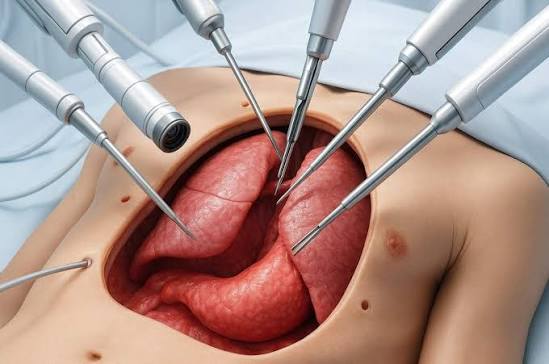
Robotic lung cancer surgery is available in India. Not everywhere, but at select surgical oncology centres that have invested in the platform and the surgical volume to use it properly. The procedure is called RATS, Robotic-Assisted Thoracoscopic Surgery. Small port incisions in the chest wall. No rib spreading. No large open cut. Stage I and II non-small cell lung cancer is where it works best, provided lung function holds up and the tumour sits in an accessible location.

According to Prof. Dr. Sandeep Nayak, Surgical Oncologist in India, “Robotic and VATS approaches have replaced open thoracotomy as the standard for operable early-stage lung cancer at high-volume centres. The chest is a space where robotic instruments genuinely outperform human hands in terms of reach and precision. Patients who qualify for robotic lung surgery avoid the rib spreading of open surgery. That’s the main driver of pain and the prolonged recovery that used to come with chest operations.”

If your lung cancer is operable, robotic surgery is worth understanding before you decide.

Who Qualifies for Robotic Lung Cancer Surgery?

Not every lung cancer patient fits. Several factors decide it.

  • Stage I or II non-small cell lung cancer: Early stage disease, confined to the lung or with limited lymph node involvement. Robotic surgery is used with curative intent here. Stage III or IV with widespread spread needs systemic treatment first, surgery comes later if at all.
  • Adequate lung function: Pulmonary function tests, FEV1 and DLCO specifically, confirm the patient can tolerate losing a lobe. The remaining lung has to handle the full load afterwards.
  • Accessible tumour location: Peripheral tumours in the outer lung zones are the cleanest robotic candidates. Central tumours near major vessels or the main airway may need open surgery for safety.
  • No prior major chest surgery: Previous thoracotomy, thick pleural adhesions or significant scarring make port placement risky. Working space collapses. These cases often go open from the start or convert mid-procedure.

For patients whose lung cancer workup leads to a surgical decision, robotic cancer surgery covers all thoracic cancer types including lung, oesophageal and mediastinal tumours.

What Happens During and After Robotic Lung Surgery?

The operation and recovery look very different from open chest surgery.

  • The procedure: Three to four small port incisions. Robotic arms go in. No rib spreading at any point. The affected lobe, segment or wedge is removed with complete lymph node dissection. Two to four hours in theatre depending on how much lung comes out.
  • Discharge timeline: Most robotic lobectomy patients go home in 3 to 5 days. Open thoracotomy? Seven to ten. The gap is directly explained by the absence of rib spreading and the smaller wounds.
  • Pain and function: Significantly less post-operative pain. Oral analgesia within 24 to 48 hours for most patients. Shoulder and arm movement returns faster because the chest wall muscles aren’t divided the way open surgery requires.
  • Oncological outcomes: Lymph node clearance, resection margins, long-term survival. All equivalent to open surgery for the same stages. The advantage is in recovery. Not in cancer control. That’s the honest comparison.

For patients weighing robotic against open surgery for lung cancer or other cancers, our blog on open vs robotic surgery walks through the evidence side by side.

Why Choose Dr. Sandeep Nayak for Lung Cancer Surgery?

Dr. Sandeep Nayak has spent 24 years in surgical oncology. He holds DNB qualifications in Surgical Oncology and General Surgery, plus a fellowship in Laparoscopic and Robotic Onco Surgery. He performs VATS and RATS lobectomy, segmentectomy and wedge resection for lung cancer with full mediastinal lymph node dissection integrated into each operation, and has built robotic thoracic surgery into routine practice rather than treating it as an occasional procedure.

Surgical volume in robotic thoracic surgery matters more than in most specialties. The learning curve is steep and the chest leaves little room for error. Patients who choose a surgeon doing this at real volume get a different operation from one done occasionally. Call +91 8104310753 to book your consultation.

Frequently Asked Questions

Can lung cancer be removed robotically in India?

Yes, robotic RATS lobectomy is available at select centres in India.

Who is eligible for robotic lung cancer surgery?

Stage I or II NSCLC with good lung function and accessible tumour location.

What is RATS in lung cancer surgery?

Robotic-assisted thoracoscopic surgery using small chest ports and no rib spreading.

Is recovery faster with robotic lung surgery?

Yes, most patients discharge in 3 to 5 days versus 7 to 10 open.

Disclaimer: This blog is for informational purposes only and is not a substitute for professional medical advice.

Thyroid Cancer Surgery: Total vs Partial Thyroidectomy?

Thyroid Cancer Surgery: Total vs Partial Thyroidectomy?

Total thyroidectomy removes the entire thyroid gland. Partial, also called hemithyroidectomy or thyroid lobectomy, removes one lobe and leaves the other. For most thyroid cancers, total thyroidectomy is the standard. Partial is acceptable for small, low-risk papillary cancers under 1 cm confined to one lobe with no lymph node involvement. The decision comes down to tumour size, type, stage, and whether radioiodine is needed afterwards.

According to Prof. Dr. Sandeep Nayak, Surgical Oncologist in India, “Total thyroidectomy is the standard for most thyroid cancers because it allows radioiodine to be used afterwards and removes any bilateral disease that imaging might have missed. Partial thyroidectomy works for carefully selected low-risk cases, but the criteria are strict. A patient who looks like a partial case on ultrasound sometimes turns out to need total once the pathology comes back, and then a second operation becomes the only option.”

The wrong surgical choice today can mean a second operation tomorrow.

When Is Total Thyroidectomy Recommended?

Most thyroid cancer patients fall into this category.

  • Tumours over 1 cm: The ATA guidelines recommend total thyroidectomy for papillary thyroid cancer over 1 cm. Larger tumours have higher recurrence risk and benefit from complete gland removal and radioiodine.
  • Bilateral or multifocal disease: Papillary thyroid cancer is commonly multifocal. Leaving one lobe in place when disease may be present bilaterally increases recurrence risk sharply.
  • Aggressive histology: Follicular cancer, Hurthle cell cancer, medullary thyroid cancer, poorly differentiated or anaplastic thyroid cancer. All of these need total thyroidectomy without exception.
  • Radioiodine needed post-operatively: When radioiodine ablation or treatment is part of the plan, the entire gland must be gone first. Partial thyroidectomy makes radioiodine ineffective because the normal remaining lobe absorbs it all.

For patients choosing scarless thyroid surgery, robotic cancer surgery includes the RABIT technique, a robotic-assisted scarless thyroidectomy performed through the axilla with no incision on the neck.

Total vs Partial Thyroidectomy: Side by Side

Feature

Total Thyroidectomy

Partial Thyroidectomy

Gland removed

Entire thyroid gland

One lobe, other stays

Lifelong medication

Yes, levothyroxine daily

Often not required

Radioiodine possible

Yes

No

Second surgery risk

Lower

Higher if cancer recurs or spreads

Best for

Most thyroid cancers

Small low-risk papillary only

  • Medication trade-off: Total thyroidectomy means lifelong levothyroxine. One tablet a day. For most patients it’s well tolerated. Partial avoids this but only if the remaining lobe functions normally, which isn’t guaranteed.
  • Recurrence monitoring: After total thyroidectomy, thyroglobulin becomes a precise tumour marker. Any detectable thyroglobulin means cancer is back. This clean marker doesn’t exist after partial.
  • Second surgery reality: If a partial case turns out to need total, the second operation in a previously operated neck carries significantly higher complication risk. Recurrent laryngeal nerve and parathyroid injury rates rise sharply on re-operation.
  • Partial for the right patient: Papillary microcarcinoma under 1 cm, single lobe, no lymph node involvement, low-risk histology, patient fully informed. This narrow group genuinely does well with lobectomy alone.

For a full picture of how thyroid cancer surgery achieves cure and what happens to surveillance afterwards, our blog on thyroid cancer surgery walks through the complete picture.

Why Choose Dr. Sandeep Nayak for Thyroid Cancer Surgery?

Dr. Sandeep Nayak has spent 24 years in surgical oncology. He holds DNB qualifications in Surgical Oncology and General Surgery, plus a fellowship in Laparoscopic and Robotic Onco Surgery. He performs total thyroidectomy, completion thyroidectomy, thyroid lobectomy and RABIT at high volume, invented the RABIT scarless robotic thyroidectomy technique himself, and integrates neck dissection into the primary surgical plan for every case where staging and pathology indicate it.

That surgical volume matters in thyroid cancer more than most cancers. The decision between total and partial thyroidectomy looks simple on paper. In the operating room, it depends on what the surgeon actually finds, and a surgeon who has done thousands of thyroid operations reads those intraoperative signals differently from one who does them occasionally. Call +91 8104310753 to book your consultation.

Frequently Asked Questions

What is the difference between total and partial thyroidectomy?

Total removes the whole gland, partial removes one lobe only.

When is partial thyroidectomy enough for thyroid cancer?

Small low-risk papillary cancers under 1 cm confined to one lobe.

Does total thyroidectomy mean lifelong medication?

Yes, daily levothyroxine is needed permanently after total thyroidectomy.

What is RABIT in thyroid surgery?

Scarless robotic thyroidectomy done through the armpit with no neck incision.

Disclaimer: This blog is for informational purposes only and is not a substitute for professional medical advice.
 Is Cervical Cancer Treatable Without Hysterectomy?

 Is Cervical Cancer Treatable Without Hysterectomy?

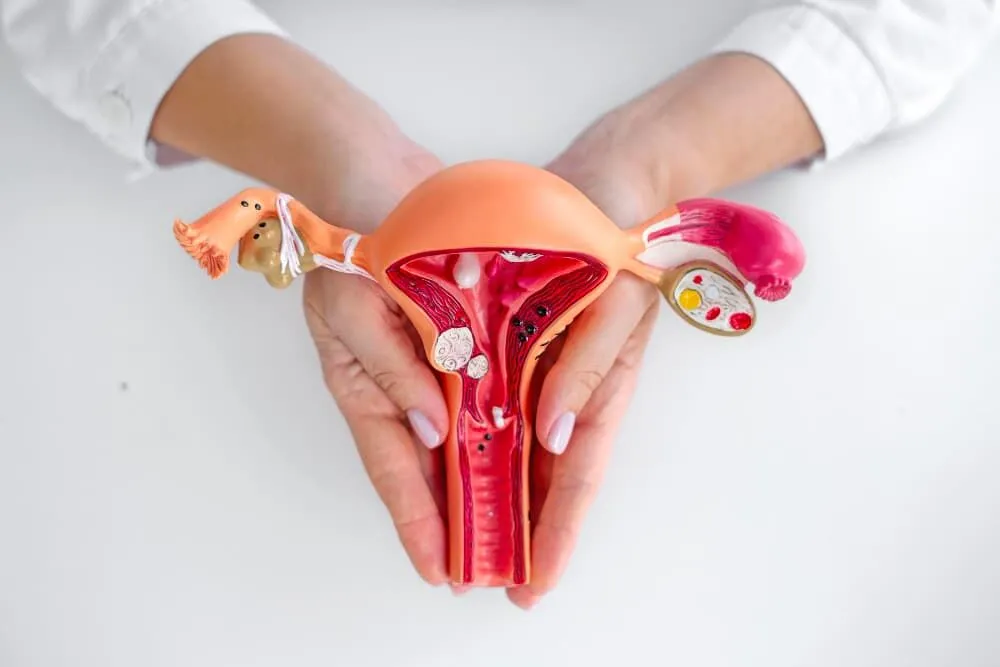
Early stage cervical cancer can often be treated without removing the uterus. For very early disease, conisation or cone biopsy removes the cancerous tissue while the uterus stays completely intact. For slightly larger early tumours in women who want to preserve fertility, trachelectomy removes only the cervix while leaving the uterus in place. For locally advanced disease that doesn’t need surgery, chemoradiation is the standard treatment and the uterus isn’t removed at all. Hysterectomy becomes the standard option from stage IB2 upward or when the tumour exceeds certain size thresholds.

According to Prof. Dr. Sandeep Nayak, Surgical Oncologist in India, “The first question many young women ask after a cervical cancer diagnosis is whether they’ll lose their uterus. For a significant number of them, the honest answer is no. Stage, tumour size, lymph node status and fertility wishes all go into that discussion. It’s not a yes or no question at diagnosis. It’s a conversation the tumour board has with each patient’s specific pathology in front of them.”

 A cervical cancer diagnosis doesn’t automatically mean a hysterectomy. Stage decides everything.

When Can Hysterectomy Be Avoided in Cervical Cancer?

Stage and tumour size determine which options are on the table.

  • Conisation for stage IA1: Very early superficial cancer confined to the cervix. A cone-shaped piece of cervical tissue is removed. Uterus stays. Pregnancy remains possible. Cure rates above 95 percent for this stage.
  • Trachelectomy for stage IA2 to IB1: Removes the cervix, upper vagina and surrounding tissue while the uterus stays in place. For tumours under 2 cm in carefully selected patients. Fertility preserved. Second trimester pregnancy risk needs cervical cerclage.
  • Chemoradiation for locally advanced disease: From stage IB3 onward, concurrent cisplatin-based chemotherapy with radiation replaces surgery as the primary treatment. The uterus isn’t removed. Ovarian function may be affected but the uterus remains.
  • Simple hysterectomy for low-risk early disease: A 2024 NEJM trial confirmed simple hysterectomy equals radical hysterectomy in recurrence outcomes for low-risk stage IB1 tumours under 2 cm. Less tissue removed, fewer side effects, same cure rate.

For patients undergoing robotic-assisted radical trachelectomy or radical hysterectomy where minimally invasive surgery is indicated, robotic cancer surgery brings nerve-sparing precision and significantly faster recovery than open surgery.

When Is Hysterectomy the Standard and Non-Negotiable Treatment?

Some situations make hysterectomy the safest and most appropriate path.

  • Tumours over 2 cm at stage IB2: Larger tumours have a higher risk of parametrial spread and lymph node involvement. Radical hysterectomy with pelvic lymph node dissection is the standard surgical approach here.
  • Completed family, no fertility concern: For women who have completed childbearing, radical hysterectomy offers definitive treatment and removes the risk of future cervical cancer in the remaining uterus.
  • Radiation-resistant or recurrent disease: When cervical cancer recurs after primary chemoradiation, pelvic exenteration or radical hysterectomy may be the only curative surgical option left.
  • Advanced local disease requiring surgery: Stage IVA disease involving the bladder or rectum may need exenteration surgery. The uterus is removed as part of a wider resection.

For more on how HPV vaccination prevents the cervical cancer that makes these decisions necessary in the first place, our blog on HPV vaccine cervical cancer covers the prevention picture in full.

Why Choose Dr. Sandeep Nayak for Cervical Cancer Treatment?

Dr. Sandeep Nayak has spent 24 years in surgical oncology. He holds DNB qualifications in Surgical Oncology and General Surgery, plus a fellowship in Laparoscopic and Robotic Onco Surgery. He performs robotic-assisted radical hysterectomy, radical trachelectomy, and fertility-sparing cervical surgery using minimally invasive techniques, and presents every cervical cancer case to the tumour board so the fertility conversation happens before any treatment decision is finalised.

That fertility-first discussion at the first consultation, not as an afterthought after the surgical plan is already set, is what gives young women with cervical cancer a realistic picture of what their options actually are. Call +91 8104310753 to book your consultation.

Frequently Asked Questions

Can cervical cancer be treated without hysterectomy?

Yes, early stage and small tumours have fertility sparing options available.

What is trachelectomy in cervical cancer?

Removal of the cervix only while keeping the uterus for future pregnancy.

When is hysterectomy unavoidable in cervical cancer?

Stage IB2 and above or when tumour size exceeds 2 cm generally.

Can chemoradiation replace surgery for cervical cancer?

Yes, for locally advanced disease chemoradiation is the standard treatment.

Disclaimer: This blog is for informational purposes only and is not a substitute for professional medical advice.
Can Testicular Cancer Recur After Surgery?

Can Testicular Cancer Recur After Surgery?

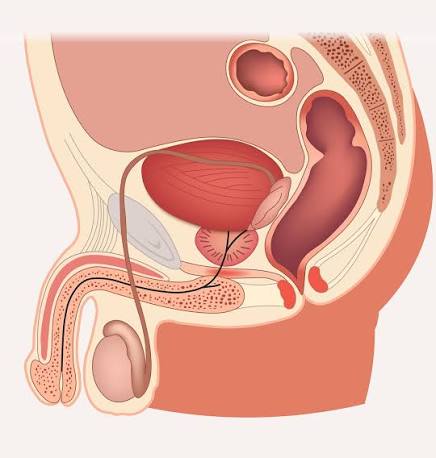
It can. But not often, and not permanently. Stage I disease on active surveillance has a recurrence rate of 15 to 20 percent. Add a single cycle of adjuvant chemo and that drops below 5. Most recurrences happen within the first two years. After five years without a sign? The risk is very small. And here’s the part most patients don’t know going in. Even when testicular cancer comes back, it usually still responds to treatment.

According to Prof. Dr. Sandeep Nayak, Surgical Oncologist in India, “The fear of recurrence after testicular cancer is understandable. But the honest answer? Even if it comes back, it’s usually curable. The tumour markers catch it early, weeks before any scan shows something. The surveillance schedule isn’t just monitoring. It’s the safety net. And it works.”

Even if it comes back, testicular cancer can almost always be treated again.

What Factors Affect the Risk of Recurrence?

Stage, type, and what the pathology showed. All three matter.

  • Stage I on surveillance: Around 15 to 20 percent of stage I non-seminoma patients on active surveillance relapse. Seminoma runs about the same. Not everyone. But enough that the follow up schedule isn’t optional.
  • Adjuvant treatment cuts it sharply: One cycle of BEP for non-seminoma or one to two cycles of carboplatin for seminoma after surgery drops recurrence risk below 5 percent. A small trade-off for a lot of peace of mind.
  • Lymph node involvement: Positive retroperitoneal nodes push this into stage II territory. Surveillance alone isn’t standard here. RPLND or chemotherapy gets added.
  • Tumour biology details: Lymphovascular invasion, elevated AFP or beta-hCG, high embryonal carcinoma content. These findings in the pathology report push the team toward adjuvant treatment rather than just watching.

For patients whose surveillance or recurrence workup leads to a surgical reassessment of lymph nodes, robotic cancer surgery brings minimally invasive RPLND precision with faster recovery.

How Is Recurrence Detected and Treated?

Markers first. Scans next. Chemotherapy when needed.

  • Tumour markers drawn every visit: AFP and beta-hCG normalise after surgery. A rising number afterwards is the earliest warning. Weeks before anything shows on imaging. That’s why skipping the blood test isn’t an option.
  • CT scan schedule: Chest, abdomen, pelvis every 3 to 4 months for the first two years. Then less often. The retroperitoneal lymph nodes are the most common place for relapse to appear first.
  • BEP chemotherapy: Three to four cycles of bleomycin, etoposide and cisplatin. Highly effective even for advanced recurrent disease. Cure rates for relapsed testicular cancer sit above 70 percent.
  • Second primary risk: The other testicle carries a 2 to 5 percent lifetime risk of a new cancer. Different from recurrence but equally important. Monthly self-examination and any new lump reported promptly.

For a full picture of testicular cancer from diagnosis through to treatment options, our blog on testicular cancer covers the complete picture.

Why Choose Dr. Sandeep Nayak for Testicular Cancer Treatment?

Dr. Sandeep Nayak has spent 24 years in surgical oncology. He holds DNB qualifications in Surgical Oncology and General Surgery, plus a fellowship in Laparoscopic and Robotic Onco Surgery. He performs radical inguinal orchiectomy and minimally invasive RPLND for testicular cancer, guides post-surgical surveillance and adjuvant therapy decisions through the tumour board, and counsels patients on recurrence risk, follow up schedule and second primary monitoring. Every testicular cancer case is reviewed by the tumour board before the treatment plan is finalised.

That recurrence risk conversation at the first appointment, not as an afterthought weeks later, is what lets patients go into surveillance with a clear plan rather than ongoing anxiety. Call +91 8104310753 to book your consultation.

Frequently Asked Questions

Can testicular cancer recur after surgery?

Yes, but recurrence rates are low and most cases remain curable.

When is recurrence most likely?

Most recurrences happen within two years of completing treatment.

Can testicular cancer be cured if it comes back?

Yes, most recurrent testicular cancers respond well to chemotherapy.

How is recurrence detected?

Tumour markers AFP and beta-hCG plus CT scans during follow up.

Disclaimer: This blog is for informational purposes only and is not a substitute for professional medical advice.

 Liver Resection vs Transplant: When Is Each Better?

 Liver Resection vs Transplant: When Is Each Better?

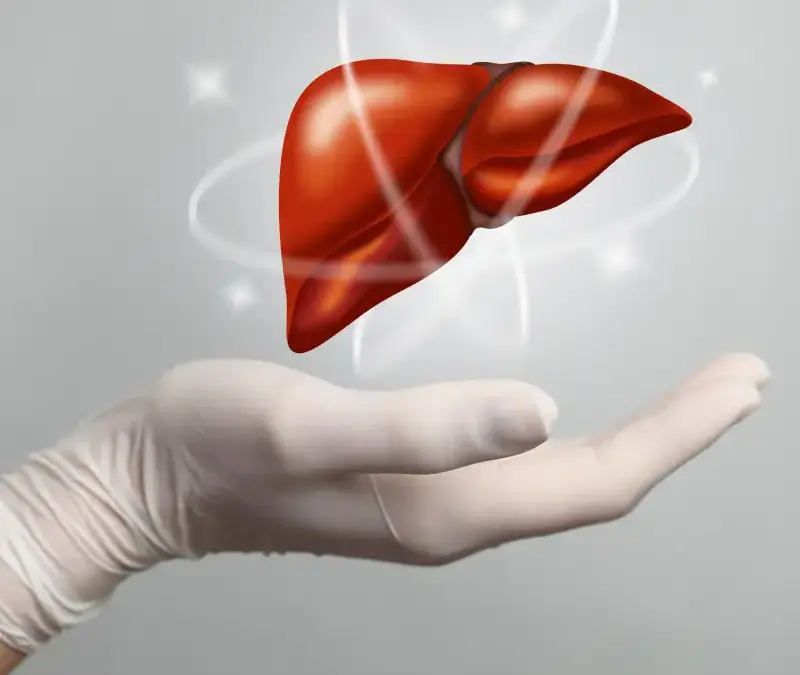
Resection is better when the liver behind the tumour is healthy enough to function after part of it is removed. Transplant is better when the liver itself is diseased, usually cirrhotic, and the tumour fits within the size and number criteria that make recurrence after a donated organ unlikely. Both can cure liver cancer. The tumour is rarely the only deciding factor. The liver’s own health decides as much as the cancer does.

According to Prof. Dr. Sandeep Nayak, Surgical Oncologist in India, “Liver resection and transplant are not competing options. They’re answers to different clinical questions. Resection asks whether the tumour can be removed with enough healthy liver left behind. Transplant asks whether the cancer fits within criteria where recurrence after a donated organ is unlikely enough to justify using it. The tumour board weighs both before recommending either.”

The right liver surgery depends on the cancer, the liver behind it, and what’s realistically available.

When Is Liver Resection the Better Option?

Good liver function behind the tumour changes everything.

  • Healthy underlying liver: Child-Pugh A function, no significant portal hypertension. The remnant liver regenerates. Patients with cirrhosis are at much higher risk for post-resection failure. That’s the key dividing line between who resects and who doesn’t.
  • Resectable tumour anatomy: Single or limited tumours not hugging major vessels or bile ducts. Clear margins needed. At least 20 to 30 percent functional liver volume must remain after the resection.
  • No donor, no waiting: Resection is available now. No list. No matching. No lifelong immunosuppression afterwards. For patients with good liver function and resectable disease, that’s a real practical advantage.
  • Beyond Milan but still confined: Tumours too large for transplant criteria but still within the liver can be resected when function holds up. These patients don’t have a transplant path without downstaging first.

For patients whose liver cancer is removed using minimally invasive approaches, robotic cancer surgery brings precision hepatectomy with lower blood loss and faster recovery than open liver resection.

Liver Resection vs Transplant: Head to Head

Feature

Liver Resection

Liver Transplant

What is removed

Tumour and margin only

Entire diseased liver

Underlying liver

Must be functional

Diseased liver goes entirely

Waiting time

Immediate

Months to years

Recurrence risk

Higher in cirrhotic liver

Lower within Milan criteria

Immunosuppression

Not required

Lifelong

Best for

Good function, resectable

Cirrhosis with early HCC

  • Milan criteria define transplant eligibility: Single tumour under 5 cm, or up to three tumours none exceeding 3 cm, no vascular invasion, no spread outside the liver. Within these criteria 5-year post-transplant survival exceeds 70 percent.
  • Recurrence after resection in cirrhotic liver: Runs 50 to 70 percent at 5 years. Not because surgery failed. The remaining diseased liver keeps generating new tumours. Transplant removes that substrate entirely.
  • Downstaging for transplant: Patients outside Milan criteria can sometimes be brought inside using TACE or ablation before listing. Bridge therapy. Standard at experienced centres now, not a workaround.
  • Living donor reality in India: Deceased donor availability is very limited here. Living donor liver transplant from a family member is the primary transplant pathway at most Indian centres. That changes the waiting time equation completely from what patients read about Western transplant programmes.

For patients who want to understand whether liver cancer is curable at their current stage, our blog on liver cancer curable explains what that means across stages and treatment types.

Why Choose Dr. Sandeep Nayak for Liver Cancer Surgery?

Dr. Sandeep Nayak has spent 24 years in surgical oncology. He holds DNB qualifications in Surgical Oncology and General Surgery, plus a fellowship in Laparoscopic and Robotic Onco Surgery. He performs robotic and laparoscopic hepatectomy for liver cancer resection, works closely with the liver transplant and hepatology teams for transplant assessment cases, and presents every liver cancer case to the tumour board so both resection and transplant are formally evaluated before any recommendation is made.

That joint evaluation at the first consultation, rather than being moved between departments after initial workup, is what prevents patients being funnelled into one pathway when the other might serve them better. Call +91 8104310753 to book your consultation.

Frequently Asked Questions

What is the difference between liver resection and transplant?

Resection removes the tumour, transplant replaces the entire liver.

When is liver resection preferred over transplant?

Resectable HCC with good underlying liver function and no cirrhosis.

What is the Milan criteria for liver transplant?

Single tumour under 5 cm or up to three tumours under 3 cm each.

Can liver cancer recur after transplant?

Yes, recurrence occurs in about 15 to 20 percent of transplant cases.

Disclaimer: This blog is for informational purposes only and is not a substitute for professional medical advice.

Call Now Button