
What Is a Tumour Board and How Does It Help Patients?

What Is a Tumour Board and How Does It Help Patients?

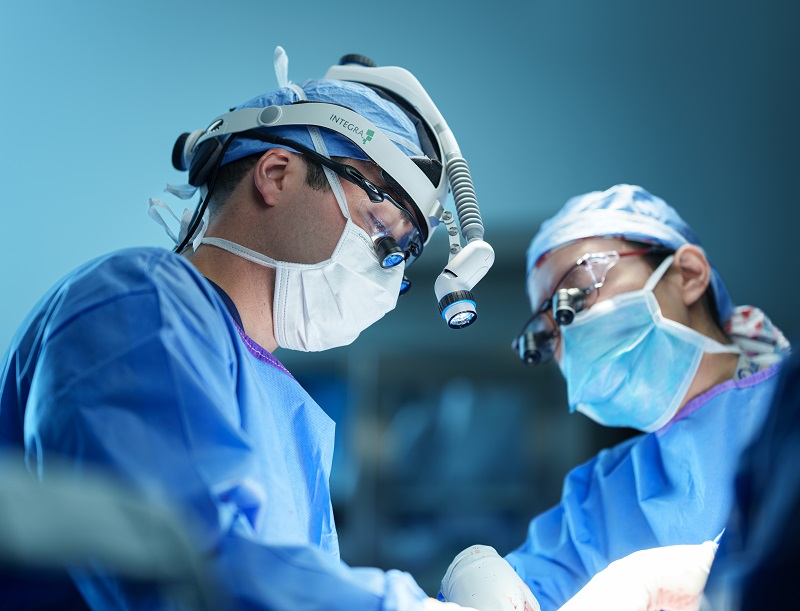
A tumour board is a weekly meeting. Surgical, medical and radiation oncologists, pathologists and radiologists, all sitting together, reviewing each cancer case as a team. The scans get looked at fresh. The biopsy slides get a second read. Five sets of expert eyes go over the same case before a final treatment plan reaches you. This is the quiet engine behind modern cancer care, and it’s why team based outcomes beat single doctor decisions almost every time.

According to Prof. Dr. Sandeep Nayak, Surgical Oncologist in India, “Tumour board is where the real treatment decision gets made for almost every complex cancer case. The surgical view, the chemo view, the pathology read, they all land on the same table. The plan that comes out is sharper than any single opinion, and that’s what patients deserve from modern oncology.”

The right cancer plan comes from many eyes, not just one.

Who Sits on a Tumour Board and What Do They Do?

The team includes every specialist your case actually needs.

  • Surgical oncologist: Looks at whether the tumour can be removed, what kind of operation suits, and whether organ function or fertility can be preserved alongside.
  • Medical oncologist: Weighs the chemotherapy, targeted therapy and immunotherapy options. Decides what’s needed before surgery, what’s needed after, and how to sequence the whole plan.
  • Radiation oncologist: Checks if radiation belongs in the plan, when in the timeline, and how to deliver it without harming the healthy tissue around the tumour.
  • Pathologist plus radiologist: Reads the biopsy slides afresh, confirms the diagnosis, reviews every scan. Their findings ground each recommendation in evidence, not assumption.

For patients whose plan involves surgery, robotic cancer surgery is one part of a complete approach the tumour board signs off on first.

How Does Tumour Board Review Actually Help You?

The benefits aren’t theoretical. They’re evidence backed and measurable.

  • Catches mistakes: Multiple expert eyes on the same biopsy and scans catch staging errors, missed details, misinterpretations. Things a single doctor might overlook simply because nobody else is double checking.
  • Right sequence: The team decides what should come first. Chemo, surgery, or radiation. That call often matters as much as the treatments themselves do.
  • Newer options: Tumour boards regularly bring up molecular profiling, clinical trial slots and newer targeted therapies. Things individual practitioners might not actively follow week to week.
  • Confidence in plan: When five specialists agree on a plan, you and your family can move forward knowing it isn’t one person’s judgement alone behind it.

For patients still weighing whether to seek another expert view, our blog on second opinion in cancer diagnosis walks through what to ask and where to go.

Why Choose Dr. Sandeep Nayak for Your Cancer Care?

Dr. Sandeep Nayak has spent 24 years in surgical oncology. He holds DNB qualifications in Surgical Oncology and General Surgery and trained further with a fellowship in Laparoscopic and Robotic Onco Surgery. Every case at MACS Clinic goes through tumour board review before any surgical or treatment plan is finalised, so patients get the full team’s input, not a single specialist’s call.

That team based approach is what separates modern oncology from the older single doctor model. Every plan gets tumour board sign off first. Surgery or chemo follows from there. Call +91 8104310753 to book your consultation.

Frequently Asked Questions

What is a tumour board?

A team of cancer specialists reviewing each case together for the best plan.

Who attends a tumour board?

Surgical, medical, radiation oncologists, pathologists and radiologists working together.

How does it help the patient?

Multiple expert views reduce errors and improve treatment outcomes significantly.

Is every cancer case reviewed?

At MACS Clinic yes, every case goes through tumour board review.

Disclaimer: This blog is for informational purposes only and is not a substitute for professional medical advice.
Why Do Some Cancers Have No Symptoms Until Late?

Why Do Some Cancers Have No Symptoms Until Late?

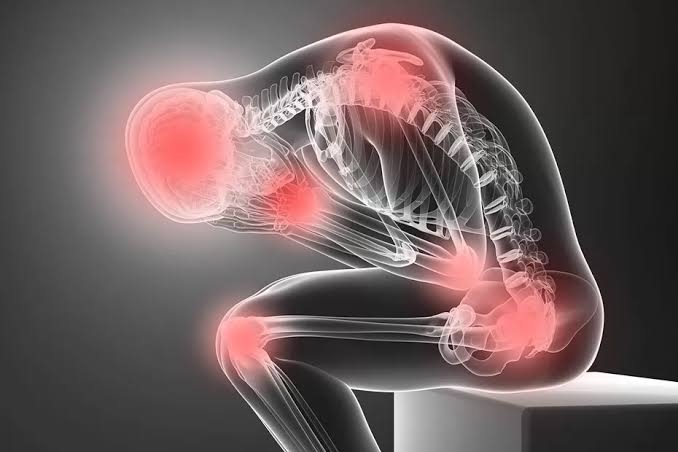
Some cancers grow inside organs that simply have no way to raise an alarm. The pancreas, ovaries, kidneys and liver hold very few pain nerves, and there’s loose space around them, so a tumour can sit and expand for months without pressing on anything that would actually hurt. By the time mild fatigue, bloating or a vague back ache shows up, the cancer is often already past the early stage. Catching these in time means screening high risk people, not waiting for symptoms.

According to Prof. Dr. Sandeep Nayak, Surgical Oncologist in India, “Silent cancers stay silent because the organs they start in have room to grow and no pain signals to trigger. By the time symptoms appear, the disease has often crossed into late stages. This is exactly why family history matters and why high risk groups should screen rather than wait for warning signs that may never come early enough.”

 Don’t wait for symptoms that may never arrive early enough.

Why Do These Cancers Stay Hidden So Long?

The biology of where they grow gives them an unfair head start.

  • No pain nerves: The pancreas, ovaries and liver carry very few pain sensors inside them. A tumour can grow there for months and nothing inside the body raises a flag.
  • Plenty of space: The abdomen has loose room around organs. Tumours expand for ages before pressing on anything important enough to actually hurt.
  • Vague early signs: When something does turn up, it’s mild fatigue, a bit of bloating, dull back ache. The same things a dozen everyday issues cause. Nobody links it to cancer.
  • Spread feels normal: By the time symptoms appear properly, the cancer has often already moved into lymph nodes or other organs. What the patient feels is just general unwellness, not a clear warning.

For patients caught at a treatable stage, robotic cancer surgery brings precise tumour removal even in deep, tricky areas like the pancreas or pelvis.

What Can Be Done to Catch Silent Cancers Early?

Smart, targeted screening is the answer. Not generic worry.

  • Know your risk: Family history of cancer, BRCA or Lynch syndrome, long term smoking, chronic pancreatitis, hepatitis. Any of these pushes you into a group worth screening on purpose.
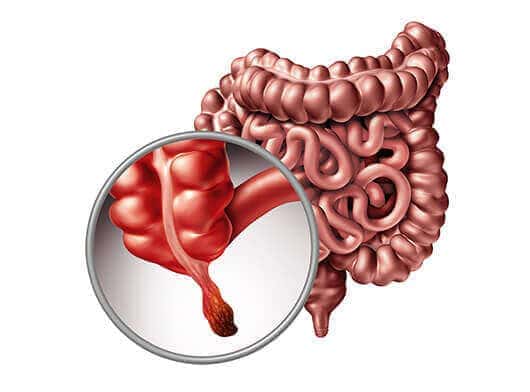
  • Targeted scans: Ultrasound, CT or MRI done at the right intervals catches kidney, ovarian and pancreatic tumours earlier than symptom watching ever does.
  • Blood markers: Tumour markers like CA 125 for ovarian or CA 19 9 for pancreatic, paired with imaging, help spot suspicious cases in higher risk patients.
  • Listen to vague signs: Bloating that doesn’t settle in two weeks. Weight dropping for no reason. New mid back pain that doesn’t fit a posture cause. Worth a specialist’s eyes, not another month of waiting.

To understand which cancer types tend to be hardest to catch and treat, our blog on the most dangerous cancers walks through why some stay hidden longest.

Why Choose Dr. Sandeep Nayak for Your Cancer Care?

Dr. Sandeep Nayak has spent 24 years in surgical oncology, with DNB qualifications in Surgical Oncology and General Surgery and a fellowship in Laparoscopic and Robotic Onco Surgery. He builds screening plans for high risk patients, takes vague but persistent symptoms seriously instead of brushing them off and uses robotic precision to remove tumours in the deep, hard to reach organs where silent cancers usually start.

That kind of proactive screening plus minimally invasive surgery is what genuinely changes outcomes here. Every case at MACS Clinic goes through a full tumour board, where the treatment plan is set together. Call +91 8104310753 to book your consultation.

Frequently Asked Questions

Why do some cancers have no symptoms early?

They grow in deep organs with no nerves, room to expand.

Which cancers are most silent?

Pancreatic, ovarian, kidney, lung, liver and some brain cancers.

Can silent cancers be detected early?

Yes, through targeted screening for high risk individuals only.

What screening helps catch silent cancers?

CT scans, ultrasounds, blood markers and tumour specific tests.

Disclaimer: This blog is for informational purposes only and is not a substitute for professional medical advice.
Can Cancer Be Passed From Mother to Baby?

Can Cancer Be Passed From Mother to Baby?

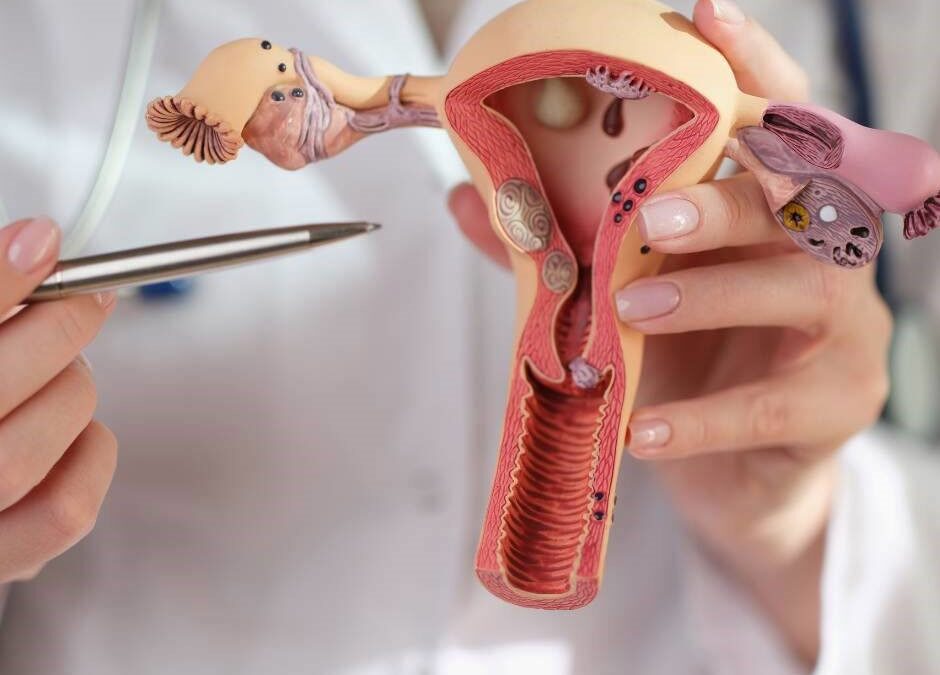
Mother to baby cancer transmission during pregnancy is extremely rare, with only around 18 documented cases worldwide in over 150 years of medical literature. The placenta acts as a strong barrier that blocks cancer cells from reaching the baby in nearly every case, and the baby’s developing immune system handles the very few that do slip through. Inherited cancer risk through genes is a separate matter, where certain BRCA or hereditary syndromes can pass down without any direct cell transmission.

According to Prof. Dr. Sandeep Nayak, Surgical Oncologist in India, “Maternal to fetal cancer transmission is one of the rarest events in oncology, far less common than the worry it causes among pregnant patients. The placenta and the baby’s immune system together make this an extraordinary occurrence, not a likely one, and the families I counsel through cancer during pregnancy are reassured by how settled the evidence is here.”

That worry about your baby deserves the real numbers, not vague fear.

How Does the Placenta Protect the Baby From Cancer?

The pregnancy biology builds in two strong barriers against transmission.

  • Physical barrier: The placenta works like a filter between mother and baby, blocking most cells, including cancer cells, from crossing the bloodstream divide in either direction.
  • Immune defence: The baby’s developing immune system recognises foreign cells, including any maternal cancer cells that slip through, and typically destroys them before they take hold.
  • Genetic mismatch: Cancer cells from the mother carry her genetic markers, which the baby’s immune system reads as foreign, making engraftment in the baby’s body very unlikely.
  • Extraordinarily rare: Only around 18 confirmed cases of true cell transmission exist in published literature, working out to roughly one case per 500,000 pregnancies with cancer.

For patients whose pregnancy plan combines cancer treatment with surgery, robotic cancer surgery allows precise removal that minimises disruption to ongoing pregnancy care.

What's the Difference Between Inherited and Transmitted Cancer?

Two completely separate ideas often get confused. They work through totally different biology.

  • Inherited cancer: Specific genes like BRCA1, BRCA2 or Lynch syndrome pass from parent to child at conception, raising lifetime cancer risk decades later, not at birth.
  • Transmitted cancer: Actual cancer cells crossing from a mother’s body into the baby during pregnancy, which is the extremely rare event covered in this blog.
  • Different timing: Inherited risk shows up years or decades after birth as cancer might or might not develop. Transmission shows up months after birth as direct disease.
  • Genetic counselling: Anyone with a strong family cancer history benefits from genetic testing and counselling, which is the right path for inherited risk, not transmission worry.

For young women planning pregnancy after their own cancer treatment, our blog on pregnancy after cancer walks through timing and safety.

Why Choose Dr. Sandeep Nayak for Your Cancer Care?

Dr. Sandeep Nayak has spent 24 years in surgical oncology, with DNB qualifications in Surgical Oncology and General Surgery and a fellowship in Laparoscopic and Robotic Onco Surgery. He counsels pregnant patients facing a cancer diagnosis with calm, evidence based answers about transmission rarity, treatment options that protect both mother and baby and clear coordination with obstetric teams throughout.

That settled, evidence based reassurance is what carries patients through cancer in pregnancy without panic. Every case at MACS Clinic goes through a full tumour board, where the treatment plan is set together. Call +91 8104310753 to book your consultation.

Frequently Asked Questions

Can cancer pass from mother to baby?

Extremely rare, about one in 500,000 pregnancies worldwide.

Which cancers carry the highest transmission risk?

Melanoma, leukaemia and lymphoma, though all transmissions remain very rare.

Is inherited cancer the same as transmitted cancer?

No, inherited is genes passing, transmitted is cells crossing placenta.

Should I avoid pregnancy if I have cancer?

Not usually, decisions are made with your oncologist case by case.

Disclaimer: This blog is for informational purposes only and is not a substitute for professional medical advice.
Can I Hug My Family Member Going Through Chemo?

Can I Hug My Family Member Going Through Chemo?

Hugging during chemotherapy is safe most of the time, and emotionally it matters a lot. What changes is the timing window after each cycle, when immunity dips, and the visitor’s own state of health on that day. There’s also a short body fluid precaution for the first 48 hours after an infusion, and beyond that, physical closeness through treatment is something patients genuinely need.

According to Prof. Dr. Sandeep Nayak, Surgical Oncologist in India, “Cancer patients on chemo need closeness from family, not distance. The medical answer is simple. Healthy visitors can hug, kiss and stay close. What’s risky is bringing infection into a low immunity body, so the rule is one line. If you’re sick, stay away.”

Your hug matters more than you think during treatment.

When Is It Safe to Hug a Chemo Patient?

A few things decide whether closeness is fine or worth pausing for that day.

  • You’re healthy: No cold, no fever, no cough, nothing brewing? Then yes, hug freely. There’s no risk going from a healthy visitor to the patient through touch.
  • Day of cycle: Immunity tends to drop hardest about 7 to 14 days after each chemo session. That’s the stretch where any extra caution matters more.
  • Hand washing: A quick hand wash before any close contact does almost as much good as you can imagine. Everyday germs are the main thing you’re keeping away.
  • Mask if unsure: Had a mild sniffle recently, or been around someone unwell? Wear a mask through the visit. Easy, cheap and worth the extra layer.

For patients whose plan combines chemo with surgery, robotic cancer surgery brings faster recovery so they return to family closeness sooner.

What Precautions Should Families Take at Home?

Day to day life needs only small tweaks, not a complete overhaul.

  • 48 hour care: For about two days after an infusion, traces of chemo leave through urine and other body fluids. Use gloves when cleaning the toilet or washing soiled laundry.
  • Sick visitors: If a visitor has a cold, flu, or even an unsettled stomach, ask them politely to come another day. Low immunity plus a small infection can mean a hospital admission.
  • Shared meals: Eating together is fine. It’s actually good for the patient’s mood. Just keep regular hygiene with hand washing and clean utensils.
  • Children visits: Healthy children can come over and hug freely. Skip the visit if the child has chickenpox, measles or anything contagious in the air.

For families wanting to understand how chemo cycles are scheduled and why timing shapes everything, our blog on chemo rounds for breast cancer walks through it.

Why Choose Dr. Sandeep Nayak for Your Cancer Care?

Dr. Sandeep Nayak has spent 24 years in surgical oncology, with DNB qualifications in Surgical Oncology and General Surgery and a fellowship in Laparoscopic and Robotic Onco Surgery. He briefs every family clearly on chemo timing, low immunity windows and what household precautions genuinely matter, so caregivers feel confident, not scared to be close.

That kind of direct, practical guidance turns the chemo experience from isolating into supported. Every case at MACS Clinic goes through a full tumour board, where the treatment plan is set together. Call +91 8104310753 to book your consultation.

Frequently Asked Questions

Can I hug a family member going through chemo?

Yes, hugging is generally safe, with simple precautions during low immunity windows.

When should I avoid hugging?

If you have cold, flu, fever or any infection symptoms.

Are body fluids risky for caregivers?

Yes, gloves help when handling urine or vomit within 48 hours.

Can children hug a chemo patient?

Yes, if children are healthy and have no infections currently.

Disclaimer: This micro blog is for educational purposes only and should not replace professional medical advice, diagnosis, or treatment.

How Does Cancer Cause Weight Loss?

How Does Cancer Cause Weight Loss?

Cancer drives weight loss through several things happening together. The tumour leaks inflammatory chemicals that ramp up metabolism and dampen appetite. The body burns more calories at rest. Add chemo, radiation or surgery side effects on top, and food intake drops too. Rarely just one cause. Usually four or five stacking up at once.

According to Prof. Dr. Sandeep Nayak, Surgical Oncologist in India, “Cancer weight loss isn’t just about appetite or food. It’s a metabolic state where the body burns through itself to feed the cancer. Understanding that helps families stop blaming the patient for not eating enough, and helps the medical team plan support around treatment, not just diet.”

It’s biology, not effort. Knowing why helps families respond better.

What Are the Main Mechanisms Behind Cancer Weight Loss?

Several processes run at the same time. Each adds to the weight loss.

  • Cytokine inflammation: The tumour pushes out proteins called TNF-alpha, IL-1, IL-6. These speed muscle breakdown. They suppress appetite too. So even patients who feel like eating struggle to use the food properly.
  • Hypermetabolism: Cancer cells gulp huge amounts of glucose and nutrients to grow. Resting metabolism climbs. Reserves burn faster than normal eating can replace. The scale drops.
  • Hormonal disruption: Insulin resistance kicks in. Catabolic hormones rise. Anabolic hormones fall. The balance tips toward tissue breakdown rather than tissue building.
  • Treatment side effects: Chemo brings nausea, mouth sores, taste changes. Radiation to the gut or throat makes swallowing painful. Surgery limits food intake during recovery. Each compounds the underlying biology.

For patients whose cancer can be surgically removed, robotic cancer surgery brings precise tumour control with faster recovery, often slowing the metabolic chaos behind the weight loss.

Which Cancers Cause the Most Weight Loss and Why?

Some cancers hit harder than others. Location and biology both play a role.

  • Pancreatic cancer: The classic example. Around 80 percent of patients show weight loss at diagnosis. The pancreas controls digestive enzymes and blood sugar, so tumours here disrupt both at once.
  • Stomach and oesophageal: Direct physical effect. Tumours block food, create early fullness, make swallowing tough. Patients eat less without quite realising it.
  • Lung cancer: Strong inflammatory load. High cytokine levels drive systemic weight loss, even when the tumour itself is still small or early stage.
  • Head and neck cancers: Pain with eating. Altered taste. Difficulty swallowing. Radiation side effects often compound the cancer’s direct effect on the appetite.

For patients dealing with digestive symptoms alongside weight loss, our blog on stomach cancer warning signs walks through the full symptom picture worth checking.

Why Choose Dr. Sandeep Nayak for Your Cancer Care?

Dr. Sandeep Nayak has spent 24 years in surgical oncology. He holds DNB qualifications in Surgical Oncology and General Surgery, plus a fellowship in Laparoscopic and Robotic Onco Surgery. He treats cancer weight loss as part of the overall plan from the start, coordinating with oncology dietitians and supportive care teams so nutrition, medication and cancer treatment work together rather than in isolation.

Every case at MACS Clinic is reviewed by the multidisciplinary tumour board before treatment planning. Call +91 8104310753 to book your consultation.

Frequently Asked Questions

How does cancer cause weight loss?

Inflammation, increased metabolism, appetite loss and treatment side effects together.

Which cancers cause the most weight loss?

Pancreatic, stomach, lung, oesophageal and head and neck cancers commonly.

Is weight loss the first cancer sign?

Yes, in about 40 percent of cancer diagnoses worldwide

Does treatment also cause weight loss?

Yes, chemotherapy, radiation and surgery side effects contribute too.

Disclaimer: This micro blog is for educational purposes only and should not replace professional medical advice, diagnosis, or treatment.

Call Now Button