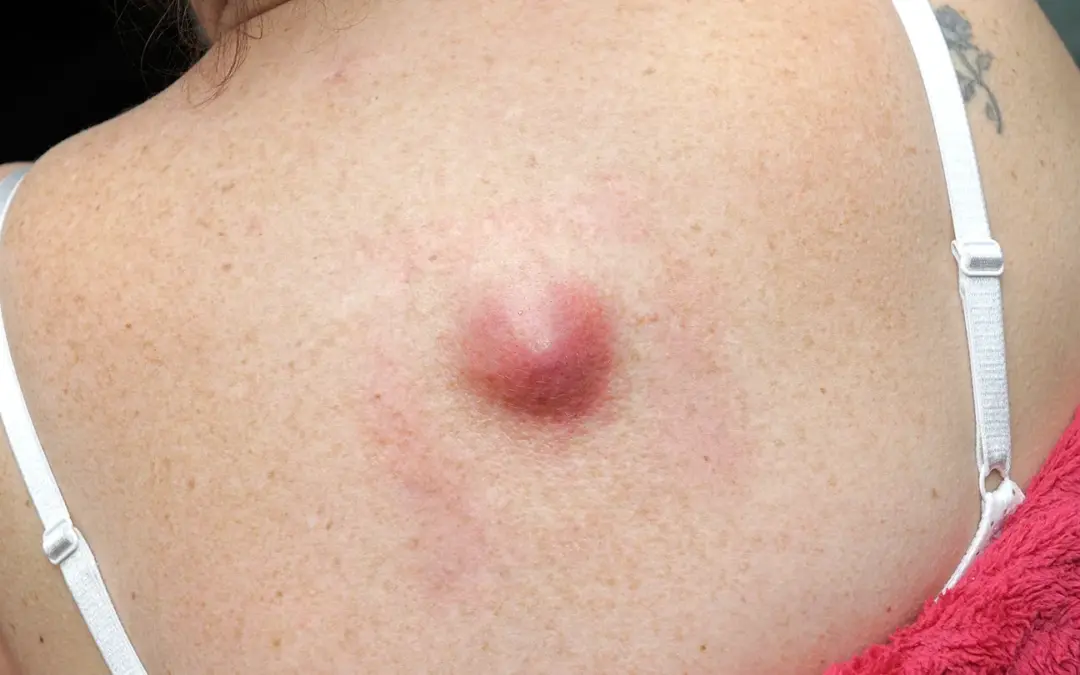
Can Rectal Cancer Be Treated Without a Colostomy Bag?

Can Rectal Cancer Be Treated Without a Colostomy Bag?

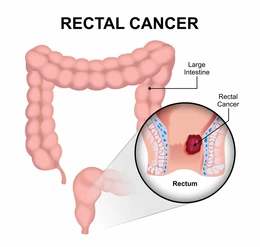
Yes and that answer surprises more rectal cancer patients than it should because somewhere along the way the idea got established that a colostomy bag is just what rectal cancer means and that’s genuinely not true for a large number of patients whose tumour location, treatment response and access to a surgeon experienced enough to attempt preservation would have made stoma avoidance entirely possible if anyone had told them to ask.

According to Prof. Dr. Sandeep Nayak, Surgical Oncologist in India, “A permanent colostomy is not inevitable for most rectal cancer patients. The right surgical technique at the right centre changes what’s achievable on the table significantly.”

When Can Rectal Cancer Be Treated Without a Colostomy?

These are the factors that genuinely determine whether you need a permanent bag or not:

  • Tumour height: Upper and mid rectal cancers almost never need a permanent stoma and lower rectal tumours close to the sphincter aren’t automatically a bag situation either at a centre where the surgeon has the volume and the specific technique to work in that space properly.
  • Chemo and radiation first: A tumour that shrinks well with chemoradiation before surgery creates options on the table that weren’t there before treatment started and a good response is one of the main things that turns what looked like a stoma case into a preservation case.
  • Who does the surgery: Inter-sphincteric resection and ultra-low anterior resection aren’t procedures every surgeon offering rectal cancer surgery actually does at volume and the outcomes difference between someone doing these regularly versus occasionally is real enough that it should be part of your decision about where to go.
  • Watch and wait: Patients who respond completely to chemoradiation are sometimes managed with close surveillance rather than immediate surgery and that approach avoids both a stoma and a major operation for the right patients at specialist centres set up to handle it properly.

The information about how much surgical experience and technique affects stoma outcomes is something patients deserve to have before they agree to treatment anywhere not after. Rectal cancer treatment at a specialist surgical oncology centre starts with a genuine honest assessment of what preservation looks like for your specific tumour before a theatre slot gets booked.

What Makes Sphincter-Preserving Surgery Possible or Not?

These are the things that actually determine whether the sphincter can be saved in your case:

  • Distance to sphincter: One to two centimetres is genuinely the hardest territory and whether preservation is safe depends not just on the anatomy but on whether the sphincter muscle remaining after resection can still do what the patient needs it to do every day afterward.
  • Getting clean margins: A clear distal margin below the tumour while keeping the sphincter in place is the technical crux of low rectal cancer surgery and the robotic view and wristed instruments working in the narrow pelvis reach angles that hands in that same space physically cannot get to safely.
  • Function is the real question: Keeping the sphincter anatomically isn’t the same as keeping function and low anterior resection syndrome with urgency, clustering and frequency is a real outcome patients need to understand honestly before they choose preservation over a well-functioning stoma.
  • Temporary isn’t permanent: Most sphincter-preserving low rectal operations put a temporary defunctioning stoma in to protect the join while it heals and that reverses in a smaller second procedure a few months later so waking up with a bag after this surgery isn’t the same as having one for life.

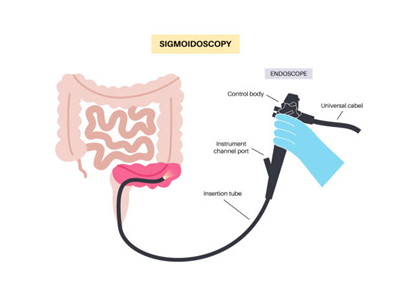
What’s realistic for your case is a conversation that needs your MRI, your staging scans and a surgeon who has done enough of these to know the honest difference between what’s achievable and what’s false reassurance. Colon cancer treatment at specialist surgical oncology centres covers the full colorectal spectrum where avoiding unnecessary permanent stomas is a conversation that happens at the very first appointment.

Why Choose Dr. Sandeep Nayak for Cancer Treatment?

Dr. Sandeep Nayak has spent over 24 years doing rectal cancer surgery and built MIND and RIA-MIND for exactly the situation that low rectal cancer presents, operating deep in the narrow pelvis with the precision that genuine sphincter preservation in difficult cases demands rather than just the cases where it was always going to work anyway. He chairs Oncology Services across Karnataka and sees patients at MACS Clinic in Bangalore. Dr. Nayak will look at your imaging and tell you straight whether preservation is realistic for your case or whether a permanent stoma is genuinely the safer answer and patients need that honesty from someone who’s operated in that space enough times to actually know.

Frequently Asked Questions

Can rectal cancer be treated without a colostomy bag?

Yes in many cases, where the tumour sits, how it responds to chemoradiation and how experienced the surgeon is with sphincter preservation all determine whether it’s achievable.

What determines if a permanent stoma can be avoided?

Tumour height, response to neoadjuvant chemoradiation and the surgical team’s actual experience with sphincter-preserving low rectal techniques are the deciding factors.

Is a temporary stoma the same as a permanent colostomy?

No, a temporary stoma protecting the bowel join while it heals gets reversed in a second smaller operation typically three to six months after the main surgery.

Does robotic surgery help avoid a permanent bag in rectal cancer?

Yes, the precision robotic surgery allows in the narrow pelvis makes sphincter preservation achievable in cases where open surgery in that space would more likely result in a permanent stoma.

Reference links:

  1. National Cancer Institute. Rectal Cancer Treatment. https://www.cancer.gov/types/colorectal/patient/rectal-treatment-pdq
  2. American Cancer Society. Surgery for Colorectal Cancer. https://www.cancer.org/cancer/types/colon-rectal-cancer/treating/surgery.html
    • Disclaimer: The information shared in this content is for educational purposes and not for promotional use.
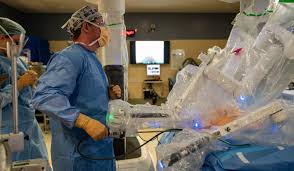

    What Is Neck Dissection Surgery for Cancer?

    What Is Neck Dissection Surgery for Cancer?

    Neck dissection surgery for cancer removes the lymph nodes in the neck that have already been invaded by cancer cells or are likely enough to be carrying them that leaving them in is a risk nobody who understands head and neck cancer biology would take, because these cancers spread through the lymphatic system first and the neck nodes are the first stop on that journey and clearing them properly is what stops regional recurrence from happening when it didn’t have to.

    According to Prof. Dr. Sandeep Nayak, Surgical Oncologist in India, “Neck dissection is not just about the nodes you can see or feel, it’s about clearing the lymphatic pathways cancer uses before it gets the chance to move further.”

    What Happens During Neck Dissection Surgery?

    These are the key things that happen during neck dissection for cancer:

    • Node mapping: The neck has multiple lymph node levels and which ones come out depends on where the primary tumour is, what imaging shows and whether the dissection is treating known disease or preventing future spread.
    • Selective vs radical: Selective neck dissection takes out the specific node levels at risk from the primary tumour site while radical dissection clears all five levels and sometimes the structures around them when cancer has genuinely grown into those tissues.
    • Function preserved where possible: Modern neck dissection aims to keep the spinal accessory nerve controlling shoulder movement, the internal jugular vein and the sternocleidomastoid muscle intact unless cancer is actually in them because the consequences of unnecessary removal are real and lasting.
    • Same operation as primary removal: Neck dissection happens at the same time as removing the primary tumour in almost every case because putting a patient through two separate operations and two recoveries when one will do it isn’t something a serious surgical team does.

    The difference between a neck dissection that gets everything necessary out cleanly and one that causes shoulder weakness or nerve damage the patient didn’t need to have is surgeon volume and anatomical familiarity built through hundreds of cases not dozens. Oral cancer treatment at a specialist surgical oncology centre treats neck dissection as an integrated planned part of head and neck cancer surgery from the start.

    Why Does Neck Dissection Matter for Long Term Outcomes?

    These are the reasons neck dissection directly shapes what happens to a patient after head and neck cancer treatment:

    • Regional control: Nodes carrying cancer cells that don’t come out are a direct source of recurrence and regional recurrence in head and neck cancer is genuinely one of the harder things to manage compared to getting the nodes out properly the first time around.
    • Accurate staging: The pathology from a proper neck dissection tells you how many nodes were involved, whether extranodal extension is present and what the real stage is in a way that imaging before surgery simply cannot give you.
    • Drives adjuvant decisions: What comes out of the neck dissection specimen tells the oncologist exactly what radiation field is needed, whether chemo goes alongside it and how aggressive the follow-up needs to be in a way that guesswork from scans never could.
    • Lower recurrence: Patients who had proper neck dissection with adequate lymphadenectomy consistently show lower regional recurrence rates than those where the nodal field wasn’t fully addressed and the outcomes data on this has been consistent for years.

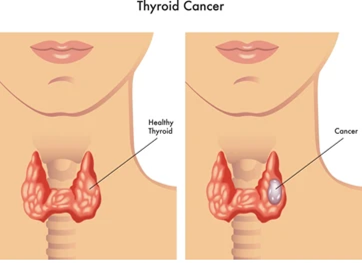
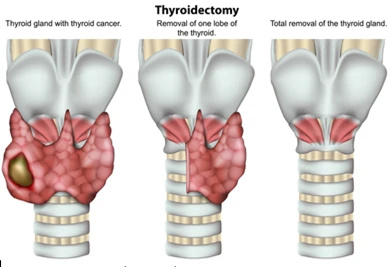
    Whether elective or therapeutic neck dissection is right for your case depends on your tumour site, your clinical staging and a team that looks at the full picture together rather than making surgical decisions in isolation. Thyroid cancer treatment is one of the key cancer types where neck dissection planning is central to the surgical strategy at specialist oncology centres in India.

    Why Choose Dr. Sandeep Nayak for Cancer Treatment?

    Over 24 years doing head and neck cancer surgery. The volume of neck dissections Dr. Sandeep Nayak has performed is exactly what builds the kind of anatomical familiarity that separates a dissection done well from one that leaves patients with function loss they didn’t need. He chairs Oncology Services across Karnataka and sees patients at MACS Clinic in Bangalore. Dr. Nayak treats each neck dissection as its own anatomical problem with its own demands because that’s what it is and patients on the other side of surgery with him consistently notice the difference in what they’re left with.

    Frequently Asked Questions

    What is neck dissection surgery for cancer?

    Removal of lymph nodes in the neck that carry or are at risk of carrying cancer cells, done to control regional spread and get accurate staging information.

    When is neck dissection needed?

    When imaging or clinical examination shows involved neck nodes or when the primary tumour carries significant risk of lymph node spread even without visible involvement.

    What are the types of neck dissection?

    Selective removes specific node levels at risk while radical clears all five levels and sometimes surrounding structures when cancer has grown directly into them.

    What is recovery like after neck dissection?

    Home within three to five days for most patients with shoulder movement being the main functional thing to watch depending on whether the spinal accessory nerve was preserved.

    Reference links:

    1. National Cancer Institute. Lip and Oral Cavity Cancer Treatment. https://www.cancer.gov/types/head-and-neck/patient/lip-mouth-treatment-pdq
    2. American Cancer Society. Oral Cavity and Oropharyngeal Cancer. https://www.cancer.org/cancer/types/oral-cavity-and-oropharyngeal-cancer.html
      • Disclaimer: The information shared in this content is for educational purposes and not for promotional use.

      How Does Robotic Surgery Work for Cancer?

      How Does Robotic Surgery Work for Cancer?

      Neck dissection surgery for cancer removes the lymph nodes in the neck that have already been invaded by cancer cells or are likely enough to be carrying them that leaving them in is a risk nobody who understands head and neck cancer biology would take, because these cancers spread through the lymphatic system first and the neck nodes are the first stop on that journey and clearing them properly is what stops regional recurrence from happening when it didn’t have to.

      According to Prof. Dr. Sandeep Nayak, Surgical Oncologist in India, “Neck dissection is not just about the nodes you can see or feel, it’s about clearing the lymphatic pathways cancer uses before it gets the chance to move further.”

      What Happens During Neck Dissection Surgery?

      These are the key things that happen during neck dissection for cancer:

      • Node mapping: The neck has multiple lymph node levels and which ones come out depends on where the primary tumour is, what imaging shows and whether the dissection is treating known disease or preventing future spread.
      • Selective vs radical: Selective neck dissection takes out the specific node levels at risk from the primary tumour site while radical dissection clears all five levels and sometimes the structures around them when cancer has genuinely grown into those tissues.
      • Function preserved where possible: Modern neck dissection aims to keep the spinal accessory nerve controlling shoulder movement, the internal jugular vein and the sternocleidomastoid muscle intact unless cancer is actually in them because the consequences of unnecessary removal are real and lasting.
      • Same operation as primary removal: Neck dissection happens at the same time as removing the primary tumour in almost every case because putting a patient through two separate operations and two recoveries when one will do it isn’t something a serious surgical team does.

      The difference between a neck dissection that gets everything necessary out cleanly and one that causes shoulder weakness or nerve damage the patient didn’t need to have is surgeon volume and anatomical familiarity built through hundreds of cases not dozens. Oral cancer treatment at a specialist surgical oncology centre treats neck dissection as an integrated planned part of head and neck cancer surgery from the start.

      Why Does Neck Dissection Matter for Long Term Outcomes?

      These are the reasons neck dissection directly shapes what happens to a patient after head and neck cancer treatment:

      • Regional control: Nodes carrying cancer cells that don’t come out are a direct source of recurrence and regional recurrence in head and neck cancer is genuinely one of the harder things to manage compared to getting the nodes out properly the first time around.
      • Accurate staging: The pathology from a proper neck dissection tells you how many nodes were involved, whether extranodal extension is present and what the real stage is in a way that imaging before surgery simply cannot give you.
      • Drives adjuvant decisions: What comes out of the neck dissection specimen tells the oncologist exactly what radiation field is needed, whether chemo goes alongside it and how aggressive the follow-up needs to be in a way that guesswork from scans never could.
      • Lower recurrence: Patients who had proper neck dissection with adequate lymphadenectomy consistently show lower regional recurrence rates than those where the nodal field wasn’t fully addressed and the outcomes data on this has been consistent for years.

      Whether elective or therapeutic neck dissection is right for your case depends on your tumour site, your clinical staging and a team that looks at the full picture together rather than making surgical decisions in isolation. Thyroid cancer treatment is one of the key cancer types where neck dissection planning is central to the surgical strategy at specialist oncology centres in India.

      Why Choose Dr. Sandeep Nayak for Cancer Treatment?

      Over 24 years doing head and neck cancer surgery. The volume of neck dissections Dr. Sandeep Nayak has performed is exactly what builds the kind of anatomical familiarity that separates a dissection done well from one that leaves patients with function loss they didn’t need. He chairs Oncology Services across Karnataka and sees patients at MACS Clinic in Bangalore. Dr. Nayak treats each neck dissection as its own anatomical problem with its own demands because that’s what it is and patients on the other side of surgery with him consistently notice the difference in what they’re left with.

      Frequently Asked Questions

      What is neck dissection surgery for cancer?

      Removal of lymph nodes in the neck that carry or are at risk of carrying cancer cells, done to control regional spread and get accurate staging information.

      When is neck dissection needed?

      When imaging or clinical examination shows involved neck nodes or when the primary tumour carries significant risk of lymph node spread even without visible involvement.

      What are the types of neck dissection?

      Selective removes specific node levels at risk while radical clears all five levels and sometimes surrounding structures when cancer has grown directly into them.

      What is recovery like after neck dissection?

      Home within three to five days for most patients with shoulder movement being the main functional thing to watch depending on whether the spinal accessory nerve was preserved.

      Reference links:

      1. National Cancer Institute. Lip and Oral Cavity Cancer Treatment. https://www.cancer.gov/types/head-and-neck/patient/lip-mouth-treatment-pdq
      2. American Cancer Society. Oral Cavity and Oropharyngeal Cancer. https://www.cancer.org/cancer/types/oral-cavity-and-oropharyngeal-cancer.html
          • Disclaimer: The information shared in this content is for educational purposes and not for promotional use.
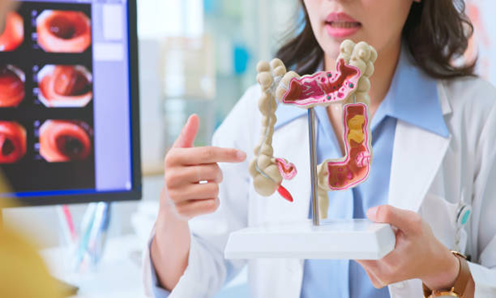
          What Is Tongue Cancer and How Is It Treated?

          What Is Tongue Cancer and How Is It Treated?

          Tongue cancer is oral cancer that starts in the cells lining the tongue, usually on the sides or underside where most people don’t look and wouldn’t notice something growing until it’s been there a while, and it’s treated by removing the tumour with clear margins, adding radiation when the pathology demands it and using robotic surgery for base of tongue cancers where getting in through the mouth with a camera and wristed instruments beats cutting through the neck every single time.

          According to Prof. Dr. Sandeep Nayak, Surgical Oncologist in India, “Tongue cancer treated at a specialist centre with the right surgical approach gives patients the best chance of complete removal while keeping the function they need for daily life.”

          What Is Tongue Cancer and What Causes It?

          These are the key things patients need to understand about tongue cancer:

          • Where it grows: Usually the sides or underside of the tongue in squamous cells lining the mucosa, less often the top, and base of tongue cancer at the back near the throat is a separate type that behaves quite differently and is increasingly linked to HPV.
          • Tobacco and alcohol: These two together are the most significant risk factors and people using both carry a risk that’s considerably higher than either alone, which in India given how common tobacco use is makes oral cancer screening something more people should be doing.
          • HPV link: Younger non-smoking patients are increasingly presenting with base of tongue cancer linked to HPV infection and this type actually tends to respond better to treatment than tobacco-driven tongue cancers do.
          • When to act: A tongue sore that hasn’t healed in two to three weeks, numbness, difficulty swallowing or a lump in the neck are the things that need a specialist appointment rather than waiting another month to see what happens.

          Tongue cancer caught early is very treatable and the gap between early and late stage outcomes is big enough that waiting on symptoms that feel off is genuinely a bad idea. Oral cancer treatment at a specialist surgical oncology centre gives early stage tongue cancer the best realistic shot at complete treatment with function preserved.

          How Is Tongue Cancer Treated?

          These are the main treatment approaches used for tongue cancer:

          • Surgery first: Removing the tumour with clear margins is the foundation of tongue cancer treatment and for early stage disease a partial glossectomy that preserves most tongue function is what serious specialist centres aim for rather than more aggressive removal than the case actually needs.
          • Neck dissection: Tongue cancer spreads to neck lymph nodes early and removing the relevant node groups at the same operation is standard because leaving nodes that might carry cancer behind is one of the more preventable reasons tongue cancer comes back.
          • Radiation after: Post-operative radiation gets added when margins are close, nodes are involved or pathology shows features that raise recurrence risk and chemo goes alongside radiation when the case warrants it to make the radiation work harder.
          • Robotic access: TORS lets base of tongue tumours come out through the mouth without cutting through the neck at all and the robotic camera and wristed instruments give a view and precision in that location that open surgery through an external incision genuinely can’t match.

          Whether surgery alone or combined treatment fits your tongue cancer depends on staging, location and what pathology shows after the resection is done. This is worth reading if you want to understand how cancer indicators are assessed at specialist oncology centres.

          Why Choose Dr. Sandeep Nayak for Cancer Treatment?

          Dr. Sandeep Nayak has been treating oral and tongue cancer surgically for over 24 years and has been doing trans-oral robotic surgery for base of tongue cancers since before most Indian centres had the equipment or the case volume to make it viable. Getting clear margins without unnecessarily sacrificing function is the thing that separates surgical oncology from general surgery and it’s what his approach is built around. He chairs Oncology Services across Karnataka and sees patients at MACS Clinic in Bangalore where Dr. Nayak treats tongue cancer with the kind of surgical precision that changes what life looks like for patients on the other side of treatment.

          Frequently Asked Questions

          What is tongue cancer?

          Cancer starting in the cells lining the tongue, usually on the sides or underside, treated with surgery, radiation and sometimes robotic surgery depending on location and stage.

          What causes tongue cancer?

          Tobacco, alcohol and HPV are the main causes with tobacco and alcohol used together carrying significantly higher risk than either one alone.

          How is tongue cancer treated?

          Surgery with clear margins, neck dissection, post-operative radiation when indicated and robotic trans-oral surgery for base of tongue cancers.

          Can tongue cancer be cured?

          Early stage tongue cancer caught before significant lymph node spread is very often curable with the right surgery and adjuvant treatment at a specialist centre.

          Reference links:

          1. National Cancer Institute. Lip and Oral Cavity Cancer Treatment. https://www.cancer.gov/types/head-and-neck/patient/lip-mouth-treatment-pdq

          2. American Cancer Society. Oral Cavity and Oropharyngeal Cancer. https://www.cancer.org/cancer/types/oral-cavity-and-oropharyngeal-cancer.html

            • Disclaimer: The information shared in this content is for educational purposes and not for promotional use.
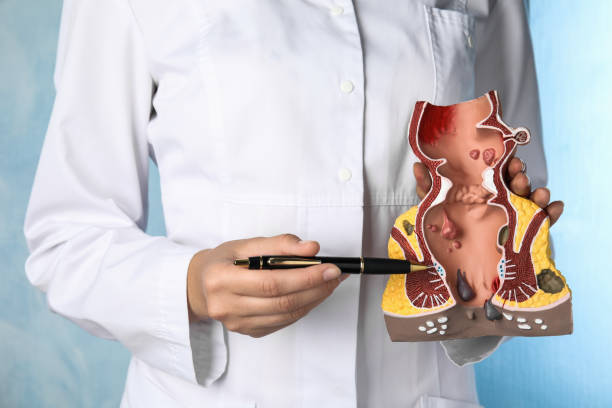
            What Is HIPEC Treatment for Stage 4 Cancer?

            What Is HIPEC Treatment for Stage 4 Cancer?

            HIPEC treatment for stage 4 cancer is a procedure where a surgeon removes every visible tumour deposit from the abdominal cavity first and then floods the whole cavity with heated chemotherapy for around 90 minutes while the patient is still on the table, and the reason heat matters is that it makes the chemotherapy penetrate tissue more deeply than it would at normal body temperature while keeping the drug concentrated exactly where the cancer is rather than sending it through the whole body the way systemic chemo does.

            According to Prof. Dr. Sandeep Nayak, Surgical Oncologist in India, “HIPEC gives selected stage 4 cancer patients a genuine chance at long term survival that systemic chemotherapy alone simply cannot offer them.”

            How Does HIPEC Actually Work?

            These are the key things that happen during HIPEC treatment:

            • Cytoreductive surgery comes first: Every visible tumour deposit on the peritoneum, organs and abdominal surfaces gets removed surgically before the chemotherapy even enters the picture and how completely this is done directly determines how well HIPEC works afterward.
            • Heated chemo floods the cavity: Once the surgical removal is complete the abdominal cavity gets filled with chemotherapy heated to around 41 to 43 degrees Celsius and circulated for 60 to 90 minutes reaching surfaces and crevices no systemic chemo ever gets to.
            • Heat does two jobs: It makes the chemotherapy penetrate deeper into remaining microscopic cancer cells than it would at normal temperature and it directly damages cancer cells itself because tumour tissue is more sensitive to heat than healthy tissue.
            • Systemic exposure stays low: Because the chemo stays inside the abdominal cavity during HIPEC the rest of the body doesn’t absorb the same hit it would from intravenous chemotherapy and that changes what side effects the patient actually experiences.

            HIPEC is not a last resort procedure handed to patients when nothing else is left, it’s a carefully selected treatment for patients whose cancer has spread to the peritoneum but nowhere else and who are fit enough to handle a major combined procedure. HIPEC treatment at a specialist surgical oncology centre with the infrastructure and volume to do it properly is a genuinely different conversation from a centre attempting it occasionally.

            Who Is HIPEC Suitable for in Stage 4 Cancer?

            These are the factors that determine whether HIPEC is realistically on the table for a stage 4 patient:

            • Peritoneal spread only: HIPEC works when cancer has spread to the peritoneum but hasn’t moved to the liver, lungs or distant organs because if it has the procedure addresses one area while disease progresses somewhere else entirely.
            • Completeness of surgery possible: The peritoneal cancer index score tells the surgeon how widely the tumour has spread inside the abdomen and patients with lower scores where complete removal is achievable get meaningfully better outcomes than those where too much has to be left behind.
            • Fit enough for a major procedure: Cytoreductive surgery plus HIPEC is a long complex operation with a real recovery demand and patients need to have the physical reserves to handle it safely because the combination is significantly more intense than either procedure alone.
            • Right primary cancer type: Colorectal cancer, appendix cancer, ovarian cancer and mesothelioma spreading to the peritoneum are the cancers where HIPEC has the strongest evidence behind it and where specialist centres are most likely to consider it seriously.

            Whether HIPEC is the right call for your specific stage 4 cancer needs detailed staging, a peritoneal cancer index assessment and a surgical oncologist who actually does this regularly enough to know where the limits of the procedure genuinely sit. Ovarian cancer treatment is one of the primary indications for HIPEC at specialist centres in India where peritoneal spread is part of the surgical planning from the start.

            Why Choose Dr. Sandeep Nayak for Cancer Treatment?

            HIPEC is one of the more demanding procedures in surgical oncology and the outcomes are directly tied to how experienced the team doing it actually is. Dr. Sandeep Nayak has been performing cytoreductive surgery and HIPEC for years at a centre built around doing it properly rather than occasionally. He chairs Oncology Services across Karnataka and sees patients at MACS Clinic in Bangalore. Dr. Nayak will look at your staging, your peritoneal cancer index and your overall fitness and tell you honestly whether HIPEC is realistically the right path for your case or whether something else fits better.

            Frequently Asked Questions

            What is HIPEC treatment for stage 4 cancer?

            HIPEC removes all visible tumour from the abdominal cavity surgically then floods it with heated chemotherapy to target remaining microscopic cancer cells directly.

            Who is suitable for HIPEC treatment?

            Patients with peritoneal spread from colorectal, appendix, ovarian or similar cancers where complete surgical removal is achievable and disease hasn’t spread beyond the abdomen.

            Is HIPEC a cure for stage 4 cancer?

            For selected patients with peritoneal-only spread HIPEC offers genuine long term survival and in some cases disease-free survival that systemic chemo alone cannot achieve.

            What is recovery like after HIPEC?

            HIPEC involves a major combined operation and recovery typically takes four to eight weeks in hospital and rehabilitation before returning to normal activity.

            Reference links:

            1. National Cancer Institute. Hyperthermia to Treat Cancer. https://www.cancer.gov/about-cancer/treatment/types/surgery/hyperthermia-fact-sheet

            2. American Cancer Society. Chemotherapy. https://www.cancer.org/cancer/managing-cancer/treatment-types/chemotherapy.html

                • Disclaimer: The information shared in this content is for educational purposes and not for promotional use.