

support@macsclinic.com
+91 9482202240
Cancer Treatment Path for Teens and Young Adults?

Cancer Treatment Path for Teens and Young Adults?

Teens and young adults with cancer, usually defined as ages 15 to 39, need a treatment approach that’s genuinely different from both pediatric and older adult care. It’s not just about picking a chemo protocol. A proper AYA plan brings in specialised care teams, considers fertility preservation before treatment even starts, keeps mental health support built in rather than optional, and looks at clinical trial access too, something this age group tends to miss out on more than any other.

According to Dr. Sandeep Nayak, surgical oncologist in Bangalorewith over 24 years of experience treating solid tumors, “This age group falls into a gap a lot of the time, too old for paediatric protocols, too young for the assumptions we make about older adult patients. What they actually need is a plan built around their life stage, school, career, relationships, fertility, not just the tumour.”

Cancer diagnosed in a teen or young adult family member?

Cancer diagnosed in a teen or young adult family member?

  • Cancers common in this age group, certain sarcomas, lymphomas, testicular and thyroid cancers, don’t always follow adult treatment protocols exactly.
  • Higher-dose or more intensive chemotherapy is often tolerated and used more aggressively than in older patients, since younger bodies generally recover faster.
  • Clinical trial access matters more here, this age group is historically underrepresented in trials designed for either children or older adults.
  • Treatment planning has to account for school, work, and independence, not just the 
  • medical side of things.Testicular cancer specifically shows up disproportionately in this age range, and if that’s the concern here, our Testicular Cancer treatment page covers the surgical side in more depth.

Fertility, Mental Health, and What Often Gets Missed?

  • Fertility preservation needs to be raised before treatment starts, not after, since chemotherapy and radiation can affect it permanently.
  • Mental health support isn’t an add-on for this age group, a cancer diagnosis at this life stage carries a different kind of disruption than it does later in life.
  • Body image, relationships, and returning to school or work all need real attention during and after treatment, not just survival numbers.
  • Family involvement looks different too, teens especially often want more independence in decisions than parents expect to give them.

If fertility is part of what’s weighing on your mind right now, we’ve gone into that separately in Egg or Sperm Freezing Before Cancer Treatment?, worth reading before treatment planning locks in.

Why Choose Dr. Sandeep Nayak?

Dr. Sandeep Nayak has spent more than two decades in surgical oncology, and younger patients navigating cancer alongside school, careers, and starting families have been part of that work throughout. He currently serves as Chairman of Oncology Services for Karnataka and heads Surgical Oncology and Robotic Surgery at KIMS Hospital, Bangalore. What tends to matter most to patients and families isn’t the title though, it’s that fertility, mental health, and life beyond the diagnosis get built into the treatment plan from the start, not treated as separate conversations for later. That whole-picture approach is often where things get missed elsewhere.

Not sure what a treatment plan should look like for a teen or young adult in your family? Don’t navigate this alone. Call +91 9482202240 and get someone to actually walk you through it.

Frequently Asked Questions

Should a teenager be treated by a pediatric oncologist or an adult one?

Often both, working together. Many AYA cases benefit from a team that draws on paediatric protocols where relevant, alongside adult oncology expertise.

Does cancer behave differently in young adults?

In some ways, yes. Certain cancer types are more common in this age group, and tumour biology can differ from what’s typically seen in older adults.

Is fertility preservation always possible for teens?

Not always straightforward for younger teens, but it’s worth raising early with your care team regardless of age, options vary by treatment timeline and puberty stage.

How important is mental health support during treatment at this age?

Very. This life stage already involves major identity and independence changes, and a cancer diagnosis on top of that needs dedicated support, not an afterthought.

References

Disclaimer: This blog is for informational and educational purposes only and is not a substitute for professional medical advice or diagnosis.
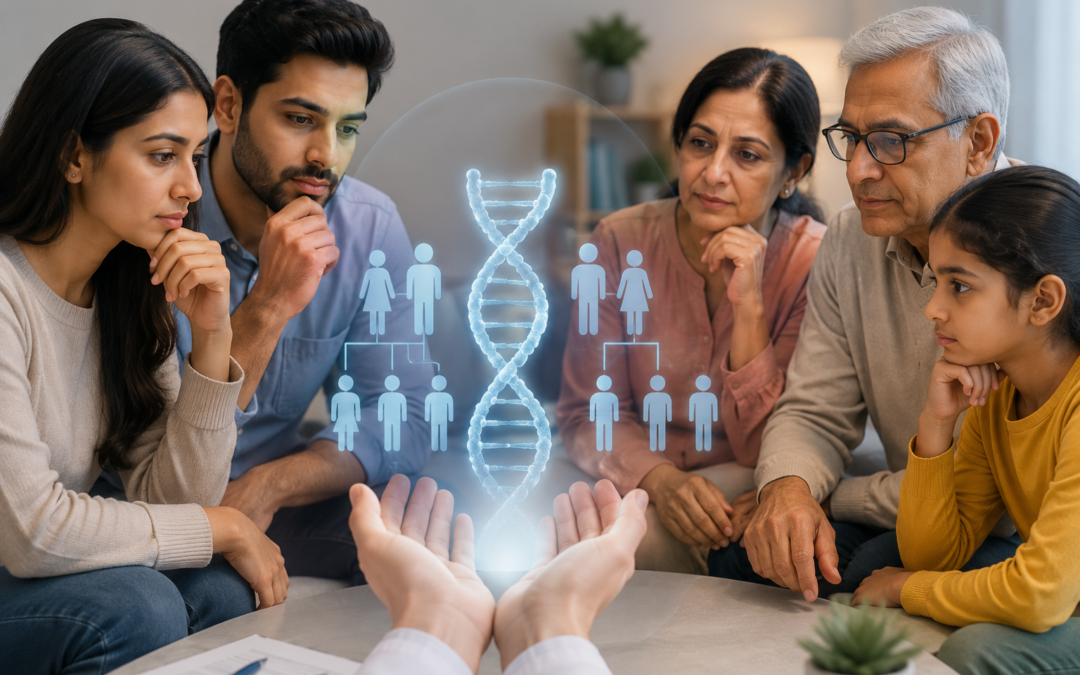
Should Family Get Genetic Testing After My Cancer?

Should Family Get Genetic Testing After My Cancer?

Depends entirely on whether your specific cancer came from an inherited gene change or not, most don’t. Your family should really only consider testing if your own genetic test turned up a harmful mutation, or if something about your diagnosis raises a flag, being unusually young at diagnosis, or a strong pattern of the same cancer running through the family.

According to Dr. Sandeep Nayak, surgical oncologist in Bangalore with over 24 years of experience treating solid tumors, “Patients assume every cancer is hereditary, and it’s just not true, most aren’t. What actually matters is whether we’ve found a specific mutation in you. If we have, that’s when the conversation with your family becomes worth having. Without that, we’d just be creating anxiety without any real answer behind it.”

Wondering if your family should get tested after your diagnosis?

When Family Testing Actually Makes Sense?

  • Your own genetic test came back positive for a known mutation, BRCA1, BRCA2, Lynch syndrome, or similar.
  • You were diagnosed at an unusually young age for that particular cancer type.
  • Multiple close relatives, parents, siblings, children, have had the same or related cancers.
  • You have a specific cancer type known to run in hereditary patterns, certain breast, ovarian, or colorectal cancers especially.

Hereditary breast and ovarian cancer syndromes come up often enough in practice that they’re worth understanding on their own, our Breast Cancer treatment page goes into how a positive result can actually change surgical decisions too.

What Happens If a Family Member Tests Positive?

A positive result doesn’t mean they’ll definitely get cancer, it means their risk is higher than average.

  • Increased screening usually starts, often earlier and more frequently than standard guidelines.
  • Some relatives choose preventive options depending on the specific mutation and their own risk tolerance.
  • A negative result in a family with a known mutation is genuinely reassuring, it usually means that person’s risk drops back to average.

This is exactly the kind of decision that benefits from genetic counselling before testing even happens, not just after, so the results actually mean something once you have them.

Why Choose Dr. Sandeep Nayak ?

Dr. Sandeep Nayak has spent more than two decades in surgical oncology, and genetic testing has increasingly become part of how treatment decisions get made, not just an afterthought once surgery’s already planned. He currently serves as Chairman of Oncology Services for Karnataka and heads Surgical Oncology and Robotic Surgery at KIMS Hospital, Bangalore. What tends to matter most to patients isn’t the title though, it’s that the conversation about family risk doesn’t stop once their own treatment is decided. That follow-through is often where things get missed elsewhere.

Not sure if your family should be tested? Don’t guess at this one. Call +91 9482202240 and get someone to actually walk you through it.

Frequently Asked Questions

Does my whole family need to get tested if I have a mutation?

Not everyone, no. Usually it starts with first-degree relatives, parents, siblings, children, and expands from there depending on results.

What if my genetic test came back negative?

Then there’s usually no strong reason for your family to test based on your case specifically, unless other red flags exist independently.

Is genetic testing expensive in India?

Costs vary a fair bit by lab and the specific panel being run, worth discussing directly with your care team before

Can genetic counselling help before we decide on testing?

Yes, and it’s worth doing first. A counsellor can help figure out who in the family actually needs testing before anyone goes through it unnecessarily.

References

Disclaimer: This blog is for informational and educational purposes only and is not a substitute for professional medical advice or diagnosis.

Is Cancer Treatment Safe During Pregnancy?

Is Cancer Treatment Safe During Pregnancy?

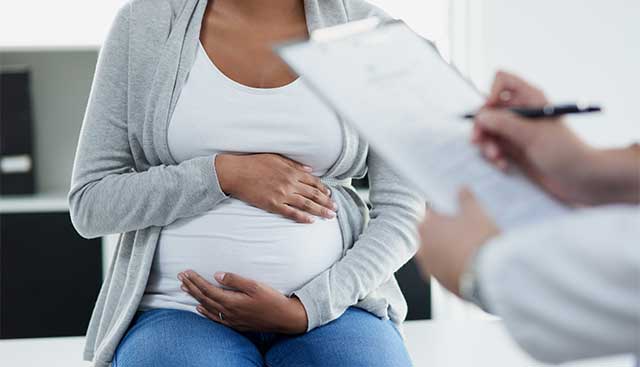
Yes, in most cases it can be, though it really depends on the specifics. Which treatment, how advanced the cancer is, and which trimester you’re in, all of it changes what’s actually possible. This isn’t a one-size-fits-all answer, it takes a team, cancer specialists and pregnancy experts working the plan out together, step by step.

According to Dr. Sandeep Nayak, surgical oncologist in Bangalorewith over 24 years of experience treating solid tumors, “This is one of the most frightening moments a patient can walk into my clinic with, and I understand why. But waiting isn’t automatically safer, and treating isn’t automatically risky. Every case needs its own plan, built around the cancer and the pregnancy together, not one at the expense of the other.”

 Diagnosed with cancer during pregnancy and unsure what’s next?

What Determines If Treatment Is Safe?

  • The trimester matters a lot. Surgery is generally considered safer throughout pregnancy, while chemotherapy is usually avoided in the first trimester due to higher risk to the developing baby.
  • Cancer type and stage change everything, some cancers can wait a few weeks safely, others genuinely can’t.
  • Radiation therapy is the trickiest one, often delayed until after delivery unless the situation is urgent.
  • Every decision here gets made jointly, oncology and obstetrics, not oncology alone.

This kind of case comes up more often with pregnancy-associated breast cancer specifically, and if that’s your situation, our Breast Cancer treatment page goes into the surgical side of it in more depth.

Can Chemotherapy or Surgery Happen During Pregnancy?

    • Surgery is usually possible in any trimester, with anaesthesia protocols adjusted specifically for pregnancy.
    • Chemotherapy, when needed, is generally given from the second trimester onward, once the highest-risk period for the baby has passed.
    • Certain chemotherapy drugs are considered safer than others during pregnancy, this isn’t a blanket yes or no.
    • Delivery timing sometimes gets planned around the treatment schedule itself, not just around the due date.

    Once treatment’s done and you’re thinking further ahead, we’ve written about the other side of this question in Is Pregnancy Safe After Cancer Treatment?, worth reading if pregnancy after treatment is something you’re planning for.

Why Choose Dr. Sandeep Nayak ?

Dr. Sandeep Nayak has spent more than two decades in surgical oncology, and cases involving cancer during pregnancy, where timing and precision matter more than almost anywhere else, have been part of that work throughout. He currently serves as Chairman of Oncology Services for Karnataka and heads Surgical Oncology and Robotic Surgery at KIMS Hospital, Bangalore. What tends to matter most to patients isn’t the title though, it’s that he works the plan out jointly with the obstetric team from day one, rather than treating the cancer and the pregnancy as two separate problems being managed in parallel. That coordination is often where things get missed elsewhere.

Diagnosed during pregnancy and not sure what happens next? Don’t sit on it waiting for more clarity to arrive on its own. Call +91 9482202240 and get someone to actually walk you through it.

Frequently Asked Questions

Does a cancer diagnosis during pregnancy mean I have to terminate?

No, not automatically. Termination isn’t the default path, plenty of pregnancies continue safely alongside treatment, depending on the case.

Is chemotherapy safe for the baby at any point?

Not in the first trimester, that’s generally avoided. Second and third trimester chemotherapy, with the right drugs, is considered safer and is done fairly routinely when needed.

Will treatment during pregnancy affect the baby's development?

It can, depending on timing and treatment type, which is exactly why this gets planned so carefully rather than rushed into.

Can I still deliver a healthy baby while undergoing treatment?

In many cases, yes. Plenty of women go on to deliver healthy babies while managing cancer treatment, with close monitoring throughout.

Reference


Disclaimer: This blog is for informational and educational purposes only and is not a substitute for professional medical advice or diagnosis.
Egg or Sperm Freezing Before Cancer Treatment?

Egg or Sperm Freezing Before Cancer Treatment?

Yes, and it’s one of the more overlooked steps in early cancer planning. Chemotherapy and radiation can damage reproductive cells, sometimes permanently, so freezing eggs, embryos, or sperm before treatment starts is the way most patients protect that option for later. It’s a proven, established process at this point, not experimental.

According to Dr. Sandeep Nayak, surgical oncologist in Bangalore with over 24 years of experience treating solid tumors, “This conversation gets missed more often than it should, mostly because everyone’s focused on treating the cancer itself, understandably. But fertility preservation has a narrow window, it needs to happen before chemo or radiation starts, not after. I’d rather bring it up on day one than have a patient ask about it two years down the line.”

Wondering if fertility preservation fits your treatment timeline?

How Fertility Preservation Actually Works?

  • Sperm banking is fast, usually done in a single visit, and doesn’t delay the start of cancer treatment by more than a day or two.
  • Egg freezing takes longer, typically 10 to 14 days of hormonal stimulation before eggs can be retrieved.
  • Embryo freezing follows a similar timeline to egg freezing, just with fertilisation added before storage.
  • Timing has to be coordinated closely with your oncology team, since treatment can’t always wait for a full stimulation cycle.

A surgical oncologist usually flags this option early and loops in a fertility specialist before treatment planning is finalised, rather than leaving it as an afterthought.

Does This Apply to Every Cancer Type?

  • Not every treatment plan affects fertility the same way, some chemotherapy drugs carry higher risk than others.
  • Radiation to the pelvis tends to carry more fertility risk than radiation elsewhere in the body.
  • Age at the time of treatment plays a role too, particularly for egg freezing outcomes.
  • Even if pregnancy feels like a distant question right now, preserving the option costs far less than trying to recover it later.

If you’re further along and thinking about the other side of this question, we’ve covered that in Is Pregnancy Safe After Cancer Treatment?, worth a read once treatment’s behind you and you’re planning the next step.

Why Choose Dr. Sandeep Nayak?

Dr. Sandeep Nayak has spent more than two decades in surgical oncology, and young patients facing treatment that could affect fertility have been part of that work throughout. He currently serves as Chairman of Oncology Services for Karnataka and heads Surgical Oncology and Robotic Surgery at KIMS Hospital, Bangalore. What tends to matter most to patients isn’t the title though, it’s that he brings up fertility preservation on day one, before treatment planning gets finalised, rather than leaving it as something to circle back to later. That early conversation is often where things get missed elsewhere.

Frequently Asked Questions

Does fertility preservation delay my cancer treatment?

Depends which route. Sperm banking barely touches the timeline, usually a single visit. Egg or embryo freezing is a different story, that can push things back a week or two, which is exactly why this conversation shouldn’t wait.

Is this covered by insurance in India?

Honestly, it’s all over the map. Some policies cover part of it, plenty don’t touch it at all. Best bet is calling your insurer and the treatment centre directly rather than assuming either way.

Can I still do this if I'm about to start treatment urgently?

Depends how urgent we’re talking. Sperm banking can usually still happen fast, even on short notice. Egg freezing’s trickier, time matters a lot more there, so this is a same-day conversation with your oncologist, not a wait-and-see one.

Does chemotherapy always affect fertility?

Not always, no. Comes down to which drugs, what dose, and how old you are at the time. Your oncology team’s really the one who can walk you through where you actually stand.

References

Disclaimer: This blog is for informational and educational purposes only and is not a substitute for professional medical advice or diagnosis.

Can Immunotherapy Be Combined With Surgery?

Can Immunotherapy Be Combined With Surgery?

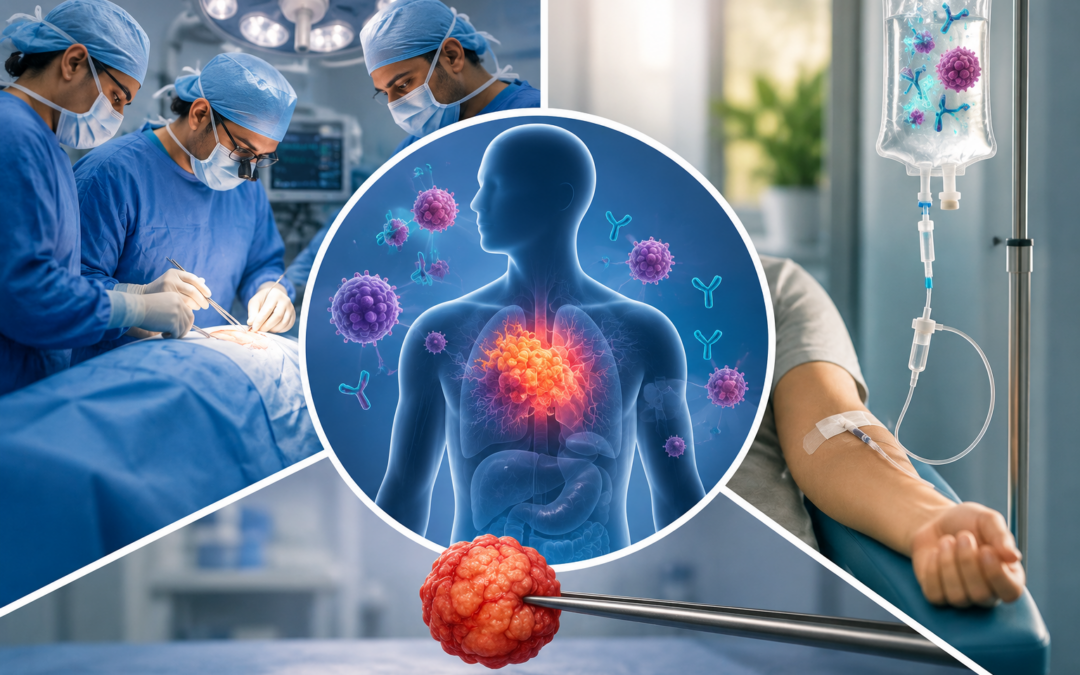
Yes, and it’s actually done fairly often now. Doctors call it perioperative therapy, which just means immunotherapy gets timed around the surgery itself rather than replacing it. Sometimes it’s given beforehand (neoadjuvant) to shrink the tumour down first. Sometimes after (adjuvant), to mop up whatever cells surgery couldn’t catch. Occasionally both, if the case calls for it, mainly to cut down the odds of the cancer coming back.

According to Dr. Sandeep Nayak, surgical oncologist in Bangalorewith over 24 years of experience treating solid tumors, “Surgery removes what we can see and immunotherapy goes after what we can’t. Used together, with the right timing, they cover more ground than either one manages alone. The mistake is treating this as an either-or decision. It rarely is.”

 Wondering if immunotherapy fits your treatment plan?

When Immunotherapy Comes Before Surgery?

  • Given to shrink a tumour down to a size where surgery becomes safer or even possible in the first place.
  • Can turn a borderline-inoperable tumour into one that’s actually removable.
  • Response gets tracked through imaging before the surgery date is even fixed.
  • Not every cancer type responds the same way, so this call goes through a tumour board first.

This decision follows the same underlying logic as chemo timing before surgery, just with a different drug class doing the work.

When Immunotherapy Comes After Surgery?

  • Targets whatever microscopic cancer cells imaging couldn’t pick up after the tumour’s already out.
  • Lowers the chance of recurrence, particularly in cancers with a known relapse pattern.
  • Usually starts once the surgical site has had enough time to heal properly.
  • Duration varies a lot, some protocols run months, others longer, depending on the cancer type and how the case responds.

A surgical oncologist coordinates this timing with the rest of the treatment team, since jumping in too early can interfere with recovery.

Why Choose Dr. Sandeep Nayak ?

Dr. Sandeep Nayak has spent more than two decades in surgical oncology, and cases needing immunotherapy worked into the treatment sequence, before surgery, after, or both, have been part of that work throughout. He currently serves as Chairman of Oncology Services for Karnataka and heads Surgical Oncology and Robotic Surgery at KIMS Hospital, Bangalore. What tends to matter most to patients isn’t the title though, it’s that every case still goes through tumour board before that sequence gets decided, surgery and medical oncology figuring it out together rather than surgery being planned in isolation. That coordination is often where things get missed elsewhere.

Not sure where immunotherapy fits into your treatment plan? Don’t let that decision get made without the full picture. Call +91 9482202240 and get someone to actually walk you through it.

Frequently Asked Questions

Does immunotherapy replace the need for surgery?

No. In most solid tumours, surgery still does the heavy lifting of physically removing the cancer. Immunotherapy supports that, it doesn’t substitute for it.

Are there side effects when combining the two?

Both come with their own separate risks, and timing matters partly because of this. That’s exactly why a tumour board reviews the sequence rather than leaving it to guesswork.

How do doctors decide if immunotherapy should go before or after surgery?

It comes down to cancer type, stage, and how the tumour’s expected to respond. There’s no fixed rule that applies across the board.

Is this approach available in India?

Yes, major cancer centres in India, including ours, already offer perioperative immunotherapy protocols for eligible cancer types.

Reference

Immunotherapy to Treat Cancer — National Cancer Institute
ASCO Clinical Practice Guidelines


Disclaimer: This blog is for informational and educational purposes only and is not a substitute for professional medical advice or diagnosis.

Call Now Button