
support@macsclinic.com
+91 9482202240
What Is the Survival Rate for Stage 4 Lung Cancer?

What Is the Survival Rate for Stage 4 Lung Cancer?

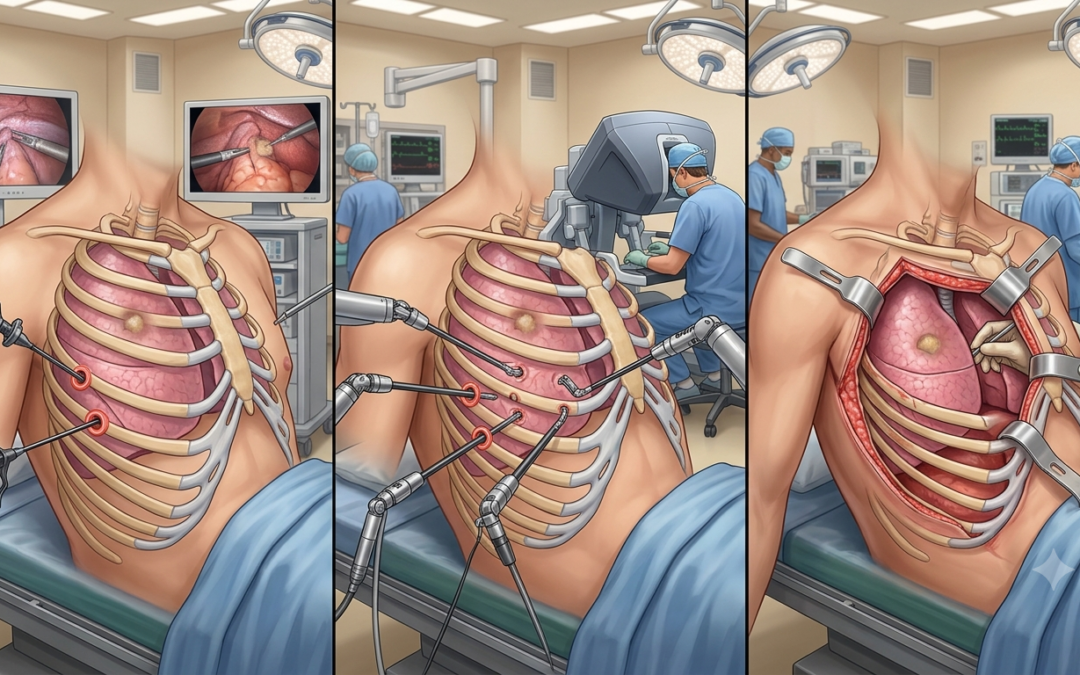
Stage 4 lung cancer carries a 5-year relative survival rate of roughly 7 to 10 percent for non-small cell lung cancer, and around 2 to 3 percent for small cell lung cancer, going by SEER’s distant-stage data. That’s the number everyone quotes first. But it’s built from thousands of past patients averaged together, not a forecast for whoever’s actually reading this right now. Genetics, PD-L1 status, how far things have spread, how the disease answers back once treatment starts, all of it pulls that number in different directions, sometimes by a lot more than people expect.

According to Dr. Sandeep Nayak, Surgical Oncologist in India, “survival statistics describe a population, not a patient, and the treatment plan has to follow the tumour’s actual biology rather than the number printed in a report.”

What does a stage 4 diagnosis actually mean for your treatment options?

What Factors Actually Decide a Stage 4 Prognosis?

A handful of clinical details end up mattering more than the stage label itself. So what actually decides it?

  • Tumour Genetics Mutations like EGFR, ALK or ROS1 in non-small cell lung cancer can open the door to targeted drugs that hold disease steady for years in the ones who carry them, and this testing needs to happen right at the start, not somewhere down the line once other options run out.
  • PD-L1 Levels A high reading here usually means better odds with immunotherapy.
  • Spread Pattern Cancer that’s popped up in a couple of spots and can still be hit with local treatment isn’t really the same disease as cancer that’s spread everywhere, even though both technically land under stage 4 on paper.
  • Early Response How things go in the first few months of treatment tends to say more than the stage itself ever did.

Confirming which of these actually apply starts with proper lung treatment planning, not the stage number alone. Numbers don’t treat patients. People do.

How Has Treatment Changed What Stage 4 Actually Means?

Molecular testing and newer drug classes have quietly moved stage 4 away from being one single grim number. Worth knowing what’s actually shifted.

Targeted Therapy Patients whose tumours carry a driver mutation now get oral targeted drugs that hold disease off for a lot longer than chemotherapy alone used to manage, and for some, years longer.

Immunotherapy Checkpoint inhibitors have pushed survival forward for patients whose tumours actually express PD-L1.

Local Treatment Radiation or surgery aimed at a handful of metastatic sites, paired with systemic drugs, works out well in the right oligometastatic case, not every case though.

Routine Testing Genetic testing at diagnosis is just standard practice now, it’s basically replaced the old habit of starting broad chemotherapy before anyone knew what was actually driving the tumour in the first place.

So the shift in survival isn’t really about stage 4 becoming less serious. It’s treatment finally catching up to what makes each tumour different, which is a theme worth reading more on in early-stage disease too, for anyone curious how this plays out earlier in the disease.

Why Choose Dr. Sandeep Nayak for Stage 4 Lung Cancer Treatment?

Dr. Sandeep Nayak has practiced surgical oncology for more than 24 years now, with 15 of those years spent specifically on robotic and laparoscopic techniques. He chairs Oncology Services across Karnataka and leads Surgical Oncology and Robotic Surgery at KIMS Hospital, Bangalore. Every complex case there goes through tumour board review before a plan gets finalised, no shortcuts.

Patients under his care get a plan built around their own tumour’s genetic profile, not whatever chemotherapy protocol happens to come standard. That’s really the whole difference. Call +91 8104310753 to book your consultation.

Frequently Asked Questions

What is the survival rate for stage 4 lung cancer?

Around 7-10% for non-small cell lung cancer, just 2-3% for small cell.

Can stage 4 lung cancer be cured?

Rarely cured outright, but it’s increasingly manageable as a long-term condition.

Does genetic testing change stage 4 treatment options?

Yes, mutation status often decides whether targeted therapy replaces standard chemotherapy.

Why do survival rates vary so much between patients?

Tumour biology, spread pattern and treatment response matter more than the stage.

References

  1. National Cancer Institute, SEER – Lung and Bronchus Cancer Stat Facts
  2. American Cancer Society – Lung Cancer Survival Rates

Disclaimer: This blog is for informational and educational purposes only and is not a substitute for professional medical advice or diagnosis.

What Is the Survival Rate for Gallbladder Cancer?

What Is the Survival Rate for Gallbladder Cancer?

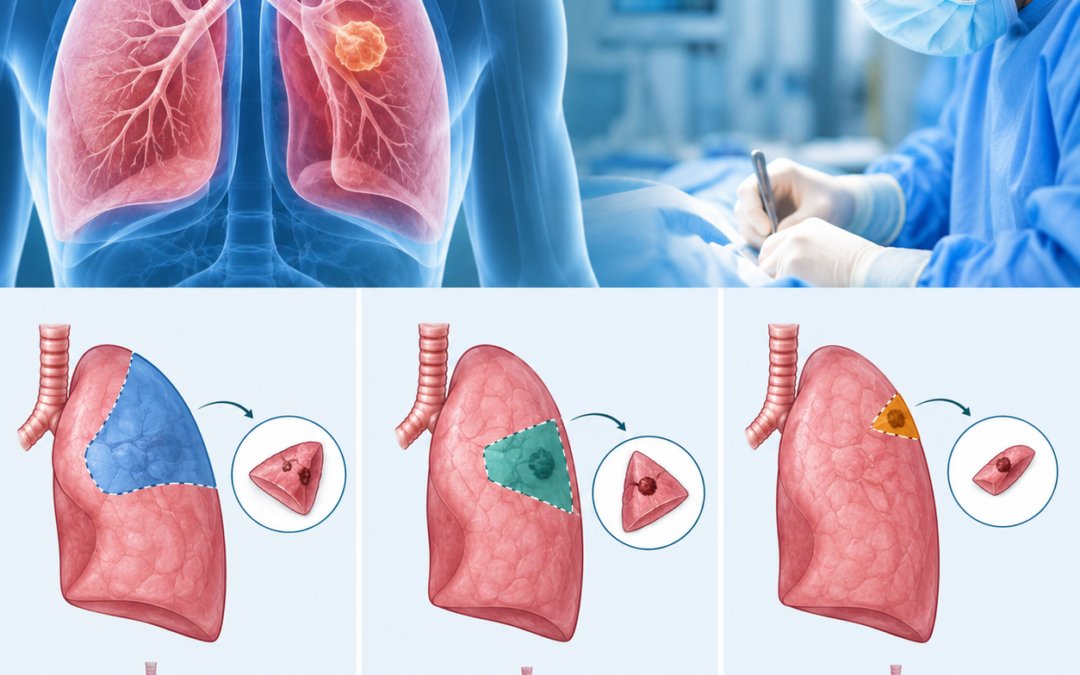
Gallbladder cancer survival rates range from over 80% at Stage 0 to under 5% at Stage 4, based on SEER data. The five-year relative survival rate averages around 20% across all stages combined. Early detection makes the biggest difference in outcome, yet most cases get diagnosed late since symptoms rarely show up until the disease has already spread.

According to Dr. Sandeep Nayak, whose clinical practice focuses on advanced gastrointestinal cancer surgery, “gallbladder cancer survival comes down almost entirely to the stage at diagnosis, not the treatment center a patient picks.”


Been told you have a gallbladder mass or suspicious polyp?

What Factors Affect Gallbladder Cancer Survival?

Several clinical factors decide how gallbladder cancer behaves and how far it can be pushed back.

  • Tumor Stage — Stage is the strongest predictor, since a cancer confined to the gallbladder wall behaves nothing like one that has already reached the liver or lymph nodes.
  • Resectability — Whether the tumor can be completely removed with clear margins decides more than almost anything else here, and inoperable cases carry a far steeper drop in survival.
  • Lymph Node Spread — Node involvement changes the picture fast, even a single positive node can pull five-year survival down by half or more.
  • Incidental Detection — A fair number of cases turn up incidentally during routine gallstone surgery, and these tend to carry better outcomes simply because they’re caught earlier.

Gallbladder cancer sits within the broader family of biliary cancers, and treatment planning often overlaps with bile duct and pancreatic disease management. Getting an accurate stage before surgery isn’t optional, it’s the step that shapes everything after.

What Are the Survival Rates by Stage?

SEER data breaks gallbladder cancer survival down by how far the disease has spread at diagnosis.

  • Localized Disease — Cancer confined to the gallbladder wall carries a five-year survival rate above 65%, and that number climbs even higher for the earliest, non-invasive Stage 0 tumors.
  • Regional Spread — Once the disease reaches nearby organs or lymph nodes, survival drops to around 28%, a steep fall from localized numbers.
  • Distant Metastasis — Metastatic gallbladder cancer, spread to the liver, lungs, or peritoneum, carries a five-year survival under 5%, and treatment shifts toward control rather than cure.
  • Overall Average — Averaged across every stage combined, five-year survival sits close to 20%, though that figure hides how much stage at diagnosis actually matters.

Staging drives every decision that follows a gallbladder cancer diagnosis, much like it does with colon cancer, where the same stage-by-stage logic applies. A precise pathology report, not a general estimate, tells a patient where they actually stand.

Why Choose Prof. Dr. Sandeep Nayak For Gallbladder Cancer?

Dr. Sandeep Nayak is a surgical oncologist with over 24 years of experience and more than 10,200 cancer surgeries performed, including advanced laparoscopic and robotic procedures for gallbladder and biliary tract cancers. He has been recognized with the K. Subhramanyam Robotic Innovation Award for his contributions to the field.

Patients with suspected gallbladder cancer need accurate staging before anything else, and that’s where experience with complex hepatobiliary cases counts. A radical cholecystectomy done right the first time avoids a second surgery later. Delayed referral is still the biggest reason outcomes suffer in this disease.

Frequently Asked Questions

What is the overall five-year survival rate for gallbladder cancer?

Around 20% overall, though it varies sharply from over 65% to under 5% by stage.

Can gallbladder cancer be cured if caught early?

Yes, Stage 0 and Stage I disease treated surgically has strong five-year survival.

Does lymph node involvement change gallbladder cancer survival?

Yes, positive nodes significantly lower survival compared to node-negative disease.

Is gallbladder cancer usually found early or late?

Most cases are found late, often incidentally during routine gallstone surgery.

References

    1. National Cancer Institute (NCI) — SEER Cancer Stat Facts: Gallbladder Cancer
    2. PubMed — Gallbladder cancer with tumor thrombus in the portal vein: A case report

Disclaimer: This blog is for informational and educational purposes only and is not a substitute for professional medical advice or diagnosis.
What Is Radical Nephrectomy Surgery?

What Is Radical Nephrectomy Surgery?

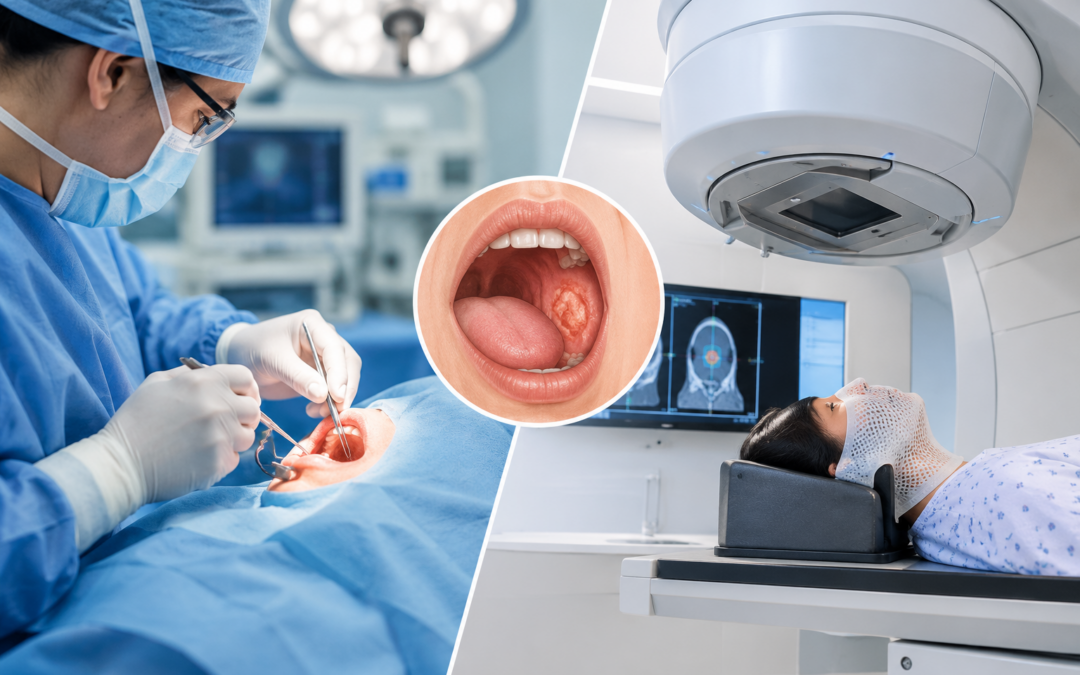
Radical nephrectomy surgery is the surgical removal of an entire kidney, along with the surrounding fat and nearby lymph nodes, used mainly for kidney cancer that’s too large or too centrally located for the kidney to be saved. Surgeons reserve it for tumours where partial nephrectomy isn’t technically feasible, since removing only part of the kidney is preferred whenever it’s safely possible. The procedure can be done through an open incision, laparoscopically, or robotically, and the approach chosen affects recovery time considerably.

According to Dr. Sandeep Nayak, whose surgical practice focuses on minimally invasive kidney cancer surgery, “even when the whole kidney has to come out, doing it through small incisions still gives patients the shorter hospital stay and faster recovery that used to only come with saving the kidney.”

Diagnosed with a large or centrally located kidney tumour?

When Is Radical Nephrectomy Needed?

Surgeons don’t default to radical nephrectomy, they choose it only when specific conditions rule out saving the kidney.

  • Tumour Size — Larger tumours, generally those crossing a certain size threshold, often can’t be removed without taking the whole kidney along with them.
  • Central Location — A tumour sitting deep near the kidney’s blood supply or collecting system frequently can’t be separated from healthy tissue safely.
  • Vascular Involvement — When cancer extends into the renal vein or the inferior vena cava, the entire kidney and the involved vessel segment need removal together.
  • Kidney Function — If the affected kidney is already poorly functioning and the other kidney is healthy, removing the whole organ carries less downside than attempting to save it.

A CT scan is usually enough to confirm the diagnosis and plan the extent of kidney surgery, and a biopsy is rarely needed beforehand. Deciding between radical and partial surgery happens well before the patient reaches the operating table.

How Is the Surgery Performed?

The surgery itself follows a fairly consistent sequence, though the access route varies by case.

  • Vessel Control — Surgeons first isolate and control the renal artery and vein before touching the kidney, since bleeding risk is highest at this step.
  • Kidney Removal — The entire kidney, along with Gerota’s fascia and surrounding fat, comes out as one specimen to keep the tumour fully contained.
  • Lymph Node Sampling — Nearby lymph nodes are often removed at the same time if imaging suggests any risk of spread.
  • Minimally Invasive Access — Laparoscopic or robotic approaches use a handful of small incisions instead of one large one, cutting blood loss and hospital stay.

This is a very different operation from the more conservative approach used when a kidney tumour can be removed without losing the whole organ, and the decision between the two shapes recovery and kidney function alike. Surgeons weigh oncologic safety and future kidney health before settling on either path.

Why Choose Prof. Dr. Sandeep Nayak For Kidney Cancer?

Dr. Sandeep Nayak is a surgical oncologist with over 24 years of experience who has performed radical and partial nephrectomies through laparoscopic and robotic approaches at MACS Clinic and KIMS Hospital. His minimally invasive techniques have earned him recognition including the K. Subhramanyam Robotic Innovation Award.

Choosing between radical and partial nephrectomy affects long-term kidney function, not just cancer control, so this decision deserves an experienced surgical opinion before the operation date is fixed. A radical nephrectomy done precisely the first time protects the remaining kidney’s workload for decades to come.

Frequently Asked Questions

When is radical nephrectomy chosen over partial nephrectomy?

When the tumour is too large, too central, or involves major blood vessels near the kidney.

Is radical nephrectomy always done through open surgery?

No, it can be performed laparoscopically or robotically in most eligible cases.

Can a patient live normally with one kidney?

Yes, most people maintain normal kidney function with a single healthy kidney.

Is a biopsy needed before radical nephrectomy?

Rarely, since CT imaging alone usually diagnoses kidney tumours with high accuracy.

References

    1. PubMed — Surgical Trends and Complications in Partial and Radical Nephrectomy: The GRAND Study
    2. PubMed — The Incidence and Risk Factors of Chronic Kidney Disease After Radical Nephrectomy

Disclaimer: This blog is for informational and educational purposes only and is not a substitute for professional medical advice or diagnosis.
What Is Groin Lymph Node Dissection Surgery?

What Is Groin Lymph Node Dissection Surgery?

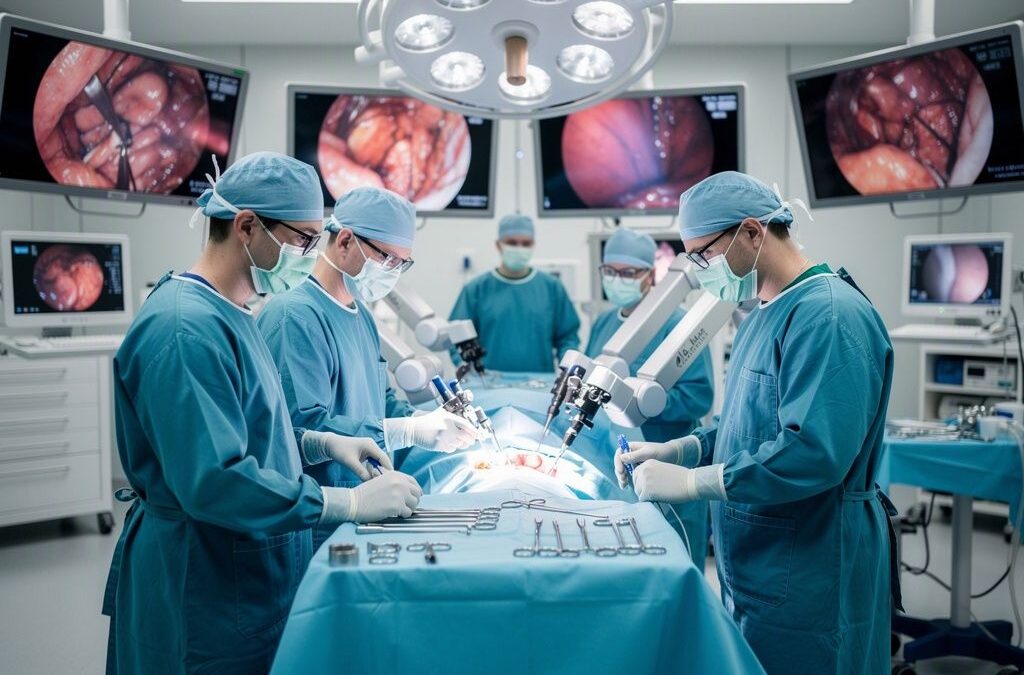
Groin lymph node dissection, also called inguinal block dissection, removes lymph nodes from the groin when cancer has spread there or carries a high risk of doing so. Surgeons use it most often for melanoma of the leg, penile cancer, and vulvar or other gynecological cancers. The procedure can be done through an open incision or through a minimally invasive technique called VEIL, and complication rates differ sharply between the two.

According to Dr. Sandeep Nayak, whose surgical practice focuses on minimally invasive oncologic surgery, “roughly 60% of open groin dissections run into wound-related complications, and that number drops sharply once you move to a minimally invasive approach.”

Diagnosed with a cancer that carries groin lymph node risk?

Why Is Groin Lymph Node Dissection Performed?

Surgeons recommend this procedure for a specific set of cancers where groin nodes are the first likely site of spread.

  • Penile Cancer — Cancer of the penis spreads early to the inguinal nodes, and removing them often decides whether the disease stays curable.
  • Vulvar Cancer — Vulvar cancers follow a similar pattern, draining first into the groin before moving further, which makes node status central to staging.
  • Leg Melanoma — Melanoma arising on the leg or foot drains toward the groin, so surgeons check and often remove these nodes once risk crosses a certain threshold.
  • Node Staging — Even without obvious spread, some patients need the nodes removed just to confirm the stage accurately, since imaging alone can miss small deposits.

An inguinal block or ileo-inguinal groin dissection is the standard procedure for these situations, and the extent removed depends on which nodes carry risk. Choosing the right extent upfront avoids a second, harder surgery later.

How Is the Surgery Performed?

Two broad approaches exist, and the choice between them changes recovery considerably.

  • Open Approach — The traditional open technique gives wide access but carries a high rate of wound breakdown, seroma, and prolonged nursing care afterward.
  • VEIL Technique — Video endoscopic inguinal lymphadenectomy removes the same nodes through small incisions, cutting wound complications while keeping the same nodal yield.
  • Node Removal — The count of nodes removed depends on cancer type, with melanoma and penile cancer sometimes needing both inguinal and iliac regions cleared.
  • Recovery Time — Patients treated with the minimally invasive route typically go home sooner and need far less wound care than those treated openly.

Groin lymph node involvement changes prognosis the same way it does in testicular cancer, where node status often drives the entire treatment plan. Discussing the surgical approach with a specialist before the operation matters just as much as the decision to operate.

Why Choose Prof. Dr. Sandeep Nayak For Groin Lymph Node Dissection?

Dr. Sandeep Nayak is a surgical oncologist with over 24 years of experience who pioneered the lateral approach to VEIL, a technique now practiced at cancer centres worldwide. He has performed more than 10,200 cancer surgeries and specializes in inguinal and iliac block dissections for penile, vulvar, and lower-limb skin cancers.

Choosing a surgeon experienced with VEIL matters, since the open technique still causes wound complications in roughly 60% of cases elsewhere. A dissection planned and executed correctly the first time avoids the extended nursing care that open surgery often demands.

Frequently Asked Questions

When is groin lymph node dissection needed?

It’s needed when penile, vulvar, or leg melanoma carries a confirmed or high risk of nodal spread.

Is VEIL safer than open groin dissection?

Yes, VEIL significantly lowers wound complications compared to the traditional open approach.

How long is recovery after groin lymph node dissection?

Open surgery needs weeks of wound care, while minimally invasive VEIL recovery is notably faster.

Does groin dissection affect leg swelling long-term?

Yes, lymphedema is a recognized long-term risk after removing groin lymph nodes.

References

    1. PubMed — Lymph Node Dissections for T3T4 Stage Penile Cancer Patients: Survival Benefits
    2. PubMed — Higher Rate of Lymphedema with Inguinal versus Axillary Lymph Node Dissection

Disclaimer: This blog is for informational and educational purposes only and is not a substitute for professional medical advice or diagnosis.

Can Testicular Cancer Be Treated Without Removing the Testicle?

Can Testicular Cancer Be Treated Without Removing the Testicle?

In some cases, yes. It’s called testis-sparing surgery, and it lets a surgeon remove just the tumour instead of the entire testicle. It’s not an option for everyone — it works best for small, well-defined tumours, for men with only one functioning testis, or for tumours affecting both sides, and only when hormone levels and tumour size fall within safe limits. For most patients, radical orchiectomy (removing the whole testicle) is still the standard, and it offers the most reliable cure rate. Testis-sparing surgery is kept for the specific situations where preserving hormone function and fertility potential is medically justified — not offered as a default alternative.

According to Prof. Dr. Sandeep Nayak, Robotic Cancer Surgery in Bangalore, the deciding factor isn’t how the tumour looks on imaging beforehand. It comes down to whether the tumour stays small and clearly contained — and that’s confirmed with a frozen section analysis during the surgery itself, not by the scan taken days or weeks earlier.

Not sure if your tumour qualifies for testis-sparing surgery?

What Makes a Tumour Suitable for Testis-Sparing Surgery?

Only a handful of clinical factors actually determine whether preserving the testicle is even on the table.

  • Size matters most. As a general rule, the lesion needs to be under 2 centimetres and take up less than half the testicle’s volume before sparing surgery is realistically considered.
  • A solitary testis changes the calculation. If the other testicle is missing or non-functional, losing the remaining one has a much bigger impact — so sparing surgery moves up the priority list whenever this is the case.
  • Bilateral tumours push things the same direction. When both testicles are affected, either at the same time or one after the other, the goal shifts toward preserving as much healthy tissue as possible on at least one side.
  • Hormones need to check out first. Testosterone and luteinizing hormone should sit within a healthy range going in. When they don’t, it’s usually a sign the disease is more diffuse than sparing surgery can address.

All of this gets worked out as part of a standard testicular cancer evaluation — well before anyone’s decided whether the testicle can be saved.

What Happens to Fertility After This Surgery?

Preserving testicular tissue puts the fertility conversation on very different footing than complete removal does.

  • Hormone production usually holds up. Most patients keep normal hormone levels afterward, simply because enough healthy tissue stays behind and keeps functioning.
  • About half go on to father children naturally. That number moves around a lot depending on how much tissue was preserved and how healthy the sperm was to begin with.
  • Radiotherapy can complicate things. If residual pre-cancerous cells show up in what’s left of the tissue, adjuvant radiotherapy sometimes becomes necessary — and that step on its own can chip away at fertility further.
  • Sperm banking is still worth discussing. Even when the surgery itself preserves fertility, chemotherapy later on can affect sperm independently, so it’s a conversation worth having upfront rather than after the fact.

For a lot of men, this whole conversation actually starts earlier — with questions about why testicular cancer shows up in young men in the first place.

Why Choose Prof. Dr. Sandeep Nayak For Testicular Cancer?

Prof. Dr. Sandeep Nayak holds DNB qualifications in Surgical Oncology and General Surgery, along with a fellowship in Laparoscopic and Robotic Onco-Surgery, and has spent over 24 years handling genuinely complex oncological cases. He currently heads Oncology Services across Karnataka and leads Surgical Oncology and Robotic Surgery at KIMS Hospital. He’s also the surgeon behind the RABIT, MIND, and L-VEIL techniques.

At MACS Clinic, every testicular cancer case is checked for organ preservation potential before radical surgery is assumed to be the only route forward — because a tumour that looks straightforward on a scan can still change the plan once the frozen section results come back mid-surgery. Patients leave the consultation understanding exactly why one option was chosen over another. Nobody’s left guessing.

Frequently Asked Questions

Is testis-sparing surgery available for all testicular tumours?

No — only small, well-contained tumours that meet strict size and hormone criteria qualify.

Does testis-sparing surgery affect testosterone production?

Not usually in any significant way, since enough healthy tissue typically stays functional afterward.

Can I still father children after testis-sparing surgery?

Many men can, though it really depends on how much tissue was preserved and the health of the sperm.

Is radiotherapy always needed after testis-sparing surgery?

No — only when residual pre-cancerous cells turn up in the leftover tissue.

References

  1. National Cancer Institute: Prostate Cancer Treatment. https://www.cancer.gov/types/prostate
  2. World Health Organisation: Cancer. https://www.who.int/news-room/fact-sheets/detail/cancer

Disclaimer: This blog is for informational and educational purposes only and is not a substitute for professional medical advice or diagnosis.

Call Now Button