What Is Multivisceral Resection in Cancer Surgery?

What Is Multivisceral Resection in Cancer Surgery?

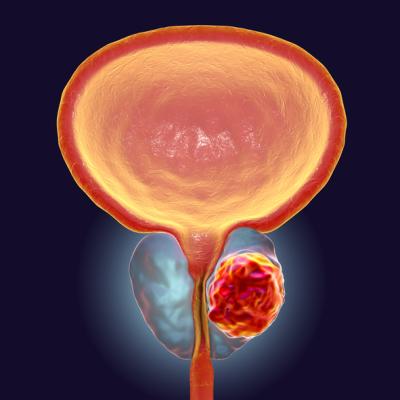
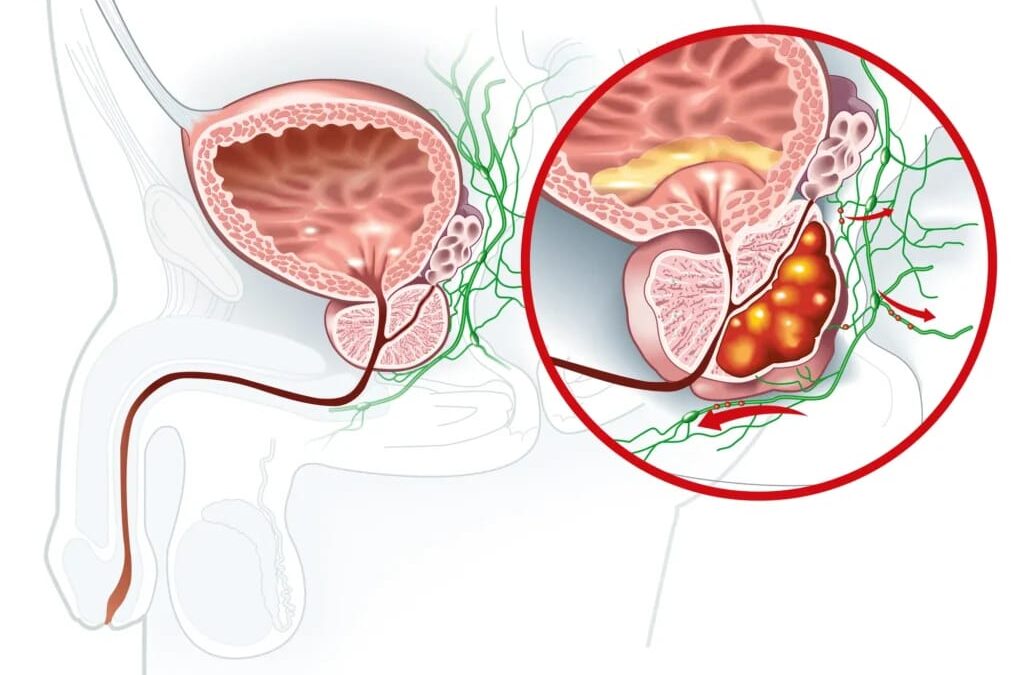
Multivisceral resection (MVR) is a complex, en bloc surgical procedure that removes a primary cancerous tumor along with one or more adjacent organs or tissues that have been invaded. Used primarily for advanced (T4) cancers most commonly colorectal, pancreatic, or gastric it aims for curative (R0) resection where complete removal was previously thought impossible. 

According to Prof. Dr. Sandeep Nayak, Surgical Oncologist in India, “leaving an involved organ behind to make the operation easier is not actually easier for the patient. An incomplete cancer resection rarely changes the disease course in their favour.”

Dealing with a cancer that’s grown into surrounding structures and need an honest surgical assessment?

What Does the Procedure Actually Involve?

The operation looks different in every case but the governing principle stays fixed regardless of which organs end up being removed.

  • En Bloc Removal: The tumour and every invaded adjacent structure come out as one connected piece, not separated and removed individually. Cutting through the point of invasion to remove organs separately risks leaving cancer cells precisely where the operation was meant to clear them.
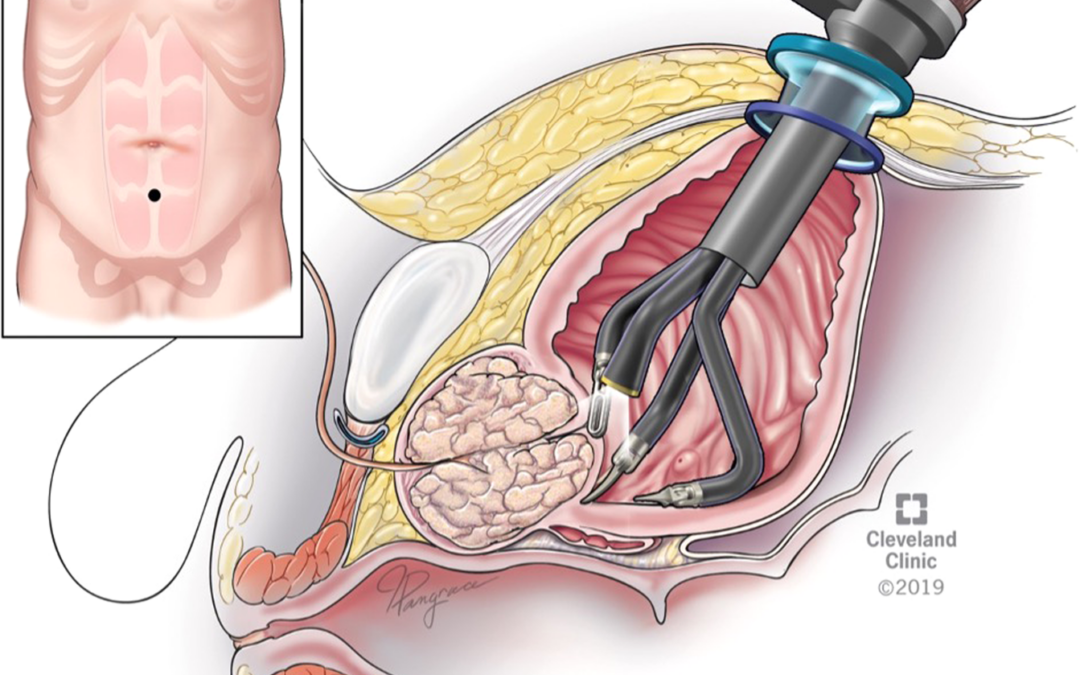
  • Which Organs Get Removed: Colorectal cancers growing into the bladder or uterus, gastric cancers reaching the spleen or pancreas tail, and pelvic tumours involving multiple adjacent structures are the most common scenarios where laparoscopic cancer surgery or open multivisceral resection becomes the plan.
  • Reconstruction in the Same Session: Removing multiple organs creates defects that need repair before the patient leaves theatre. Bowel joins, urinary diversions and soft tissue coverage are all planned before the patient goes to the operating table.
  • Long Operating Time: These procedures typically run six to ten hours and require a team experienced across multiple organ systems. A single specialist in one anatomical area isn’t the right surgeon for this operation.

Patient fitness, tumour extent and the realistic prospect of clear margins all determine whether the tumour board recommends this approach or a different one.

When Does the Team Recommend Multivisceral Resection?

The decision is never made lightly because the procedure carries real physiological burden and only makes clinical sense in specific circumstances.

  • Locally Advanced Without Distant Spread: When a tumour has grown directly into a neighbouring organ but hasn’t reached distant sites, removing both structures together offers a genuine chance at curative resection. That window closes if distant metastases are present.
  • Clear Margins Are Achievable: The entire point of the operation is complete tumour clearance. If the team believes clear margins across all removed structures are possible, the complexity is justified. If they’re not achievable even with multivisceral resection, the risk calculation shifts considerably.
  • Patient Can Tolerate It: Six to ten hours of surgery followed by recovery from multiple organ removal demands good baseline fitness. Someone too frail or malnourished going in will not recover well regardless of how cleanly the operation goes, and robotic cancer surgery techniques at high-volume centres are increasingly applied in selected cases where minimally invasive approaches reduce the physiological burden.
  • Tumour Board Consensus: No single surgeon decides to proceed with multivisceral resection alone. The full team reviews the case, the imaging, the fitness assessment and the realistic oncological benefit before any patient is listed for this operation.

Every multivisceral resection decision goes through full tumour board discussion first, and for more on how complex cancer surgery decisions are made, our blog on minimally invasive cancer surgery covers surgical approaches in detail.

Why Choose Dr. Sandeep Nayak for Cancer Surgery?

Dr. Sandeep Nayak brings 24 years of surgical oncology experience, DNB qualifications in Surgical Oncology and General Surgery and a fellowship in Laparoscopic and Robotic Onco-Surgery to complex multi-organ cancer resections across colorectal, gastric, gynaecological and retroperitoneal cancer types. He heads Oncology Services across Karnataka and leads cancer surgery at KIMS Hospital, Bangalore, with originator credits for RABIT, MIND and L-VEIL techniques and over 25 published clinical studies. Patients with locally advanced cancers invading adjacent structures are seen here with every decision going through tumour board review. Call +91 8104310753 to book your consultation.

Frequently Asked Questions

Which cancers most often require multivisceral resection?

Colorectal cancers invading the bladder or uterus, gastric cancers reaching the spleen or pancreas and pelvic tumours involving multiple adjacent structures.

How long does the surgery typically take?

Most multivisceral resections run between six and ten hours depending on which organs are involved and what reconstruction is performed.

Is multivisceral resection always done with curative intent?

In most cases it is performed with curative intent when no distant metastases are present and clear margins across all structures are achievable.

How long is recovery after multivisceral resection?

Recovery takes six to twelve weeks depending on which organs were removed and the extent of reconstruction performed during the operation.

Reference Links-

  1. National Cancer Institute — Cancer Surgery
  2. National Institutes of Health — Multivisceral Resection in Oncology
  • Disclaimer: The information shared in this content is for educational purposes and not for promotional use.

 What Is a Surgical Margin in Cancer Surgery?

 What Is a Surgical Margin in Cancer Surgery?

A surgical margin is the rim of normal, healthy tissue surrounding a removed tumor, analyzed by a pathologist to determine if all cancer was successfully excised. Negative margins mean no cancer cells are at the edge, indicating complete removal, while positive margins show cancer at the edge, often requiring further surgery to reduce recurrence

According to Prof. Dr. Sandeep Nayak, Surgical Oncologist in India, “the margin result tells us whether we actually achieved what we went in to do. It’s the most direct measure of whether a cancer operation succeeded oncologically.”

Waiting on pathology results and want to understand what margin status means for you?

What Do Different Margin Results Mean?

Pathologists report margins in specific categories and each one carries a different clinical implication for the next step.

  • Clear Margin: No cancer cells at the edge of the removed tissue. This is the target for every cancer resection and when it’s achieved the operation is complete from an oncological standpoint without the patient needing to return for more surgery.
  • Close Margin: Cancer cells sit very near the edge but don’t reach it. What counts as too close varies by cancer type — breast cancer treatment guidelines define acceptable margin width differently from colorectal or head and neck guidelines.
  • Positive Margin: Cancer reaches the edge of the specimen, meaning the tumour may not have been completely removed. Re-excision to take more tissue is typically recommended unless the risks of repeat surgery outweigh the benefit for that specific patient.
  • Margin Width: Even within clear results, width matters. A 2mm clear margin gives more confidence than a 0.5mm one in the same cancer type, which is why surgeons aim for the widest clear margin the local anatomy and function permit.

Pathology measures and reports margins according to the cancer type and the surgical team interprets those numbers within the full clinical picture before deciding what comes next.

What Happens When Margins Are Not Clear?

A positive or very close margin doesn’t mean the operation failed but the treatment plan needs to continue rather than stop at surgery.

  • Re-excision: Returning to theatre to remove more tissue from the affected area is the most straightforward response. For lumpectomy this typically means a wider local excision booked as soon as healing from the first operation allows.
  • Radiation Instead: Where re-excision would significantly compromise function or appearance, radiation to the operative site addresses residual microscopic disease without a return to theatre. The oncology team decides which approach produces better overall outcomes.
  • Mastectomy After Lumpectomy: When clear margins can’t be achieved through re-excision, conversion to mastectomy becomes the appropriate step and robotic cancer surgery or conventional mastectomy is planned with reconstruction discussed alongside it.
  • Intraoperative Assessment: High-volume centres perform frozen section analysis of the margin during surgery itself, letting the surgeon take more tissue immediately rather than waiting days for the final pathology report to confirm a problem.

Margin status goes to tumour board and the decision about what happens next is made collectively, and for more on how cancer surgery decisions are reached, our blog on cancer surgery covers this in detail.

Why Choose Dr. Sandeep Nayak for Cancer Surgery?

Dr. Sandeep Nayak brings 24 years of surgical oncology experience, DNB qualifications in Surgical Oncology and General Surgery and a fellowship in Laparoscopic and Robotic Onco-Surgery to every cancer resection where clear margins are the primary surgical objective. He heads Oncology Services across Karnataka and leads cancer surgery at KIMS Hospital, Bangalore, with originator credits for RABIT, MIND and L-VEIL techniques and over 25 published clinical studies. Patients dealing with positive margins or unclear pathology findings are seen here with every decision going through tumour board review. Call +91 8104310753 to book your consultation.

Frequently Asked Questions

What does a clear margin mean after cancer surgery?

No cancer cells reach the edge of the removed tissue, confirming the tumour was fully excised during the operation.

What happens if the surgical margin comes back positive?

Re-excision surgery or targeted radiation to the site is recommended depending on cancer type, location and tumour board decision.

How wide does a surgical margin need to be?

Acceptable width varies by cancer type with specific guidelines for breast, colorectal, head and neck and other sites.

Can radiation replace re-excision for a positive margin?

In selected cases radiation to the operative bed effectively treats residual microscopic disease without a second operation.

Reference Links-

  1. National Cancer Institute — Cancer Surgery and Margins
  2. National Institutes of Health — Surgical Margins in Oncology
  • Disclaimer: The information shared in this content is for educational purposes and not for promotional use.

Dense Breast Tissue and Cancer Risk Explained

Dense Breast Tissue and Cancer Risk Explained

Breasts are made up of glandular tissue, fibrous connective tissue and fat. When glandular and fibrous tissue dominate over fat, the breast is considered dense. Around half of all women have it and it is entirely normal. The clinical significance comes from two things: dense tissue modestly raises cancer risk and it makes mammograms significantly harder to read because tumours and dense tissue look identical on the image.

According to Prof. Dr. Sandeep Nayak, Surgical Oncologist in India, “women with dense breasts aren’t in danger just because of the density itself. What matters is understanding how it affects screening and making sure the right imaging is being used to find what mammography alone might miss.”

Been told you have dense breasts and want clarity on what that means?

What Is Dense Breast Tissue and How Is It Measured?

Density is a radiological finding reported on mammography and most women don’t know their category until they read the report or ask their doctor directly.

  • Four Density Categories: Radiologists grade breast density from almost entirely fatty at one end to extremely dense at the other using the BI-RADS classification system. The two higher categories are where supplemental screening becomes a clinical consideration worth discussing.
  • What Causes It: Age, hormonal status, genetics and body weight all play a role. Pre-menopausal women tend to have denser breasts and density commonly reduces after menopause, though not predictably in every woman.
  • The Mammogram Problem: Tumours appear white on mammography and so does dense glandular tissue. A cancer sitting inside dense breast tissue can be completely hidden by surrounding tissue, which is why standard mammography alone gives meaningfully less protection to women with breast cancer treatment risk factors and high density combined.
  • Not the Same as Lumpy Breasts: Density is a radiological measurement, not something felt on examination. A woman with extremely dense tissue on imaging may feel no abnormality at all during self-examination or clinical assessment.

Most women don’t know their breast density unless they specifically ask for it to be reported, and asking is worth doing.

Does Dense Breast Tissue Actually Increase Cancer Risk?

The short answer is yes, but the context behind that matters as much as the number.

  • Real but Moderate Risk: Women in the two highest density categories have roughly two to four times the breast cancer risk of women with predominantly fatty breasts. That sounds significant but most women with dense breasts never develop cancer and density is one factor among many rather than a standalone predictor.
  • Tumours Get Hidden: The masking problem is arguably more practically important than the risk elevation itself. Dense tissue obscures cancers that would be visible in a fatty breast, meaning interval cancers picked up between scheduled mammograms are more common in this group than in lower-density women.
  • Supplemental Imaging Helps: Ultrasound finds additional cancers that mammography misses in dense breast tissue. MRI finds more still but is typically reserved for women who combine high density with other significant risk factors like a BRCA mutation or strong family history.
  • Not a Reason to Panic: Most women with dense breasts never develop cancer and robotic cancer surgery or other treatment is only relevant if cancer is actually diagnosed. The point of knowing density is to screen smarter, not to create unnecessary anxiety about a normal anatomical variation.

Dense tissue is manageable with the right screening plan and for more on breast cancer surgery options when something is found, our blog on latissimus dorsi covers post-surgical reconstruction in detail.

Why Choose Dr. Sandeep Nayak for Breast Cancer Treatment?

Dr. Sandeep Nayak brings 24 years of surgical oncology experience, DNB qualifications in Surgical Oncology and General Surgery and a fellowship in Laparoscopic and Robotic Onco-Surgery to breast cancer assessment including cases identified through dense breast supplemental screening. He heads Oncology Services across Karnataka and leads breast cancer surgery at KIMS Hospital, Bangalore, with originator credits for RABIT and over 25 published clinical studies. Women with dense breasts, elevated risk or abnormal screening findings are seen here with every decision going through tumour board review. Call +91 8104310753 to book your consultation.

Frequently Asked Questions

How do I find out if I have dense breast tissue?

Breast density is included in mammography reports and women can ask their radiologist or referring clinician for their specific density category.

Does breast density decrease after menopause?

Density typically reduces after menopause in most women though some retain significant density through their postmenopausal years.

What extra screening is recommended for dense breasts?

Ultrasound alongside mammography is the most common addition for dense breasts with MRI reserved for women who also carry other high-risk factors.

Can dense breast tissue be detected by self-examination?

Density cannot be assessed by touch and is only measurable through mammographic imaging interpreted by a radiologist.

Reference Links-

  1. National Cancer Institute — Breast Density and Cancer Risk
  2. World Health Organization — Breast Cancer Screening
  • Disclaimer: The information shared in this content is for educational purposes and not for promotional use.

How Is Silent Ovarian Cancer Detected?

How Is Silent Ovarian Cancer Detected?

Ovarian cancer is called silent because it produces no specific early symptoms. Bloating, pelvic discomfort, frequent urination and early satiety are the four most commonly reported early indicators but all four are easily attributed to gut or urinary conditions. Most cases in India are diagnosed at Stage 3 or Stage 4. Detection before symptoms appear happens through incidental ultrasound findings, CA-125 testing in high-risk women and surveillance in confirmed BRCA1 or BRCA2 mutation carriers.

According to Prof. Dr. Sandeep Nayak, Surgical Oncologist in India,
“Ovarian cancer doesn’t announce itself. The women who get diagnosed early are almost always those in a surveillance programme or those whose general physician investigated persistent vague symptoms rather than treating them empirically.”

Have persistent unexplained pelvic or abdominal symptoms and want a specialist assessment?

How Is Silent Ovarian Cancer Actually Detected?

Detection relies on imaging, tumour markers and structured surveillance in high-risk women rather than population-wide screening which has not shown benefit in average-risk populations.

  • Pelvic Ultrasound: Transvaginal ultrasound is the primary imaging tool for detecting adnexal masses and ovarian cancer treatment assessment at KIMS Hospital, Bangalore begins with transvaginal ultrasound combined with CA-125 for any woman presenting with persistent pelvic symptoms or an incidental adnexal finding on imaging.
  • CA-125 Tumour Marker: CA-125 is elevated in most epithelial ovarian cancers but is not specific enough for population screening because it is also elevated in endometriosis, fibroids and pelvic inflammatory disease, making it most useful in combination with ultrasound findings rather than as a standalone test.
  • BRCA Surveillance Protocol: Confirmed BRCA1 or BRCA2 mutation carriers who have not had risk-reducing salpingo-oophorectomy are offered six-monthly transvaginal ultrasound and CA-125 testing from age 30 to 35, recognising this surveillance has limitations but providing structured monitoring until preventive surgery is performed.
  • Incidental Detection: A significant proportion of early ovarian cancers are detected incidentally on ultrasound ordered for an unrelated reason, underscoring the clinical value of investigating persistent non-specific pelvic or abdominal symptoms with imaging rather than empirical treatment.

No population-wide screening tool has demonstrated mortality benefit for ovarian cancer in average-risk women. Surveillance is reserved for confirmed high-risk individuals.

Who Needs Active Surveillance for Silent Ovarian Cancer?

Structured ovarian cancer surveillance is clinically indicated in specific high-risk groups rather than recommended broadly.

  • BRCA1 and BRCA2 Carriers: BRCA1 carriers face a 39 to 46 percent lifetime ovarian cancer risk and BRCA2 carriers face 12 to 20 percent and robotic cancer surgery or laparoscopic risk-reducing bilateral salpingo-oophorectomy between ages 35 and 40 for BRCA1 and 40 to 45 for BRCA2 remains the most effective intervention to reduce this risk.
  • Strong Family History: Women with two or more first-degree relatives with ovarian or breast cancer, particularly diagnosed before age 50, warrant genetic counselling and BRCA testing before any surveillance programme is initiated rather than empirical surveillance without mutation confirmation.
  • Lynch Syndrome Carriers: Lynch syndrome is associated with an 8 to 10 percent lifetime ovarian cancer risk and annual gynaecological review with transvaginal ultrasound is recommended from age 30 to 35 in confirmed carriers as part of the broader Lynch syndrome surveillance protocol.
  • Persistent Vague Symptoms: Any woman over 50 with bloating, pelvic discomfort, early satiety or urinary frequency persisting for more than three weeks without a clear cause warrants immediate transvaginal ultrasound and CA-125 rather than empirical management for irritable bowel or urinary tract symptoms.

Early ovarian cancer detected through surveillance is surgically curable and for more on how specialist second opinions change cancer outcomes, our blog on second opinion covers this in detail.

Why Choose Dr. Sandeep Nayak for Ovarian Cancer Surgery ?

Dr. Sandeep Nayak brings 24 years of surgical oncology experience, DNB qualifications in Surgical Oncology and General Surgery and a fellowship in Laparoscopic and Robotic Onco-Surgery to ovarian cancer surgery including cytoreductive surgery and HIPEC at KIMS Hospital, Bangalore. He heads Oncology Services across Karnataka with originator credits for RABIT, MIND and L-VEIL techniques and over 25 published clinical studies. Patients with ovarian masses, high-risk genetic profiles or ovarian cancer diagnoses are seen here with every case reviewed through tumour board. Call +91 8104310753 to book your consultation.

Frequently Asked Questions

Can ovarian cancer be detected before symptoms appear?

Early ovarian cancer can be detected through transvaginal ultrasound and CA-125 surveillance in confirmed BRCA1 or BRCA2 mutation carriers and women with strong family history.

Is CA-125 a reliable screening test for ovarian cancer?

CA-125 is not recommended for population screening because it is elevated in benign conditions. It is most useful combined with ultrasound findings in symptomatic or high-risk women.

Who should have ovarian cancer surveillance in India?

Confirmed BRCA1 or BRCA2 carriers, Lynch syndrome patients and women with two or more first-degree relatives with ovarian cancer require structured specialist surveillance.

What symptoms in women warrant immediate ovarian cancer investigation?

Persistent bloating, pelvic discomfort, early satiety or urinary frequency lasting more than three weeks in women over 50 warrant immediate transvaginal ultrasound and CA-125 testing.

References

    1. National Cancer Institute — Ovarian Cancer Screening
    2. World Health Organization — Ovarian Cancer
  • Disclaimer: The information shared in this content is for educational purposes and not for promotional use.
What Causes Adrenal Tumours to Turn Cancerous?

What Causes Adrenal Tumours to Turn Cancerous?

Most adrenal tumours are benign adenomas that never become cancerous. Malignant transformation into adrenocortical carcinoma occurs in less than 10 percent of cases. Confirmed risk factors include tumour size over 4cm, TP53 gene mutation, IGF2 overexpression and hereditary syndromes including Li-Fraumeni and MEN1. Size is the most actionable clinical predictor. Tumours over 4cm carry significantly higher malignancy risk and require surgical removal regardless of hormonal activity.

According to Prof. Dr. Sandeep Nayak, Surgical Oncologist in India,
“Size and imaging characteristics tell us more than any single test. A tumour over 4cm that looks heterogeneous on CT needs to come out.”

Have an adrenal tumour and want a specialist malignancy risk assessment?

What Causes Adrenal Tumours to Become Malignant?

Several biological and imaging factors distinguish adrenal tumours at risk of malignancy from those that remain benign throughout a patient’s lifetime.

  • Size Over 4cm: Tumour size is the single most reliable clinical predictor of malignancy and adrenal tumour assessment at KIMS Hospital, Bangalore applies 4cm as the threshold for recommending surgical removal regardless of hormonal status.
  • TP53 Gene Mutation: Germline TP53 mutations are present in up to 80 percent of paediatric adrenocortical carcinoma cases and a significant proportion of adult cases, making genetic testing important in young patients or those with Li-Fraumeni syndrome family history.
  • IGF2 Overexpression: Overexpression of the insulin-like growth factor 2 gene drives malignant transformation in adrenocortical cells and is identified in the majority of adrenocortical carcinoma specimens, making it both a malignancy marker and an active therapeutic target.
  • Suspicious Imaging Features: Heterogeneous appearance, irregular borders, internal necrosis and unenhanced CT attenuation above 10 Hounsfield units all indicate malignant biology rather than the uniform lipid-rich pattern typical of a benign adenoma.

Size and imaging together determine the surgical decision more reliably than hormonal testing alone.

Which Adrenal Tumours Need Removal Before Turning Cancerous?

Certain adrenal tumour characteristics make surgical removal the appropriate clinical decision before malignant transformation can be confirmed histologically.

  • All Tumours Over 4cm: An adrenal tumour over 4cm warrants adrenalectomy regardless of hormonal activity and robotic cancer surgery at KIMS Hospital, Bangalore offers minimally invasive adrenalectomy with shorter hospital stay and faster recovery than open surgery for most cases.
  • Growing Incidentalomas: An adrenal incidentaloma growing more than 1cm on repeat imaging within six to twelve months requires surgical removal rather than continued surveillance regardless of absolute size at detection.
  • Hormonally Active Tumours: Phaeochromocytomas, aldosteronomas and cortisol-secreting adenomas carry surgical indications based on hormonal activity rather than malignancy risk alone and all require specialist evaluation before any surgical or surveillance decision is made.
  • Hereditary Syndrome Carriers: Patients with confirmed MEN1, MEN2, Von Hippel-Lindau or Li-Fraumeni syndrome need more aggressive surveillance and lower size thresholds for surgical intervention because their genetic background significantly raises malignancy risk.

Any adrenal tumour with suspicious imaging, growth on surveillance or size over 4cm needs specialist assessment and for more on how cancer diagnosis is confirmed, our blog on cancer diagnosis covers this in detail.

Why Choose Dr. Sandeep Nayak for Adrenal Tumour Surgery ?

Dr. Sandeep Nayak brings 24 years of surgical oncology experience, DNB qualifications in Surgical Oncology and General Surgery and a fellowship in Laparoscopic and Robotic Onco-Surgery to adrenal tumour surgery including robotic-assisted adrenalectomy for benign, indeterminate and malignant adrenal lesions at KIMS Hospital, Bangalore. He heads Oncology Services across Karnataka with originator credits for RABIT and over 25 published clinical studies. Patients with adrenal tumours wanting clarity on malignancy risk and surgical options are seen here with every case reviewed through tumour board. Call +91 8104310753 to book your consultation.

Frequently Asked Questions

What size adrenal tumour indicates cancer risk?

Adrenal tumours over 4cm carry significantly higher malignancy risk and surgical removal is recommended regardless of hormonal activity or other clinical findings.

Is adrenocortical carcinoma hereditary?

TP53 mutations are found in the majority of paediatric cases and a significant proportion of adult adrenocortical carcinoma cases, making genetic testing important in younger patients.

Can a benign adrenal tumour become cancerous over time?

Most benign adrenal adenomas remain benign. Growth over 1cm on repeat surveillance imaging or the development of suspicious imaging features warrants surgical removal.

How is adrenal malignancy confirmed before surgery?

CT attenuation values, tumour size, growth rate and imaging morphology are the primary indicators. Biopsy is rarely used as it risks bleeding and tumour seeding in adrenal lesions.

Reference Links-

  1. National Cancer Institute — Adrenal Cancer Diagnosis and Treatment
  2. World Health Organization — Cancer Early Detection
  • Disclaimer: The information shared in this content is for educational purposes and not for promotional use.