support@macsclinic.com
+91 9482202240
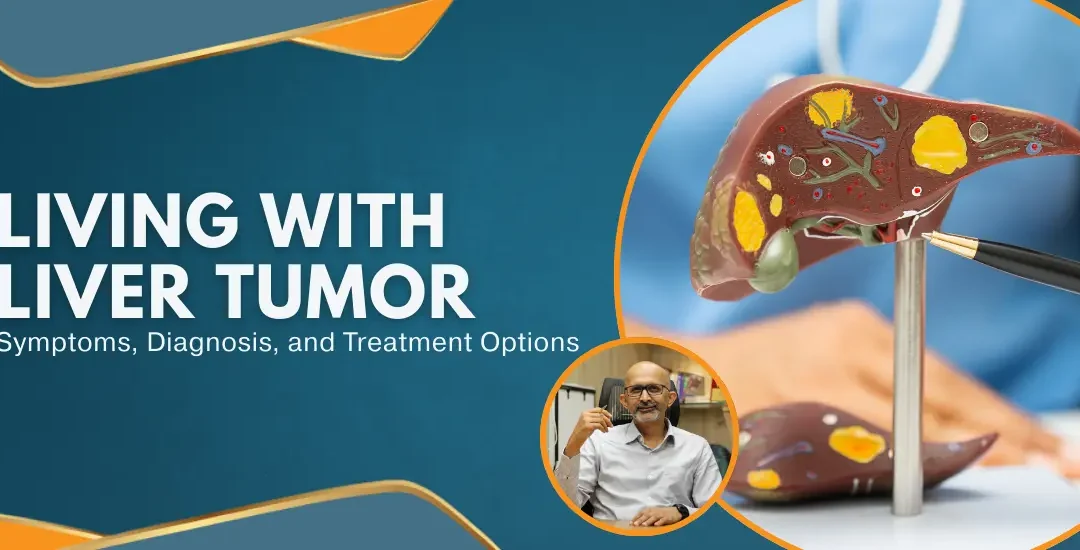
Living With Liver Tumor – Symptoms, Diagnosis, and Treatment Options

Living With Liver Tumor – Symptoms, Diagnosis, and Treatment Options

The liver is one of the body’s biggest and most crucial organs. It is essential for digestion, metabolism, and detoxification. Unfortunately, the liver can be affected by several illnesses, including liver tumors, just like any other organ. Many people find liver tumors a scary reality filled with dread, anxiety, and confusion.

“The liver is a crucial organ for maintaining the health of our body, so if anything goes wrong, it can be devastating,” says Dr. Sandeep Nayak, a renowned Surgical Oncologist in India.

 Surgical Oncologist

Having queries and worries about a vital organ like the liver is normal. So read on if you have a liver tumor, know someone who does, or want to learn more. This blog will explore the various types of liver tumors, their signs and symptoms, causes, and treatment options.

About Liver tumor

About Liver tumorA liver tumor, also called a hepatic tumor, is an abnormal growth or aggregation of cells in the liver. It could originate from the liver cells or tissues and be benign or malignant. Liver tumors can develop for a number of reasons, such as infection, chronic liver disease, and toxin exposure.

While some liver tumors may not show symptoms, others might be painful or uncomfortable. The tumor’s size and location may affect liver function and general health. Monitoring liver health through regular checkups and keeping a healthy lifestyle is crucial to lowering the risk of developing liver tumors.

“Regular visits to a medical professional can help detect the onset of a liver condition and treat it before it progresses into a full-fledged liver cancer,” advises laparoscopic surgeon Dr. Sandeep Nayak.

Difference between Liver tumor & Liver cancer

A liver tumor is any abnormal growth or cell mass that forms in the liver. It can be benign (noncancerous) or malignant (cancerous). Benign tumors are typically not life-threatening and can be removed surgically. Malignant tumors can spread to other body regions and need immediate treatment.

Hepatic cancer, another name for liver cancer tumor, refers specifically to a malignant tumor that develops in the liver. The cancerous condition begins in the liver’s cells and can potentially spread to other organs. Hepatocellular carcinoma (HCC) is the most prevalent type of liver cancer out of several others.

“A liver tumor is a general term that refers to any abnormal growth in the liver,” explains robotic cancer surgeon Dr. Sandeep Nayak, “while liver cancer specifically refers to a malignant tumor that originates in the liver.”

Let us take a look at the common types of liver tumors.

Different types of liver tumors

Hemangioma:

The most common benign liver tumor, it is made of blood vessels and is usually tiny and symptomless.

Hepatocellular adenoma:

A benign liver tumor more frequently found in women can become huge and cause pain or other symptoms. It is commonly linked to the use of oral contraceptives.

Focal nodular hyperplasia (FNH):

Usually a tiny and asymptomatic non cancerous liver tumor, it comprises healthy liver cells organized abnormally.

Hepatocellular carcinoma (HCC):

The most common malignant tumor of liver, which starts in liver cells and can spread to other body organs.

Cholangiocarcinoma:

Less frequent than HCC, cholangiocarcinoma is a form of liver cancer that develops in the cells lining the bile ducts. It can be aggressive and challenging to cure.

Angiosarcoma: 

An uncommon type of liver cancer arising in the cells lining the blood vessels in the liver, often due to exposure to certain chemicals or radiation.

Metastatic liver cancer:

The most prevalent type of liver cancer in adults, it is cancer that has progressed from another organ, such as the colon, breast, or lung, to the liver.

While the root cause of each type of liver tumor can differ, a number of common factors can raise the chance of developing liver tumors.

Causes and risk factors for liver tumors

Listed below are some common causes and risk factors for liver tumors:

Chronic liver disease: 

Liver tumors can be more likely to form in people with chronic liver disease, such as cirrhosis, nonalcoholic fatty liver disease (NAFLD), or hepatitis B or C.

Environmental factors: 

Exposure to chemicals or poisons can raise the risk of developing liver tumors. Examples of such chemicals include vinyl chloride, arsenic, and aflatoxins, produced by a particular form of mold.

Lifestyle factors: 

Heavy drinking, smoking, and obesity increase the chance of developing liver tumors.

Family history: 

Liver tumours are more likely to occur in those with a family history of them or with certain genetic disorders such as hereditary hemochromatosis.

Age and gender: 

Older persons and men are more likely to develop liver tumours.

Diabetes: 

Liver tumours are more likely to form in people with diabetes.

Metabolic disorders: 

Alpha-1 antitrypsin deficiency and Wilson’s disease are two examples of metabolic abnormalities that can raise the chance of developing liver tumors.

“Having one or more of these risk factors does not guarantee a person will develop a liver tumor,” says oncological surgeon Dr. Sandeep Nayak. “Liver tumors can also occur in persons who do not have any known risk factors.”

Let us look at the symptoms and diagnostic tests to detect liver tumors.

Symptoms of liver tumor

liver tumorA liver tumor may cause the following symptoms:

  • Abdominal pain or discomfort
  • Swelling or enlargement of the abdomen
  • Loss of appetite or weight loss
  • Nausea or vomiting
  • Jaundice (yellowing of the skin and eyes)
  • Fatigue or weakness
  • Pale or clay-colored stools
  • Dark urine

If you experience any of the above symptoms, please consult Dr. Sandeep Nayak to assess your condition and run some essential diagnostic tests.

Diagnostic tests for liver tumor include:

Diagnostic tests for liver tumorBlood tests: 

Blood tests may be done to check liver function, including liver enzyme levels and tumor markers.

Imaging tests:

Imaging tests such as liver tumor ultrasound, CT scan, MRI, or PET scan can detect liver tumors and determine their size, location, and spread.

Biopsy: 

A small sample of liver tissue may be examined under a microscope to determine if it is cancerous or benign.

Angiography:

A dye is injected into an artery in the liver to help visualize blood vessels and detect abnormalities.

Laparoscopy: 

A tiny camera is inserted through a small incision in the abdomen to allow the doctor to see the liver and any tumors up close.

Endoscopy: 

A thin, flexible tube with a camera on the end is passed down the throat and into the stomach to examine the liver and bile ducts.

Not all liver tumors cause symptoms; some may be detected incidentally during routine medical tests or exams.

“You must not ignore any discomfort or abnormalities in your body or sensations,” cautions cancer specialist Dr. Sandeep Nayak. “Early detection makes it possible to look at the best possible liver tumor treatment options for optimum results.”

Liver tumor treatment

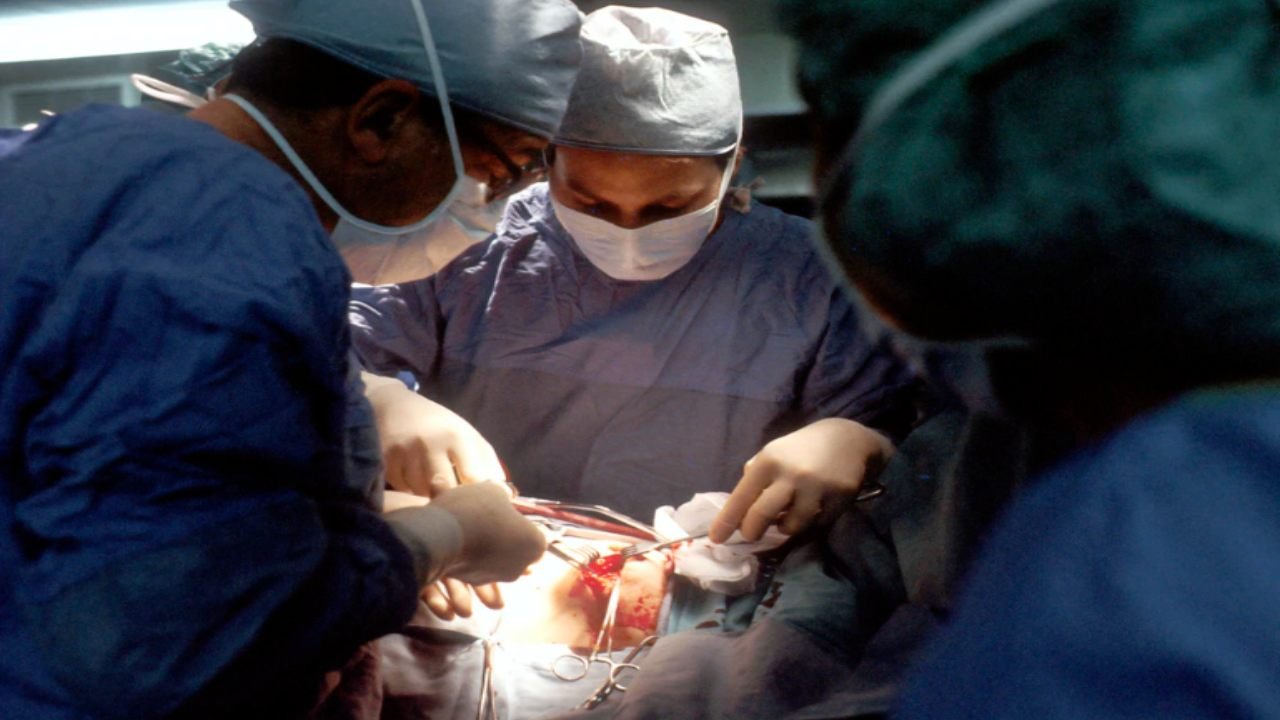
Oncological surgeon Dr. Sandeep Nayak performs the following procedures frequently for liver Cancer Treatment in Bangalore.

The treatment choices for liver tumors depend on the size and location, the stage of the malignancy, and the patient’s overall health. 
https://iswantosucandyliversurgery.com/

Liver Tumor Treatment

  • Surgery: 

Liver tumor surgery is frequently used if the tumor is confined and can be removed safely without harming healthy liver tissue. The most common liver surgery to remove tumor is hepatectomy, which involves removing a part of the liver.

  • Liver transplant: 

On occasion, a liver transplant may be necessary if the tumor is too large or located in a location that cannot be removed surgically. Only patients who meet specific criteria and can access a suitable donor liver are eligible to employ this approach.

  • Radiation: 

High-energy radiation is used to eliminate cancer cells. The delivery is possible internally directly to the liver (brachytherapy) or externally (external beam radiation).
https://www.asbestos.com/s

Key Statistics on Chemotherapy Treatment, Costs and Survival (2020)

  • Chemotherapy: 

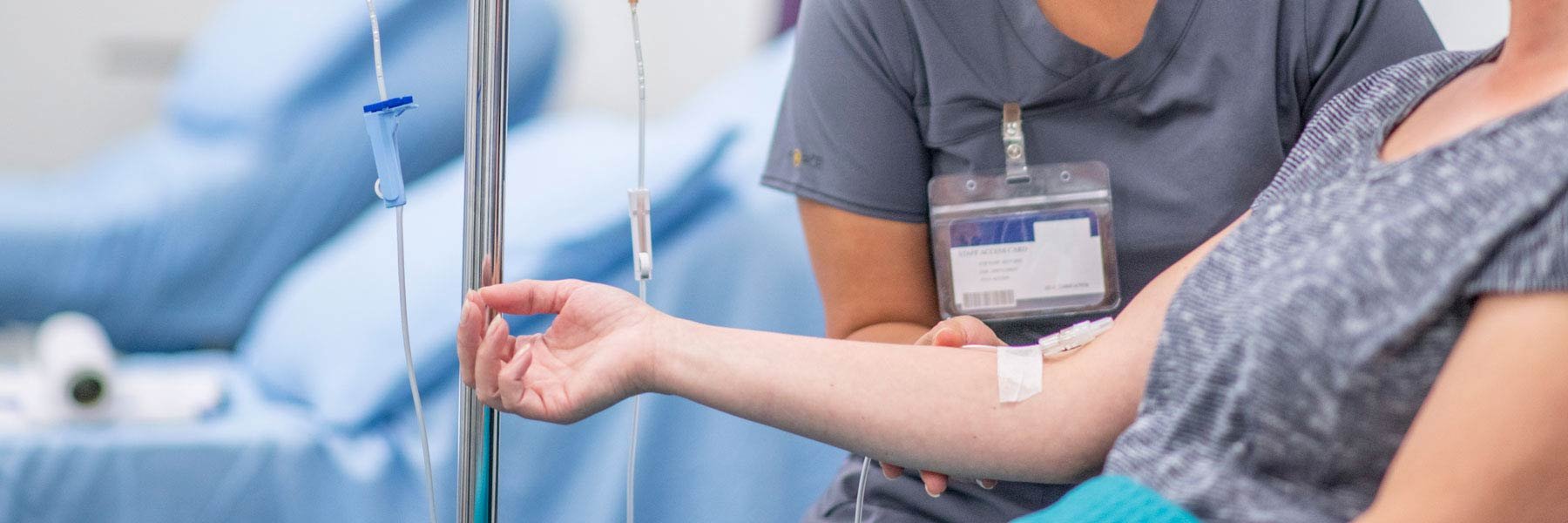
Chemotherapy uses drugs, administered orally or intravenously, to eradicate cancer cells from the liver and other body parts. 

  • Targeted therapy: 

Drugs used in targeted therapy directly target cancer cells and stop their division and growth. They may be utilized separately or in conjunction with other treatments.

  • Ablation therapy: 
https://img1.wsimg.com/

This technique applies heat or cold to kill liver tumors. The medical professional can administer this through a tiny skin incision or a needle into the liver.

  • Embolization: 

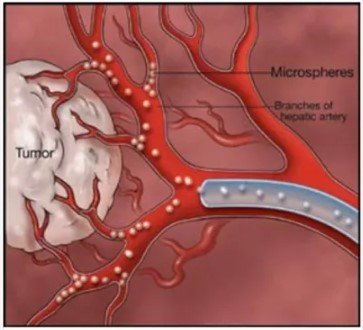
In embolization, the tumor’s blood supply is cut off, resulting in tumor death or shrinkage. Numerous methods can achieve this, such as obstructing blood vessels with microspheres (tiny beads or coils).

If you or a loved one has a liver condition, please visit cancer specialist Dr. Sandeep Nayak. Dr. Nayak frequently collaborates with his team of experienced oncologists to diagnose the condition’s specifics and determine the best course of treatment.

Conclusion

liver tumor diagnosis can be emotionally difficult for patients and their loved ones. However, the outcomes for individuals who receive therapy have significantly improved due to developments in medical science and technology.

Patients can conquer this challenge and emerge even stronger with the assistance of knowledgeable healthcare experts and a helpful network of family and friends. We can continue to be optimistic about managing liver tumors as medical professionals work to discover new therapies and cures for benign and malignant liver tumors.

If you seek a reliable treatment for your liver condition, please get in touch with Dr. Sandeep Nayak, often deemed the best oncologist in India. 

Together, we can fight against this ailment and improve life for those impacted.

Cancer Treatment – Laparoscopic VS Robotic Surgery

Cancer Treatment – Laparoscopic VS Robotic Surgery

Decades ago, open surgery was the standard of care, when a surgeon made an incision in the body of the patient and then performed a series of procedures to remove benign (non-cancerous) or malignant (cancerous) tumors. The process took too long and usually resulted in a high frequency of complications. However, minimally invasive techniques like laparoscopic and robotic surgery can now be used to conduct cancer surgery.

Minimally invasive surgery has become increasingly popular in the last two decades. These approaches involve introducing a camera through a keyhole (tiny) incision in order to reach any significant target organ or the cancer site.

These procedures are less uncomfortable and less likely to result in problems. 

The benefits are enormous when the incisions are small, explains Dr. Sandeep Nayak, a well-known surgical oncologist in India. 

In this article, we shall learn the similarities and differences between these two surgical methods.

cancer surgery

How are Laparoscopic and Robotic Surgeries similar?

There are several similarities between robotic surgery and laparoscopic surgery. The most significant similarities include the following:

  • Both techniques use smaller incisions than a traditional open surgery
  • Both procedures involve the use of tiny cameras to get a better view of the surgical area
  • The surgical instruments used in both these procedures are much smaller

However, robotic surgery has made technological strides that make these operations simpler for doctors to carry out and for the patients to recuperate from.

What are the differences between Laparoscopic and Robotic Surgery?

Laparoscopic and Robotic SurgeryThe two methods of surgery differ significantly from one another. The key areas of distinction are the instruments used and how they operate.


Laparoscopic Surgery 

Laparoscopic surgery involves performing surgery by making keyhole, minimally invasive incisions in the abdominal (tummy) wall. The procedure is carried out using a laparoscope, a hand-held tool that aids the laparoscopic surgeon in navigating the body.

The camera used in Laparoscopic surgery is 2-dimensional.

It is employed to treat a number of ailments, including but not restricted to ovarian cysts, hernias, and numerous cancers.

Laparoscopic Surgery – Advantages

  • lowers the potential for injury while performing the surgery
  • the pain and discomfort during the healing period are less
  • requires a shorter stay in the hospital
  • the need for anesthetic drugs is reduced
  • the risk of wound complications and infections is reduced
  • blood loss is less, and recovery is quicker
  • minimal discomfort and pain
  • enables patients to resume routine activities soon
  • the cosmetic results are better

Please get in touch with Dr. Sandeep Nayak if you want more information about Laparoscopic cancer surgery in India.

Robotic Surgery

What is the difference between Open, Laparoscopic and Robotic Surgery for cancer?| Dr. Sandeep Nayak

Robotic surgery, also referred to as robot-assisted surgery, allows medical professionals to perform a multitude of intricate and challenging treatments with greater precision, flexibility, and command than is feasible with traditional methods.

This technique allows the surgeon to operate the surgical instruments from outside the body of the patient with the help of a console and a 3-dimensional camera. It enables surgeons to see clearly within the body, allowing them to do surgery without endangering a patient’s vital health tissues or organs. 

Robotic surgery is an option for many challenging surgical operations, including prostate cancer surgery, liver transplantation, and heart bypass surgery. Robotic surgery helps with efficiency, precision, and command throughout a procedure. For patients, robotic surgery offers some benefits similar to those of laparoscopic surgery.

However, there are some clear advantages that you should take into account while selecting your course of treatment.

Robotic Surgery – Advantages

  • provides a greater range of motion
  • the 3-dimensional camera allows a better view of the operation site
  • causes minimal blood loss, and recovery is quicker
  • there is precision in the movements as surgeon tremor is eliminated
  • the instruments are intricate and can access areas that a surgeon’s hand cannot reach in traditional or laparoscopic surgery
  • reduced need for anesthetics during and after surgery

Dr. Sandeep Nayak adds that Robotic surgery typically results in less discomfort, reduced complications, and a speedier recovery period for the patient since it allows the surgeon a precise and clear perspective of the surgery site and improved dexterity.

With over 23 years of overall experience, Dr. Sandeep Nayak is among the preferred cancer specialists for people seeking Robotic Cancer Surgery in Bangalore, India.

Which is a better cancer treatment – Laparoscopic or Robotic surgery?

istockphoto

Which cancer surgery is best depends on several variables, including the health status of the patient, the surgeon’s preferences and surgical experience, the kind of cancer that needs treatment, time restraints, and available amenities and technology.

Laparoscopic surgery appeals to patients because it requires fewer incisions and causes less discomfort. On the other hand, robotic surgery additionally offers improved visualization and precision in the operating room with fewer difficulties.

Cancer specialist Dr. Sandeep Nayak adds that Robotic surgery is typically preferred when a surgeon must operate in a challenging, constrained area of the body. 

Furthermore, robotic surgery has a quicker recovery period and is a less invasive choice for patients who are uncomfortable with the thought of surgery. Although less invasive, laparoscopic surgery takes longer to complete.

If you are considering getting cancer treatment in Bangalore, please consult Dr. Sandeep Nayak to understand which treatment option is the most suitable for you.

Conclusion

conclusionCancer is a disease that can be agonizing and traumatic for the patient and their loved ones. It can be physically and emotionally draining. The treatment techniques can also cause a lot of discomfort and uncertainty.

However, with progress in medical science, treatment options are becoming more advanced with minimal side effects or discomfort. Laparoscopic and Robotic Surgery are both minimally invasive techniques that enable precise surgeries with the quickest recovery time, but there are a few significant variations between them.

It is significant to highlight that both of these procedures are generally very successful. So, do not be concerned about the surgical choice you or your doctors decide on.

Please do not delay the process if you or a loved one requires cancer treatment; start your treatment with the accomplished surgical oncologist Dr. Sandeep Nayak. He is a pioneer in the field of minimally invasive surgeries and has saved the lives of countless people with his surgical expertise.

FAQs

Q. Is robotic surgery the same as laparoscopic?

A. A two-dimensional camera is used to aid with manual laparoscopic surgery. Meanwhile, in robotic surgery, the surgeon must use a console and a three-dimensional camera to manipulate equipment from outside the patient’s body.

Q. what are the advantages of robotic surgery?

A. The ability to perform surgery through tiny incisions is one of its key benefits. Among the additional benefits of robotic surgery are: Greater accuracy: Compared to a human hand, the robotic arm’s actions are more precise. They also have a wider range of motion.

Robotic Cancer Surgery – A Revolutionary Approach

Robotic Cancer Surgery – A Revolutionary Approach

Being diagnosed with cancer really hits one hard. To fully grasp the situation is challenging for the patient and their family.

In such a situation, it becomes necessary to understand the severity of the condition and the best treatment options available before making a decision.

Surgery is an integral part of cancer treatment, which is constantly evolving, and the latest surgical approach that has revolutionized cancer treatment is robotic surgery. Robotic surgery aids surgeons in carrying out complex surgical procedures with unrivalled precision, increased flexibility, and better control than conventional surgery.

Robotic Cancer Surgery Dr. Sandeep Nayak, an acclaimed surgical oncologist in India, is a pioneer in laparoscopic and robotic surgery in the country. He has successfully treated thousands of patients with robotic cancer surgery in Bangalore, India.

He has been at the forefront of providing exceptional treatment options to his patients by researching and adopting the latest medical techniques and technology.

Dr. Sandeep Nayak is the Founder of MACS Clinic, an exclusive centre for minimally invasive cancer surgery, and Chairman – Oncology Services, Karnataka, India | Executive Director – Surgical Oncology and Robotic Surgery, KIMS Hospital, Bangalore

Read on to learn about robotic surgery, its benefits, and the types of cancer that can be treated by it.

Robotic surgery – A brief overview

Robotic surgery has completely changed the way surgery is performed. The conventional surgical approach is associated with large incisions, slow recovery, and delayed return to routine activities. Even laparoscopic surgery, a safe and effective treatment option for some cancers, has drawbacks, including instruments with limited motion, 2-dimensional images, and relying on a trained assistant to hold the camera.

In comparison, robotic cancer surgery provides the surgeon with high-definition, magnified 3-dimensional vision. The surgeon can access difficult-to-reach malignancies and work at angles that are impossible with open or laparoscopic instruments because of the high degree of freedom provided by the Endo-wristed devices.

A higher level of precision is possible because of motion scaling, which allows the surgeon to reduce the amount of instrument movement compared to finger movement. Furthermore, robotic techniques allow the surgeon to perform the radical operation while preserving critical structures and nerves due to better visualization and access to hard-to-reach places, thus providing patients with excellent outcomes and better quality of life.

Dr. Sandeep Nayak, one of the best oncologist in India, always discusses the advantages of minimal access surgery, including robotic surgery, with his patients, so that they can make an informed decision.

What are the benefits of robotic surgery?

  • Improved clinical outcome
  • Lesser pain
  • Reduced blood loss
  • Lower risk of postoperative complications
  • Shorter hospital stays
  • Less scarring
  • Quicker recovery
  • Better quality of life

Which cancers can be treated with robotic surgery?

Dr. Sandeep Nayak, an experienced surgical oncologist, provides robotic cancer surgery in Bangalore, India, for the following cancers:

Head and neck cancer

Dr. Sandeep Nayak uses advanced robotic surgical approaches such as TORS to address challenging head and neck cancers. It is specially used to treat tongue, throat, and tonsil cancer.

Transoral Robotic Surgery (TORS) is a minimally invasive robotic procedure that is done through mouth opening. No external incisions are necessary.

On the other hand, traditional open surgery necessitates extensive incisions across the throat and jaw, which frequently leave patients with noticeable scars, difficulties in breathing or swallowing, and a long recovery.

Colorectal cancer

Colorectal cancer surgeries are primarily complex and intricate, so robotic and laparoscopic surgical modalities are mostly preferred. Dr. Sandeep Nayak is an expert in robotic intersphincteric resection (ISR) for low rectal cancers, which helps preserve the anus and avoid permanent stomas in 90% of patients.

Thyroid Cancer TreatmentThyroid cancer

RABIT (Robotic-Assisted Breast Axillo Insufflate Thyroidectomy) is an alternative to open thyroid surgery. Dr. Sandeep Nayak, a leading surgical oncologist in India, developed this cutting-edge robot-assisted surgical technique for treating thyroid cancer. Till date, he has performed 500 plus surgeries using this method, which offers better clinical outcomes with fewer complications.


Gynecologic cancer

Gynecologic cancers


Robotic surgery is a well-established treatment option for several gynecological malignancies, including ovarian cancer, cervical cancer, fallopian tube cancer, and endometrial cancer.

Urologic cancer

Robotic surgery is a standard surgical technique for treating urologic tumors such as prostate, penile, bladder, and testicular cancer. One procedure that has benefitted the most with robotics is radical prostatectomies, which is 100% performed robotically by Dr. Sandeep Nayak.

Thoracic cancer

The surgeon uses minimally invasive, robotic surgery to treat mediastinal (middle chest) malignancies such as thymus, esophageal, and lung cancer, as it helps to treat hard-to-reach cancer while sparring the nerves and other organs.

How to choose the right surgeon?

If you are planning to undergo robotic cancer surgery, you should follow the necessary steps:

  • Be sure to choose the right surgeon with extensive experience performing the type of procedure you are looking for.
  • Ask in detail about the procedure and its side effects, as it will help you set realistic expectations.
  • If you have any concerns regarding the robotic procedure, talk it out with your surgeon. He will be the right person to clear your doubts and explain why this procedure is the best option for you.

Considering how quickly and frequently the most recent advancements in cancer surgery evolve, it is important to ensure you have all the knowledge you need to make the best choice possible.

Combining Cytoreductive Surgery With HIPEC Treatment

Combining Cytoreductive Surgery With HIPEC Treatment

Cytoreductive surgery with hyperthermic intraperitoneal chemotherapy (CRS-HIPEC) is a type of supra-major surgery to treat certain cancers of the appendix, colon, mesothelioma, ovary, pseudomyxoma peritonei, and rectum. These cancers can progress within the abdominal cavity, resulting in peritoneal metastases, wherein deposits of tumors develop in the inner layer of your abdomen (peritoneum), as well as on other organs and tissues.

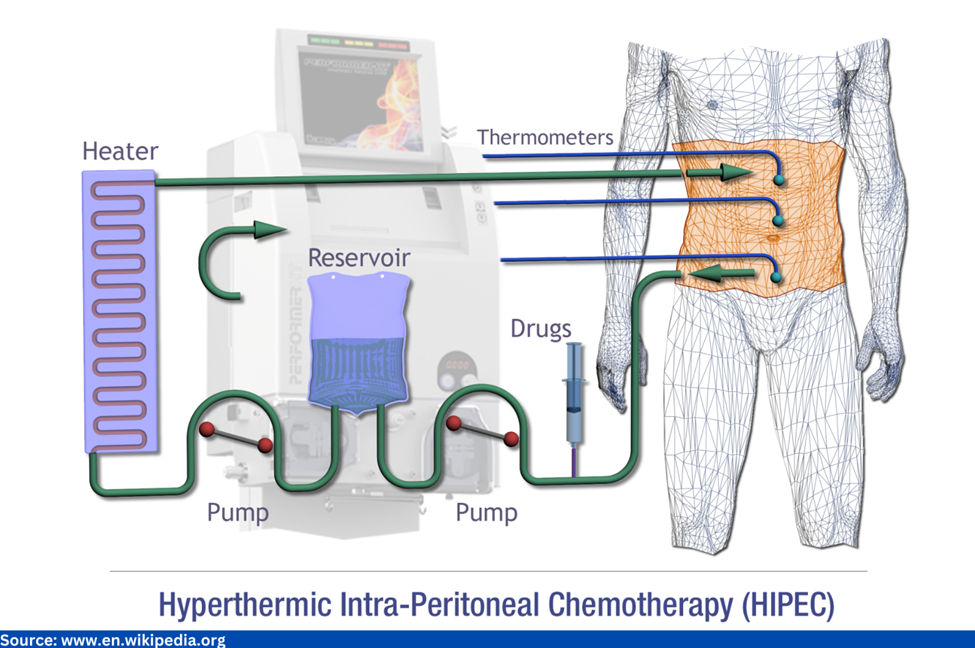
Hyperthermic intraperitoneal chemotherapy (HIPEC) is a specialized treatment used to treat certain types of cancer that have spread to the abdomen (peritoneum). Cytoreductive surgery (CRS) is an integral part of the HIPEC procedure. CRS is the surgical removal of as much cancerous tissue as possible from the abdominal cavity. CRS is followed by the delivery of chemotherapy directly to the abdominal cavity through a heated perfusion solution.

Renowned surgical oncologist in India, Dr. Sandeep Nayak, explains, “The goal of CRS is to reduce the size and number of cancerous tumors in the abdominal cavity as much as possible. This helps to increase the effectiveness of the chemotherapy solution, as it can reach and target more cancer cells.”

Dr. Sandeep Nayak is among the preferred cancer surgeons for people seeking HIPEC treatment in Bangalore. 

Procedure of Cytoreductive surgery with HIPEC

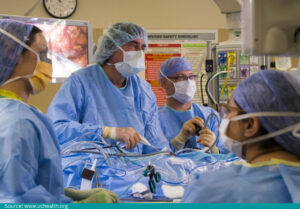
Cytoreductive surgery and HIPEC procedures are typically performed by a team of highly experienced surgeons, anesthesiologists, and other medical professionals in an operating room. It usually takes several hours to complete and is typically performed as part of an extensive procedure to remove cancerous tissue.

Procedure of Cytoreductive surgery with HIPEC

Here is an overview of the steps involved in Cytoreductive surgery and hyperthermic intraperitoneal chemotherapy treatment:

  • Anesthesia: The patient is given general anesthesia to put them to sleep and prevent any pain during the surgery.
  • Cytoreductive surgery: CRS is the process that involves the surgical removal of cancerous tissue. The surgeon will make an incision in the abdomen and remove as much cancerous tissue as possible. This may include the removal of organs or other tissue, depending on the location and extent of the cancer. 
  • Insertion of a heated perfusion system: A heated perfusion system is inserted into the abdominal cavity through a small incision. This system circulates a heated chemotherapy solution throughout the abdominal cavity.
  • Administration of chemotherapy: The chemotherapy solution is perfused through the abdominal cavity for a specific period, usually around 90 minutes. The heat helps to increase the effectiveness of the chemotherapy.
  • Closure of the incision: Once the chemotherapy has been administered, the incision is closed, and the patient is taken to the recovery room to awaken from the anesthesia.

HIPEC is a complex and highly specialized procedure and is not available at all cancer centers.

‌Dr. Sandeep Nayak says, “HIPEC is typically reserved for patients with advanced-stage cancer that has spread to the peritoneum. It is usually used in combination with other cancer treatments, such as chemotherapy or radiation therapy.” 

When Is CRS-HIPEC Used?

Cancer specialist ‌Dr. Sandeep Nayak may employ HIPEC and Cytoreductive surgery to treat advanced-stage cancer that has spread to the peritoneum, a thin layer of tissue that lines the abdominal cavity and surrounds the abdominal organs. This type of cancer is known as peritoneal carcinomatosis.

  1. Peritoneal carcinomatosis can occur in various types of cancer, such as:
  2. Appendiceal cancer: Cancer that arises when the cells that make up your appendix divide and multiply uncontrollably.
  3. Colorectal cancer: Cancer that develops in the cells between your colon (large intestine) and rectum (anus).
  4. Gastric or stomach cancer: A relatively rare type of cancer that develops in the stomach lining.
  5. Mesothelioma: A rare and aggressive cancer that develops in the lining of the abdomen (peritoneal), lungs (pleural), or heart (pericardial). It is caused due to exposure to asbestos, a fibrous mineral once widely used in building materials, insulation, and other products.
  6. Ovarian cancer: Cancer that occurs in the ovaries
  7. Psuedo-myxoma peritonei: Cancer that occurs in the cells lining the inside of your belly and produces jelly-like material.

According to oncology expert Dr. Sandeep Nayak, “Complex judgments must be made when treating peritoneal disease patients. We believe that in order to help patients get the best results, every one of these individuals should be screened at a specialized facility with a highly-skilled and focused team.”

Cytoreductive surgery with HIPEC – Success rate

  • The median overall survival for patients with colorectal peritoneal metastases receiving chemotherapy alone ranges between 8 – 15 months, but for those receiving CRS-HIPEC, the median survival is between 22 – 47 months, with a 5-year survival rate of 27% to 54%.
  • CRS-HIPEC has significantly increased 5-year survival in patients treated for appendix peritoneal metastases and mesothelioma from less than 10% – 50% to 90% and is now the norm for these types of tumors.
  • Studies conducted on 1051 patients treated for ovarian cancer with CRS-HIPEC indicated a median survival of 73 months. 
  • Additionally, a couple of phase 3 randomized clinical trials examining CRS-HIPEC in recurring and primary grade III ovarian cancer showed that HIPEC produced a 2-fold overall survival rate and overall survival benefit of 11 months, respectively.

Recovery

An Oncologist in India, Dr. Sandeep Nayak says, “The ability to recover following CRS-HIPEC treatment relies on the severity of your cancer and the scope of the procedure. The length of surgery might range from 5-12 hours, with a subsequent 10- to 14-day hospital stay. Usually, recovery takes 2-3 months.”

You may experience the following side effects during your recovery period:

  • Bloating
  • Problems with bowel movements – constipation/diarrhea
  • Trouble sleeping
  • Weight loss
  • Nausea
  • Tiredness

Conclusion

An Oncologist in India, Dr. Sandeep Nayak says, “The ability to recover following CRS-HIPEC treatment relies on the severity of your cancer and the scope of the procedure. The length of surgery might range from 5-12 hours, with a subsequent 10- to 14-day hospital stay. Usually, recovery takes 2-3 months.”

You may experience the following side effects during your recovery period:

  • Bloating
  • Problems with bowel movements – constipation/diarrhea
  • Trouble sleeping
  • Weight loss
  • Nausea
  • Tiredness

FAQ

What is removed in Cytoreductive surgery?

CRS involves the removal of visible malignant tumors from the abdominal cavity. The next step is HIPEC, where the cavity is drenched in hot chemotherapy heated to 42 °C to eliminate any tiny cancer cells that may still be present.

How is HIPEC different from traditional chemotherapy?

Traditional chemotherapy is administered intravenously to target cancer cells. Unfortunately, peritoneal carcinomatosis frequently has a low or restricted blood supply, making it more challenging for intravenous chemotherapy to destroy these tumors. 

Thanks to HIPEC, chemotherapy medications are able to interact directly with microscopic cells that remain in the peritoneal cavity.

Useful Tips For Early Detection of Breast Cancer

Useful Tips For Early Detection of Breast Cancer

In India, breast cancer is the most common cancer among women, with one woman getting diagnosed every 4 minutes and one dying of it every 8 minutes. The statistics are scary.

The good news is breast cancer can be cured if diagnosed and treated early. The 5-year survival rate for treatment in an early stage is 99%. That’s the main reason Dr. Sandeep Nayak, a world-acclaimed surgical oncologist in Bangalore, stresses the need for breast cancer awareness among people.

He is the Chairman – Oncology Services, Karnataka, India, and Executive Director – Surgical Oncology and Robotic Surgery, KIMS Hospital, Bangalore. He is considered a leading oncologist for breast cancer treatment in Bangalore, India, for his vast experience, astute diagnosis, and exceptional surgical skills.

He firmly believes that women must get screened regularly for early detection, which is the key to successfully treating cancer. Further, they must carry out self-examination at home every month. It’s high time women stop ignoring their health.

Dr. Sandeep Nayak offers advice on identifying breast cancer in its earliest stages.Continue reading to learn more about the early warning signs of breast cancer and how to protect your health by following the tips.

What are the signs and symptoms of breast cancer?

What are the signs and symptoms of breast cancer

While doing a self-exam at home, you should look out for the following signs:

  • Lumps
  • Change in skin texture, like extremely dry, scaly, or sunburned
  • Nipple discharge
  • Swelling and redness around the breasts
  • Dimpling of skin
  • Inverting of nipples
  • Crusting or rashes around the areola and nipples
  • Lymph node changes

Now that you know the initial symptoms of breast cancer let’s move forward to understand how to detect breast cancer early on.

Perform regular self-exam

Perform regular self-exam

Dr. Sandeep Nayak, one of the best cancer specialist in Bangalore, strongly advises women to perform monthly self-exams and check for any changes in the breast. Doing it regularly will make them more attentive to any potential warning signs.

Steps for breast self-examination:

  • Stand before a mirror and look at your breasts. Pay close attention to any potential skin texture anomalies, such as dimpling, creases, or other irregularities.
  • Then look for any changes in the texture of your skin or any discharge as you raise your arms above your head.
  • Further, check for any evident lumps with a firm, smooth touch while resting on your back or in the shower. Don’t forget to pay attention to the area under your arms.

If you notice a change or lump in the breast which wasn’t present earlier, please get it examined by a doctor as soon as possible. It may just be a benign cyst or lump, but it is always better to be cautious.

Being aware of your risks and family medical history

Knowing your family’s medical history is crucial for determining your breast cancer risk. Family history includes first-degree relatives, your parents and siblings, and second-degree relatives, your aunts and cousins.

A woman’s risk significantly increases if her family has a history of the disease.According to some research, your risk doubles if your parents or siblings have breast cancer.

Remember to discuss your family history of breast cancer with your doctor, so they know the possibility of hereditary concerns. Accordingly, they may advise you about regular screening and a healthy lifestyle.

Go for regular check-ups.

Women should visit their doctor for an annual health check-up, which usually includes a breast exam, routine pelvic exam, and pap test. 

During the examination,make it a point to discuss your health issues, family history, and healthcare options with your doctor. However, immediately consult your doctor without waiting for your annual check-up if you notice a lump or other breast cancer-related signs.

When to start getting a mammogram

For early breast cancer detection, mammograms are essential. This non-invasive techniquecan identify cancer three years before you feel a lump. Your age and medical history will determine how often you should have a mammogram.

Dr. Sandeep Nayak, a prominent oncologist for breast cancer treatment in Bangalore, recommends that women above 40 should get a mammogram done every two years. 

However, if you are below 40 and have a family history of breast cancer, talk to your doctor about it. He will plan your screening schedule depending on your risk factor.

Consultation with the doctor after screening

If your mammogram results show up some abnormalities, your doctor may suggest added tests, such as:

  • Ultrasound
  • MRI
  • Biopsy 

Please do not panic about the abnormal mammogram result as it may be due to a benign tumor or cyst, which are quite common.

And if breast cancer is detected, then be assured that many treatment options are available. Women have a better chance of overcoming breast cancer with early detection, diagnosis, and treatment. Dr. Sandeep Nayak, a leading oncologist in Bangalore, says that India is at the forefront of advanced cancer treatments. We have the latest medical technology and expertise that is on par with the best medical centres in the world. 

He has successfully treated thousands of breast cancer patients with advanced surgical modalities, including laparoscopic, robotic, and endoscopic surgeries. These minimally invasive surgeries offer unparallel surgical precision, less trauma, quicker recovery, minimum complication, and faster return to a normal lifestyle.

Call Now Button